
Introduction
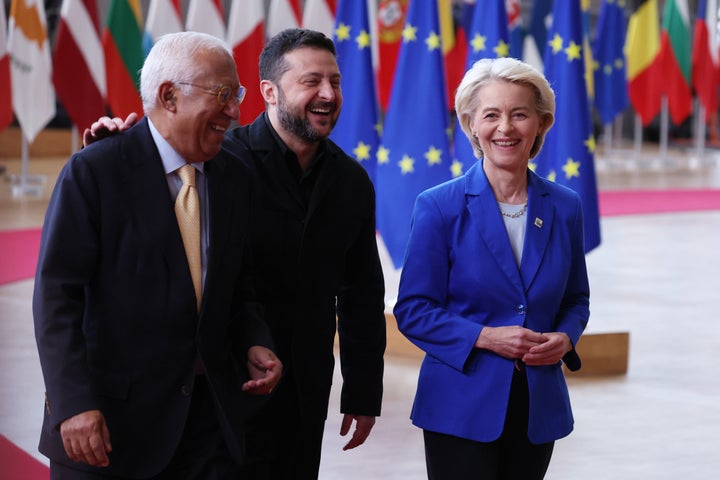
Ukrainian President Volodymyr Zelensky has sharply criticized former President Donald Trump's decision to waive sweeping sanctions against Russia, warning the move could embolden further aggression at a critical moment.
What Happened
Trump's administration moved to lift tariffs and sanctions on Russian energy exports days before they were set to take effect under the Lindsey Graham Act, legislation designed to increase economic pressure on Moscow. The waiver followed a separate decision to allow 300,000 tons of Russian diesel to enter U.S. and global markets, a step taken amid concerns over rising fuel costs.
The proposed sanctions would have imposed tariffs of up to 100 percent on imports from the five largest purchasers of Russian fuel, aiming to tighten the economic noose on Russia's war effort in Ukraine.
Why This Matters
Zelensky argued that easing pressure on Russia plays directly into the hands of the Kremlin, especially as Ukraine's energy infrastructure faces intensified attacks. Satellite reports indicate Russia launched over 320 attack drones against Ukraine's power grid in a single 12-hour period, prompting fears of widespread blackouts ahead of winter.
Critics warn that financial relief for Putin removes a key deterrent and may encourage continued military escalation, while also complicating U.S. efforts to maintain leverage in ongoing peace negotiations.
Key Takeaways
- The Lindsey Graham-backed sanctions package was intended to raise tariffs on Russian fuel imports by as much as 100 percent.
- Trump's executive order waived those sanctions, citing national interest, just days before they were set to activate.
- Separately, the administration authorized the sale of 300,000 tons of Russian diesel to U.S. markets.
- Zelensky warned that removing pressure on Russia could embolden further attacks on Ukraine's energy sector.
- Rising global fuel costs, driven in part by Middle East tensions, added political pressure on the administration to act.
Conclusion
Zelensky's statement underscores the high stakes of sanctions policy as a tool of war and diplomacy. His appeal to maintain pressure reflects broader concerns that any easing of restrictions may alter the conflict's trajectory. As the situation develops, the balance between domestic affordability and sustained international pressure remains a central point of debate.






Discussion
Join the conversation
Thoughtful reactions, questions, and follow-up ideas help shape the next story.