Introduction
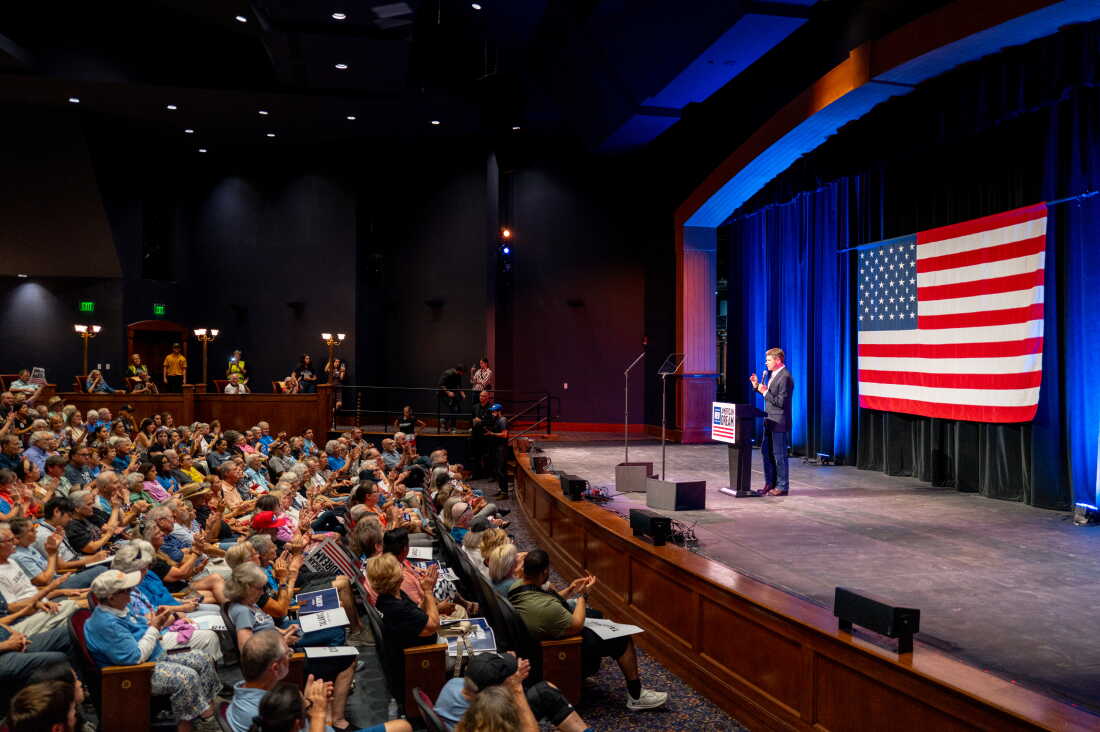
The 2026 midterm general election season has begun, with Labor Day serving as the traditional unofficial kickoff. As candidates shift into high gear, the battle for Congress intensifies against a backdrop of shifting voter priorities and record-breaking fundraising.
What Happened
With Republicans holding narrow majorities in the House and Senate, the party in power typically loses ground during midterms. Two months out from Election Day, primary results and public opinion polling paint a competitive landscape where Democrats could regain control of both chambers, especially in traditionally conservative communities. Voters are expressing concern over major Trump administration priorities, including immigration, tariffs, gas prices, and the overall affordability of American life. In Pennsylvania and other swing states, voters say the former president has fallen short on his promise to lower prices, while his approval ratings have sunk to record lows. Meanwhile, Democrats have rebounded after stinging losses across the ballot in 2024, energizing their base and attracting independents disillusioned with the status quo. States have also engaged in mid-decade redistricting to maximize safe seats, but polling averages suggest the most likely outcome is Democratic control of the House.
Why This Matters
The stakes of the 2026 midterms extend far beyond Capitol Hill. Control of the Senate and House will shape the legislative agenda on everything from economic policy to foreign policy challenges, including the war in Iran and immigration reform. With both parties pouring resources into competitive races, the outcome will influence judicial appointments, oversight investigations, and the direction of key federal initiatives. Voters' concerns about pocketbook issues like gas prices and affordability are driving the narrative, making this cycle particularly consequential for everyday Americans.
Key Takeaways
- Fundraising dynamics: Democratic candidates are outraising opponents in key contests, while Republican party committees and MAGA, Inc. super PAC have hundreds of millions more in reserve. A recent $10 million ad buy aims to boost Texas Senate nominee Ken Paxton.
- Political map shift: What began as a Republican-friendly Senate map is now competitive, with battleground contests now running through Iowa, Texas, Ohio, and Alaska.
- Messaging focus: Both parties are refining their pitches, with Democrats emphasizing acknowledgment of party flaws and Republicans rallying their base through high-profile conventions and Trump administration endorsements.
- Third-party impact: Independent candidates could prove decisive in tight races, potentially swaying outcomes in states where voters are dissatisfied with both major party options.
Conclusion
As the 2026 midterm campaign season accelerates, two main factors—money and messaging—will likely determine the final landscape. With control of Congress hanging in the balance, voters should watch fundraising totals, ad spending sprees, and how candidates pivot on pocketbook issues. The coming weeks will reveal whether the historical midterm headwinds favor the opposition or whether the current political environment defies expectations.



Discussion
Join the conversation
Thoughtful reactions, questions, and follow-up ideas help shape the next story.