Introduction
Twenty-five years after the attacks that reshaped a nation, the legacy of September 11 2001 continues to unfold in ways Osama bin Laden likely never anticipated. What began as a coordinated assault on American soil has become a quarter-century of endless war, fiscal collapse, and democratic erosion, much of it self-inflicted.
What Happened
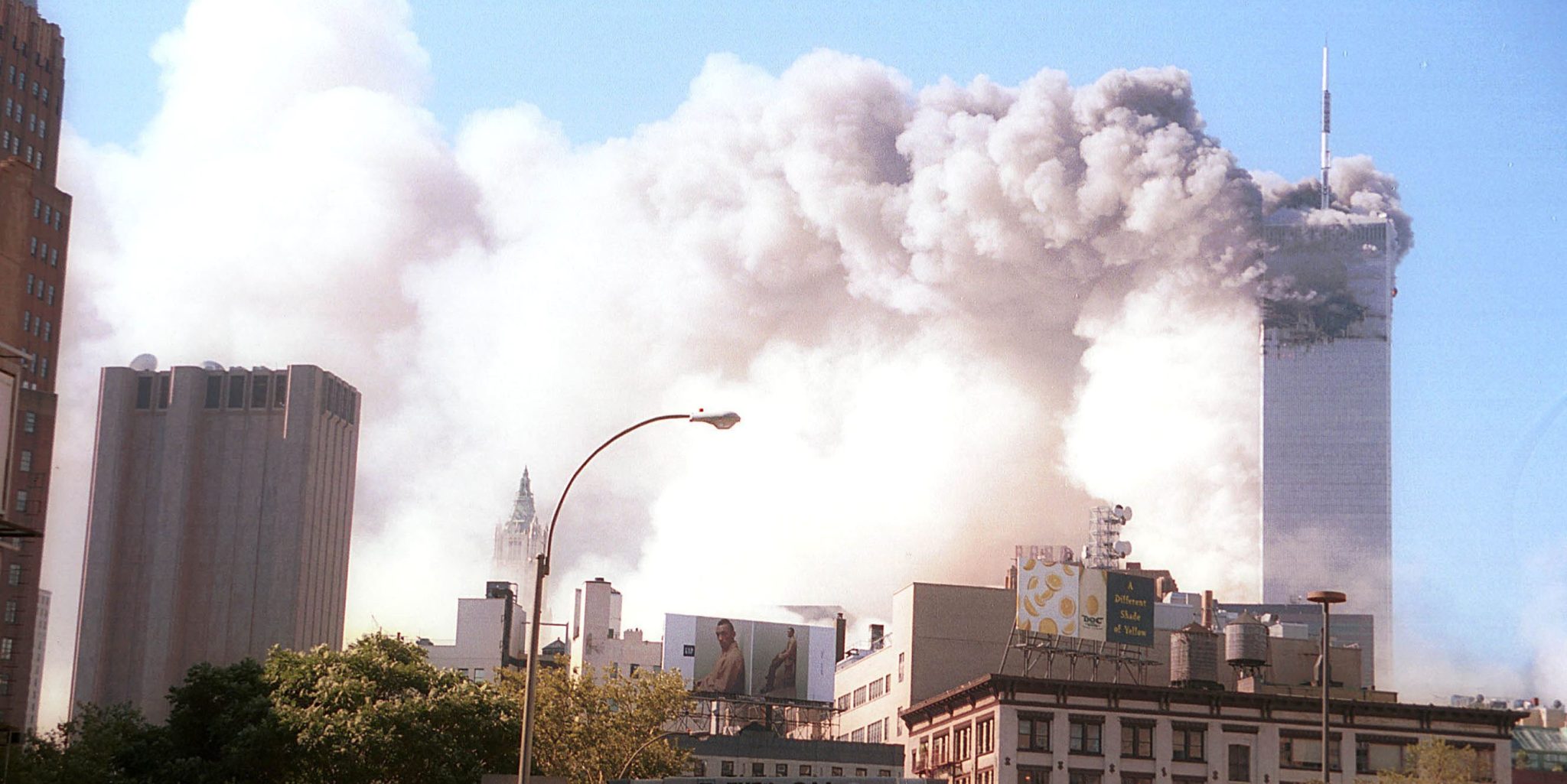
The hijackings of four commercial airplanes, two flown into the World Trade Center towers, one into the Pentagon, and the fourth crashing in Pennsylvania, claimed nearly 3000 lives and instantly altered the American psyche. Bin Laden's stated goal was to bleed America to the point of bankruptcy, forcing the United States into a series of open-ended military campaigns across the Middle East and beyond. Over the following two decades, the U.S. engaged in combat operations in Afghanistan, Iraq, Syria, and Yemen and numerous other nations, committing trillions in spending and sowing instability that reverberates to this day.
Why This Matters
The consequences of that initial trauma extend far beyond the immediate death toll. Post-9/11 wars have exacted a human and financial toll estimated in the millions of lives and tens of trillions of dollars in long-term obligations. At home, the Patriot Act expanded surveillance and the normalization of emergency powers have reshaped civil liberties. Meanwhile, the political fallout has paved the way for leaders who exploited the post-attack climate to consolidate power undermine institutional checks and challenge the very foundations of democratic governance.
Key Takeaways
- The 9/11 attacks triggered a global forever war framework that persists decades later.
- U.S. post-9/11 military and security spending has contributed to a national debt surge from 5.8 trillion to over 40 trillion.
- Thousands of first responders and survivors have died or been diagnosed with 9/11-linked illnesses, with tens of thousands more affected.
- The post-attack era enabled the rise of authoritarian-leaning politics, culminating in the events of January 6 and ongoing democratic backsliding.
- Bin Laden's strategy of drawing the U.S. into costly unwinnable conflicts has been amplified by subsequent administrations achieving his goal of strategic exhaustion without direct confrontation.
Conclusion
As the nation marks a quarter-century since that clear September morning the question looms large: have the remedies proved worse than the original attack? The data suggests the answer is yes economic strain eroded norms and ongoing human cost indicate that the true victory belongs to the strategy of exhaustion executed not only by bin Laden but by the cumulative choices of those who followed. Remembering the day must also mean reckoning with the choices that followed and whether a nation can ever truly recover from a wound it keeps reopening.



Discussion
Join the conversation
Thoughtful reactions, questions, and follow-up ideas help shape the next story.