Introduction
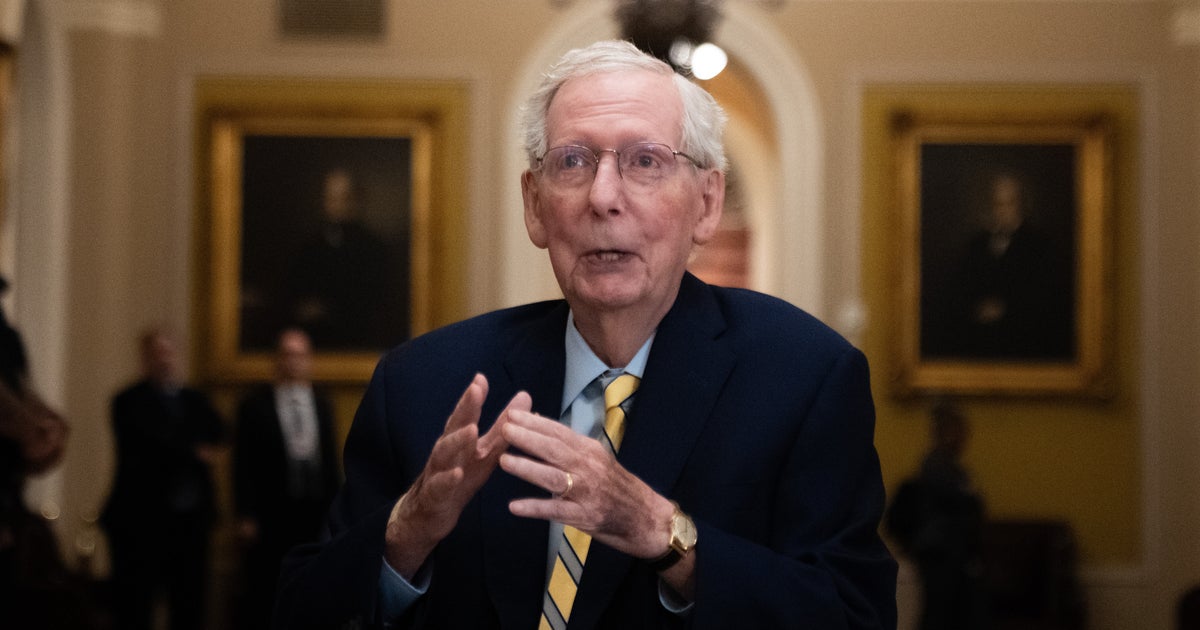
After months away from the chamber, Senator Mitch McConnell has returned to the Senate floor, marking his first appearance since a June hospitalization that sparked intense public scrutiny. The Kentucky Republican's comeback comes as he faces questions about his health, his future in leadership, and the broader implications for a Senate increasingly focused on the age and capacity of its members.
What Happened
McConnell was hospitalized on June 14 after falling at his home, sustaining injuries that kept him away from the Senate for three months. He later revealed he had been briefly unconscious and also treated for mild pneumonia during his stay. The 84-year-old senator attributed his slow recovery to the lingering effects of childhood polio, which has long affected his mobility and balance. His statement acknowledged a long and often frustrating rehabilitation process, and he told Senate Republican Leader John Thune that he would do his best to attend critical votes while continuing physical therapy.
Why This Matters
McConnell's absence highlighted growing public concern about the age and health of elected officials, particularly among the oldest members of the Senate. Kentucky's Democratic Governor Andy Beshear publicly urged transparency, calling on the senator to provide regular updates on his condition. His months-long gap also impacted legislative momentum, leaving Republicans without a key vote during efforts to advance a farm bill and other priority measures. His return could prove decisive on upcoming votes, including cryptocurrency regulation and college sports reform.
Key Takeaways
- Retirement: McConnell is retiring at the end of January after more than four decades in the Senate.
- Successors: Republicans have nominated Representative Andy Barr to succeed him; Democrats have chosen former state legislator Charles Booker.
- Health history: His medical record includes childhood polio, multiple falls in recent years, and a visibly declining physical profile that has drawn public attention.
- Physician's assessment: A congressional physician's office confirmed he suffered no fractures, stroke, tumor, or hemorrhage during his recent hospitalization.
- Commitment: Despite his health challenges, McConnell has said he is determined to finish out his current term.
Conclusion
McConnell's return to the Senate floor signals the final chapter of a decades-long career and reignites discussion about age, health, and leadership in American politics. As he finishes his term, his colleagues and the public will be watching how he balances his health goals with the demands of Senate service.


Discussion
Join the conversation
Thoughtful reactions, questions, and follow-up ideas help shape the next story.