Introduction
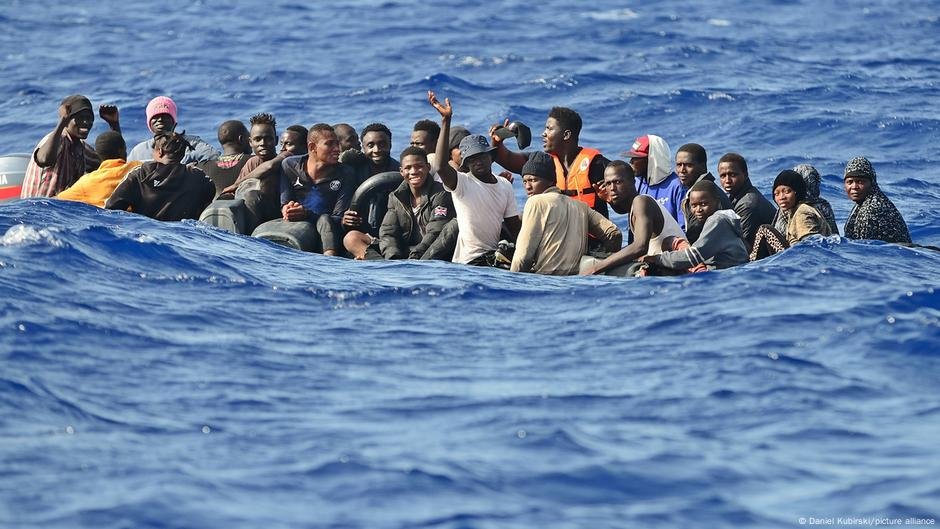
New data from the International Organization for Migration shows a sharp 59% drop in sea-based migrant arrivals to Europe from four West African nations during the first half of 2026. The decline comes amid persistent migration pressures and raises important questions about where displaced travelers are now turning.
What Happened
Between January and June 2026, just 4,566 migrants from Mali, Senegal, Guinea, and The Gambia reached Europe via major maritime routes, compared with an estimated 11,137 during the same period in 2025. The International Organization for Migration attributed the shift to tighter border controls and changing migration dynamics, even as overall movement pressures persist.
The West African Atlantic Route remained the dominant corridor, accounting for 83% of arrivals. Meanwhile, the share of West African nationals on the Western Mediterranean Route climbed from 15.6% to 21.9%, and on the Central Mediterranean Route from 8.6% to 10.5%, indicating a redistribution of migration flows.
Why This Matters
IOM Director General Amy Pope warned that declining arrivals in one area often signal a shift to potentially more dangerous pathways. The Atlantic route, despite seeing fewer crossings, continues to record high rates of deaths and disappearances. The data also shows that migration pressures have not eased; they have simply redirected.
Broader policy shifts further complicate the picture. The United Kingdom has introduced stricter skilled worker visa requirements, ended new care worker visas, and reduced graduate visa durations. In the United States, over 35,000 work permit applications were denied between April and June 2026. These changes affect Nigerians and other West Africans seeking legal migration pathways.
Key Takeaways
- Sea migrant arrivals from Mali, Senegal, Guinea, and The Gambia fell 59% in the first half of 2026 compared to the same period in 2025.
- Just 4,566 individuals from the four countries reached Europe via major maritime routes during the six-month window.
- West African migrants now represent a growing share of arrivals on the Western and Central Mediterranean routes.
- The Atlantic migration route remains deadly, with recorded deaths and disappearances remaining high despite fewer crossings.
- Stricter immigration policies in the UK and US are reshaping legal migration options for African nationals.
Conclusion
The significant drop in recorded sea arrivals does not mean migration pressure has vanished. Instead, it signals a complex redistribution of routes and a heightened need for comprehensive migration governance. As policies tighten and pathways shift, the importance of safe, legal migration routes and international cooperation becomes ever more critical.








Discussion
Join the conversation
Thoughtful reactions, questions, and follow-up ideas help shape the next story.