Introduction
I set out to find a graphics card with 24 GB of VRAM for a local AI setup, hoping an AI-powered shopping assistant could save time. What followed was a series of reminders about the limits of automated recommendations when real-world availability is on the line.
What Happened
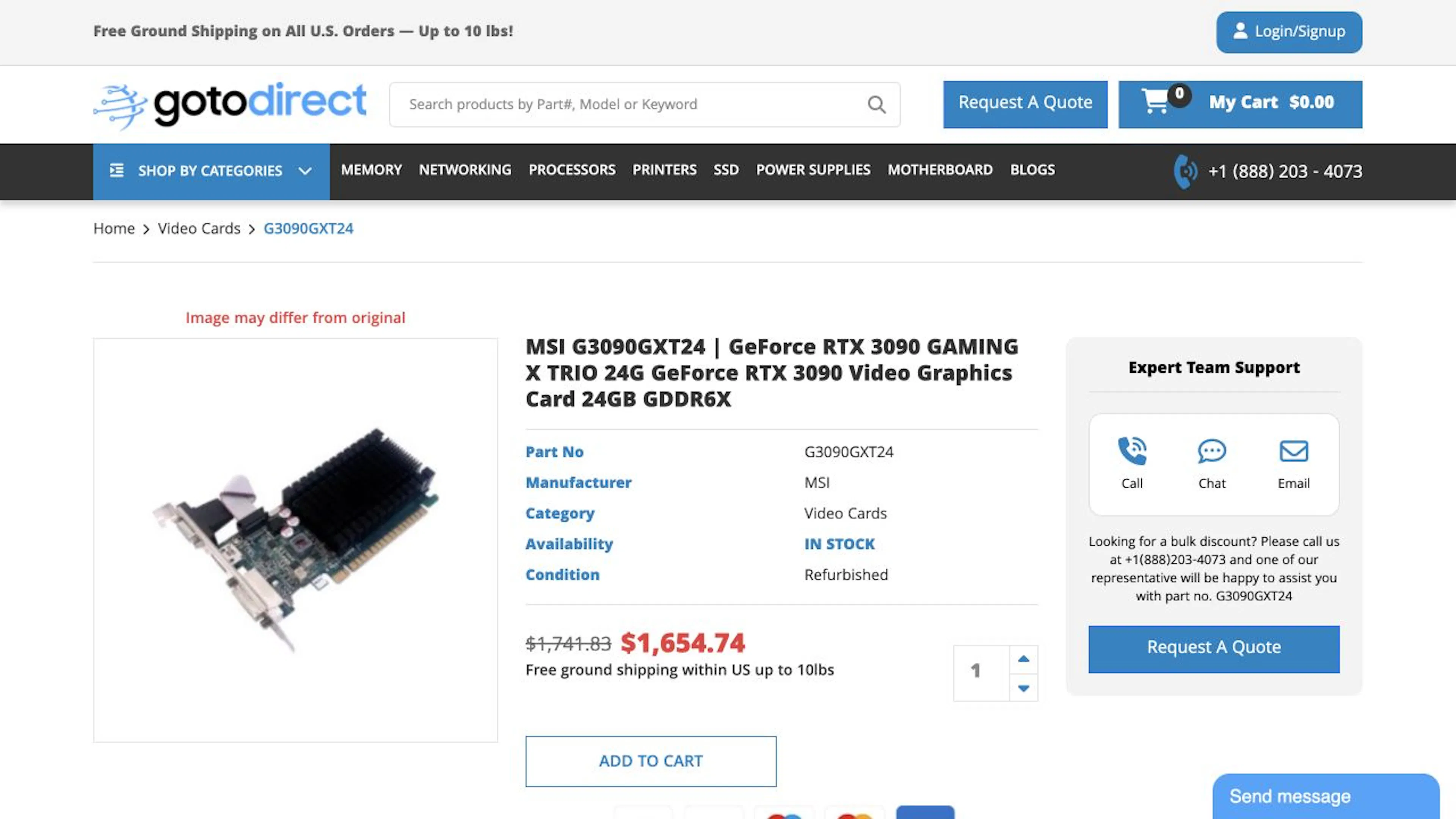
I first asked a large language model for the best GPU for local AI and received a confident top-five list that quickly fell apart—cards were sold out, prices didn't match, and no two listings were alike. Switching to a structured web-search approach, I moved from vague suggestions to actual retailer pages, checking exact models, prices, and stock status myself.
Why This Matters
AI-generated shopping lists can look convincing but often miss the reality of availability, pricing, and condition. For anyone spending four figures on a GPU, relying on snippets instead of verified product data risks costly mistakes. Direct retailer checks, part numbers, and stock confirmations are the only way to turn a search into a real purchase.
Key Takeaways
- AI search is a useful starting point but fails on real-world availability and pricing details.
- Part numbers and exact model identifiers bridge the gap between a search result and a verifiable product page.
- Always confirm price, currency, stock status, and condition on the retailer's own page before committing.
- Refurbished GPUs need extra scrutiny: images may not match the actual unit, and warranty terms vary.
- Direct verification beats confident AI lists every time when you're ready to buy.
Conclusion
If you're shopping for a GPU for local AI or any high-spec hardware, don't rely on AI summaries alone. Use part numbers, visit retailer pages, and verify every field before checkout. The right tool combined with human verification is what actually works.






Discussion
Join the conversation
Thoughtful reactions, questions, and follow-up ideas help shape the next story.