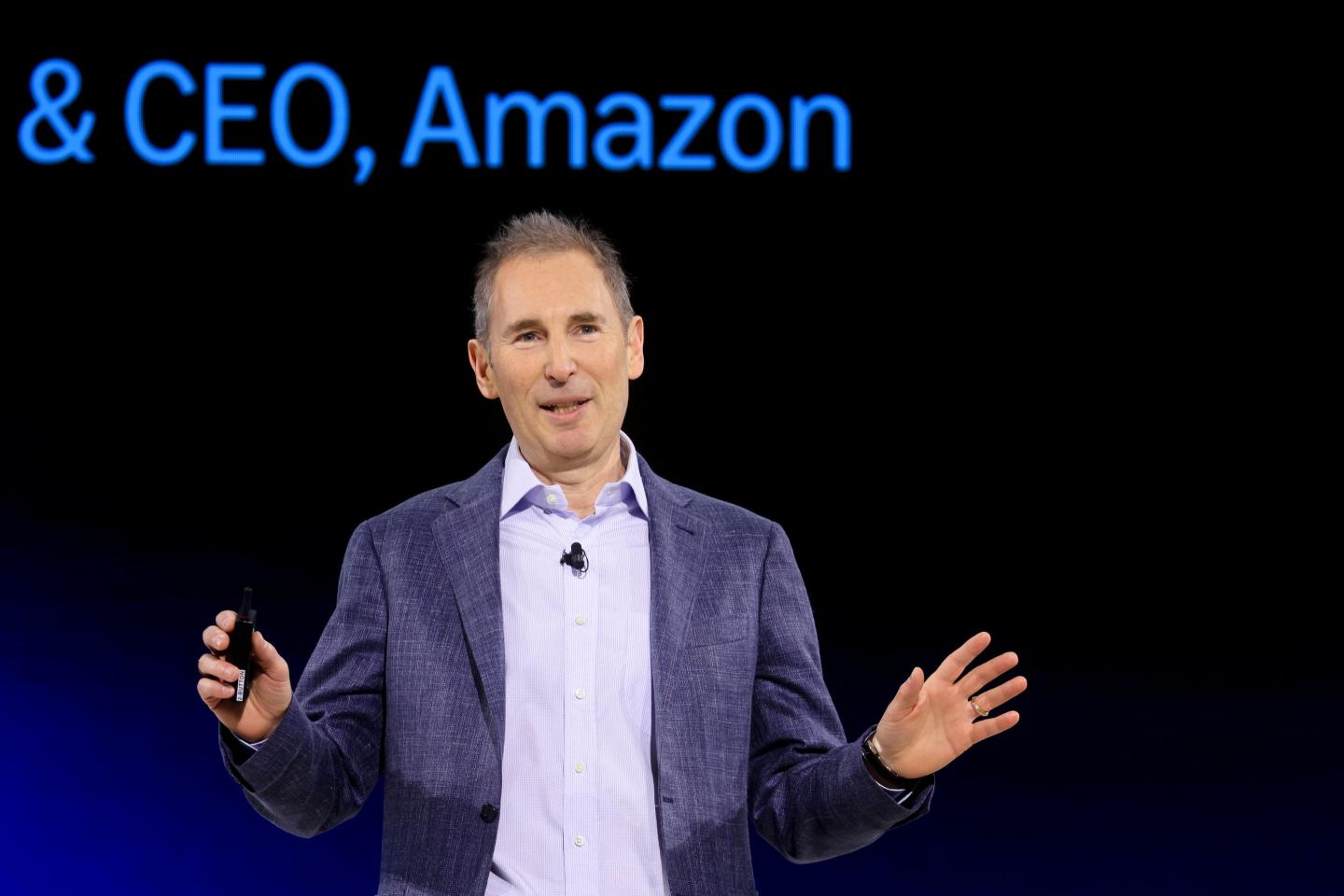
Amazon's latest earnings report shows a mixed picture, with cloud growth powered by AI demand clashing against massive infrastructure spending and softer ad revenue, prompting a sharp market reaction.
What Happened
Amazon reported Q3 revenue of $201.9 billion, slightly missing estimates, while profit fell to $20.7 billion, down from a year earlier. The company attributed the profit decline to a one-time gain from its AI investment in Anthropic a year prior. Amazon Web Services grew 39.3% to $45.98 billion, topping forecasts, but the broader business showed strain. The company also guided toward $220 billion in 2026 capital expenditures, largely directed at AI data centers.
Why This Matters
The results highlight the precarious balance hyperscalers maintain as AI compute demands surge. Free cash flow swung to negative $42.4 billion over the past year, and advertising revenue grew just 12%, missing forecasts. With 2026 capex guided at roughly $220 billion—mostly for AI data centers—Amazon joins peers in a high-stakes spending race that could shape sector profitability for years.
Key Takeaways
- AWS growth accelerated to 39.3% year-over-year, driven by AI-related demand, but overall revenue missed estimates.
- Amazon plans $220 billion in 2026 capital expenditures, the majority earmarked for AI data center expansion.
- Free cash flow turned deeply negative, falling from a positive $14.8 billion to negative $42.4 billion in twelve months.
- Advertising revenue rose only 12% year-over-year, falling below analyst projections.
- The company hired 300,000 seasonal workers for the holiday quarter while cutting 250 roles in its devices and services division.
- Anthropic's IPO filing reveals a commitment of at least $110 billion in Amazon cloud spending through 2036, with Amazon having invested about $18 billion and pledging up to $15 billion more.
Conclusion
As Amazon enters its holiday selling season with a massive workforce expansion, the market will be watching whether AI-driven cloud expansion can offset the heavy cost burden. The next few quarters will test whether the company's aggressive infrastructure push translates into sustained competitive advantage or continued market skepticism.




Discussion
Join the conversation
Thoughtful reactions, questions, and follow-up ideas help shape the next story.