Introduction
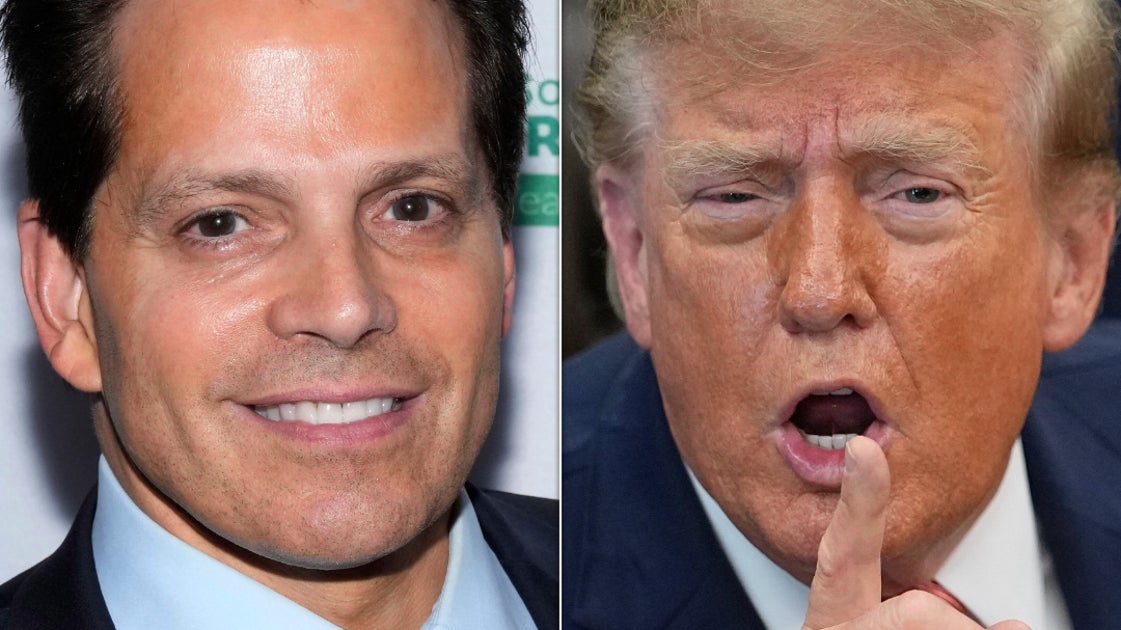
Former White House communications director Anthony Scaramucci has sparked debate by asserting that President Donald Trump consistently advances the interests of Russian leader Vladimir Putin. Speaking on a podcast, Scaramucci outlined a pattern of policy decisions that, in his view, mirror Putins strategic objectives.
What Happened
Scaramucci highlighted multiple actions from the Trump administration that he believes serve Putins agenda. These include the erosion of NATO alliances, the pursuit of U.S. control over Greenland, and the withdrawal from the Intermediate Nuclear Forces Treaty. He also cited the removal of American troops from Western Europe and Russias intelligence sharing with Iran, along with satellite coordination that provides targeting data to adversarial forces.
Scaramucci emphasized that the pattern extends beyond coincidence, noting that Trumps behavior would be uncharacteristic of any previous modern president.
Why This Matters
If a sitting president repeatedly advances a foreign adversarys objectives, the consequences for national security and transatlantic alliances can be significant. Scaramuccis remarks reignite debate over foreign influence, the durability of NATO, and the long-term impact on U.S. global positioning. The comments also fuel ongoing discourse about diplomatic independence and executive accountability.
Key Takeaways
- Scaramucci argues that Trumps policy record aligns with Putins strategic goals.
- Key examples cited include NATO erosion, Greenland ambitions, and the INF Treaty withdrawal.
- Russias intelligence sharing with Iran and satellite coordination are highlighted as direct threats to U.S. service members.
- The former communications official concludes that Trump is compromised by Putins influence.
Conclusion
Whether interpreted as sharp political analysis or a serious security warning, Scaramuccis statements force a reevaluation of how executive actions intersect with foreign adversary interests. The discussion underscores the importance of scrutinizing policy outcomes through the lens of national defense and diplomatic integrity.



Discussion
Join the conversation
Thoughtful reactions, questions, and follow-up ideas help shape the next story.