Introduction
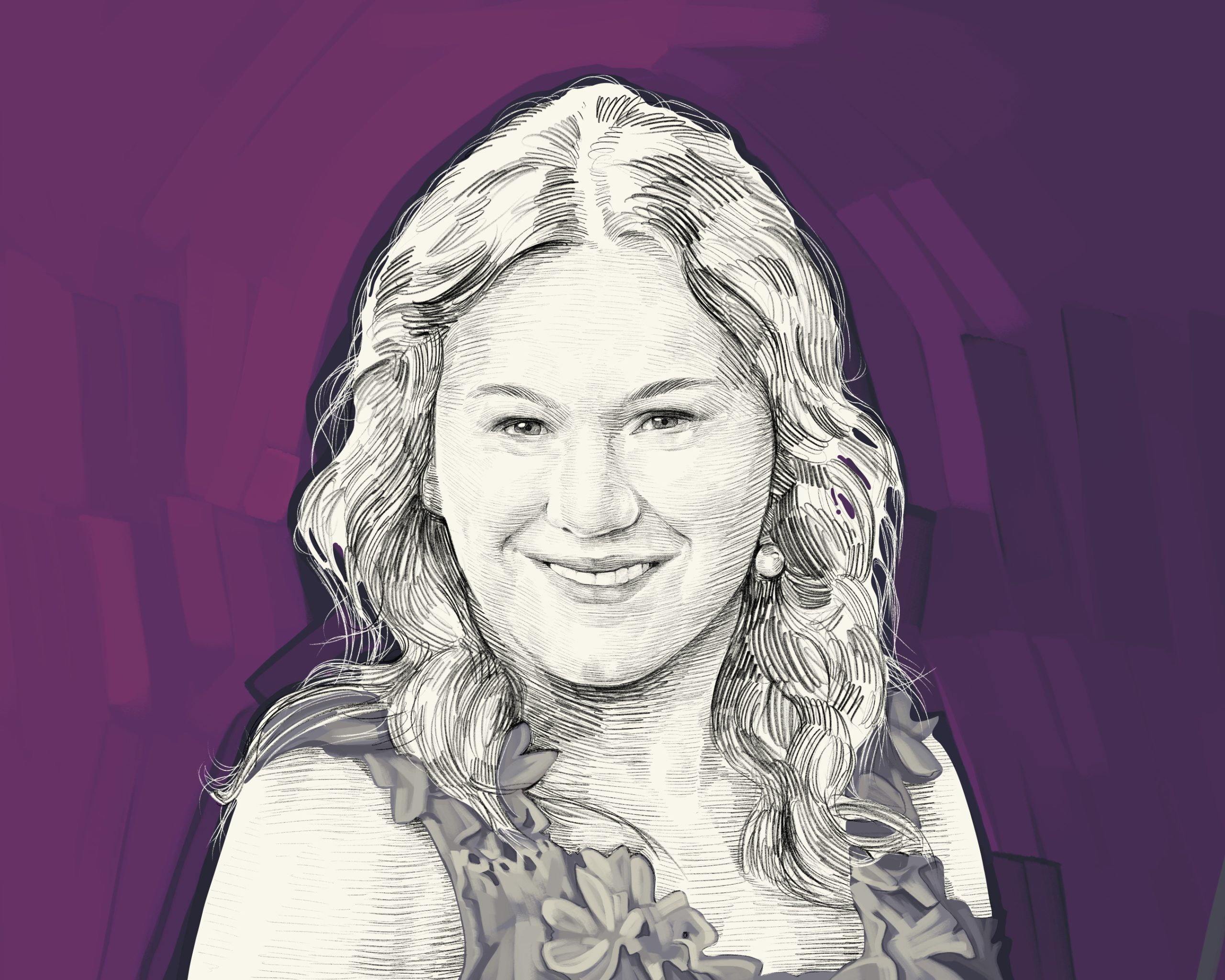
When Australia made history in 2023 by becoming the first country to formally prescribe MDMA for post-traumatic stress disorder and psilocybin for treatment-resistant depression, the ripple effects extended well beyond its borders. Tania de Jong, co-founder of Mind Medicine Australia, was instrumental in turning what once seemed impossible into clinical practice. Her experience provides a rare window into how patient advocacy, strategic science, and persistent policy can reshape mental health care standards.
What Happened
The journey toward this policy shift began with cultural moments and personal exploration. Michael Pollan's 2015 New Yorker feature sparked widespread interest, while Tania and her husband Peter's trip to the Netherlands for a guided psilocybin session opened new possibilities. A 2017–2019 UCSF investigation into psilocybin-assisted therapy for long-term AIDS survivors, which Tim Ferriss helped support, strengthened the evidence foundation. In 2019, Tania and Peter publicly launched Mind Medicine Australia, stepping into a multi-year regulatory battle. The organization submitted multiple rescheduling requests, engaged the Therapeutic Goods Administration, and in February 2023 secured restricted prescribing access—effective July 1, 2023—followed by patient intake beginning early the next year.
Why This Matters
Australia's decision is more than a national policy change; it creates a reference point for how nations can move psychedelics from prohibited substances to regulated treatments. The approach shows that sustained grassroots organizing, scientific partnerships, and patient-centered policy can overcome deeply entrenched barriers. For the global mental health community, the move offers a model for addressing treatment-resistant conditions, lowering suicide risk, and expanding access to innovative therapies. It also underscores the ongoing challenge of balancing cost, clinician availability, and equitable distribution.
Key Takeaways
- Policy change often starts with a cultural catalyst—a compelling story, a bestselling book, or a viral moment—that shifts public perception.
- Persistence through rejection is essential; regulatory setbacks are common, but refined applications and sustained pressure can eventually succeed.
- Cross-disciplinary collaboration among clinicians, researchers, artists, and patients builds momentum and broadens support.
- Cost remains a primary barrier: therapist time drives the bulk of treatment expense, making insurance integration and philanthropic support critical.
- International policy shifts, even in one country, can create a domino effect, encouraging other nations to reassess their own frameworks.
Conclusion
Australia's 2023 rescheduling is a landmark moment, but it's also a starting point. The work of expanding access, refining delivery models, and ensuring equitable reach continues. For readers inspired by the story, the path forward includes staying informed, supporting patient advocacy funds, and engaging with local policymakers. The journey from underground exploration to approved therapy shows what's possible when curiosity, courage, and coordinated action align.



Discussion
Join the conversation
Thoughtful reactions, questions, and follow-up ideas help shape the next story.