Introduction
In 2023, Australia made history by becoming the first country in the world to allow clinicians to prescribe MDMA and psilocybin for certain psychiatric conditions. The breakthrough was not accidental, it was the result of a sustained, strategic effort by Mind Medicine Australia, a nonprofit founded by Tania and Peter de Jong. Their journey offers a rare blueprint for how grassroots advocacy, scientific engagement, and public pressure can reshape national drug policy.
What Happened
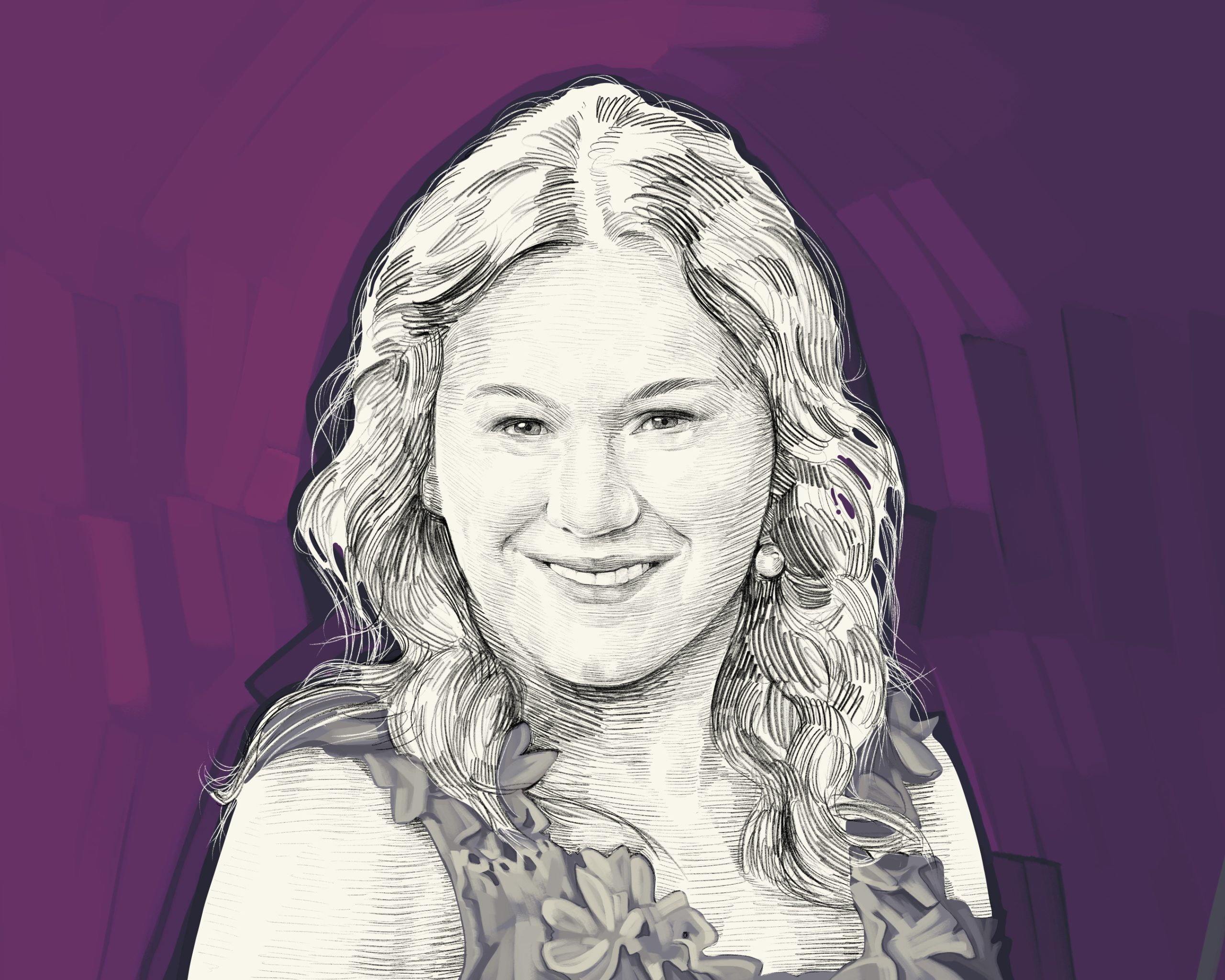
The movement began in 2015, when Tania de Jong encountered writings on psychedelic therapy and experienced a transformative psilocybin session in the Netherlands. She and her husband Peter co-founded Mind Medicine Australia in 2019 with a clear goal: accelerate safe access to these medicines for Australians in need. Over the next several years, the organization built a multi-pronged strategy. It submitted repeated applications to the Therapeutic Goods Administration (TGA) to reschedule MDMA and psilocybin from Schedule 9 to Schedule 8, the classification that permits clinical use. Each submission was rejected with reasons, prompting the team to address every concern through data, public education, and direct engagement. A pivotal moment came when the group recruited Professor David Nutt for a national roadshow, bringing evidence-based commentary to major Australian cities. Simultaneously, Mind Medicine Australia launched a massive public consultation campaign that gathered over 13000 submissions, 98 percent in favor of rescheduling, the largest such response the TGA had ever received for any medicine. The organization also established a certification program that has already trained over 750 clinicians, including psychiatrists, psychologists, and nurses, to deliver psychedelic-assisted therapy safely and effectively. Chapters formed across Australia, from Byron Bay to Darwin, creating a nationwide network of support and education.
Why This Matters
Australia's decision sets a global precedent. As the first nation to legally permit prescription of MDMA and psilocybin for mental health conditions, it provides a working model for other countries weighing similar reforms. The combination of scientific outreach, legislative persistence, and community mobilization demonstrates that policy change is achievable even against entrenched regulatory barriers. For patients, the move means faster access to therapies that have shown promise in treatment-resistant depression, PTSD, and anxiety, particularly where conventional options have failed. For policymakers, the Australian experience offers a real-world case study in how to balance safety, evidence, and public interest when reforming controlled substance laws.
Key Takeaways
- A sustained advocacy campaign, combined with public submissions, can overcome regulatory inertia.
- Training clinicians early creates a ready workforce prepared to integrate new treatments once approved.
- High-profile scientific outreach, such as the David Nutt roadshow, lends credibility and educates both policymakers and the public.
- A 98 percent public support rate, backed by over 13000 submissions, creates undeniable pressure for decision-makers.
- Rescheduling from Schedule 9 to Schedule 8 is a feasible pathway for introducing medical psychedelics without full pharmaceutical development timelines.
Conclusion
Australia's world-first policy shift shows that medical psychedelics can transition from experimental curiosity to prescribed treatment when advocacy, evidence, and political will align. As more countries observe and adapt the playbook, the hope is that access to these therapies expands rapidly, offering new options to people who have exhausted existing alternatives. The Mind Medicine Australia model proves that meaningful change often starts with a single determined effort, a committed team, and the willingness to persist through every roadblock.



Discussion
Join the conversation
Thoughtful reactions, questions, and follow-up ideas help shape the next story.