Introduction
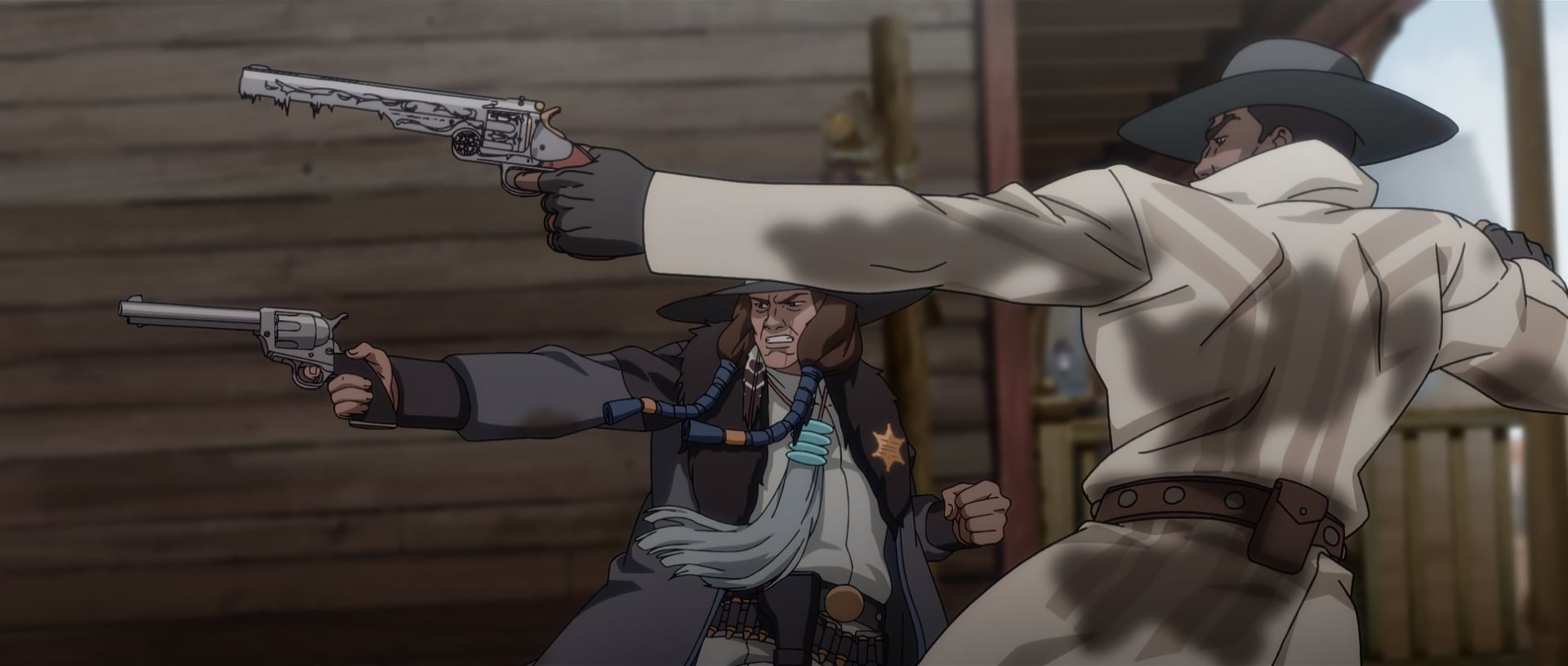
Netflix's latest animated series enters the scene with a clear purpose, refusing to lean on familiar anime tropes. Bass X Machina arrives as a standout in Black sci-fi animation, blending steampunk western visuals with a culturally specific narrative that feels both fresh and rooted in history.
What Happened
The series follows Bass Reeves, a Black bounty hunter navigating a post-Civil War steampunk landscape, as he's offered a final job that pulls him away from his pregnant wife and children. Joined by Dana Starr, a gifted inventor and his reluctant sidekick, Bass confronts outlaws, towering automatons, and the complicated politics of a fractured America. The journey becomes as much about personal redemption as it is about the world he inhabits.
Why This Matters
Beyond its striking animation, the series matters because it centers Black creatorship and cultural texture without apology. Created by LeSean Thomas and produced by Studio Mir, it uses its historical setting to explore themes of identity, loyalty, and survival, all while avoiding the pitfalls of derivative storytelling. The result is a show that feels authentic, ambitious, and deeply resonant.
Key Takeaways
- Studio Mir's animation delivers dynamic action and vibrant, weighty combat sequences.
- Cultural authenticity is embedded in the dialogue, music, and world-building details.
- The series balances high-concept spectacle with grounded character drama.
- Hip-hop-infused music reinforces the show's Black cultural identity.
- Steampunk technology serves the narrative, reflecting industrial progress and bodily otherness.
Conclusion
Bass X Machina proves that Black animated series can lead with originality rather than imitation. Its blend of historical reflection, genre innovation, and cultural specificity makes it a notable addition to Netflix's roster. Viewers looking for inventive animation and thoughtful storytelling will find a rewarding experience that lingers well beyond the final episode.





Discussion
Join the conversation
Thoughtful reactions, questions, and follow-up ideas help shape the next story.