Introduction
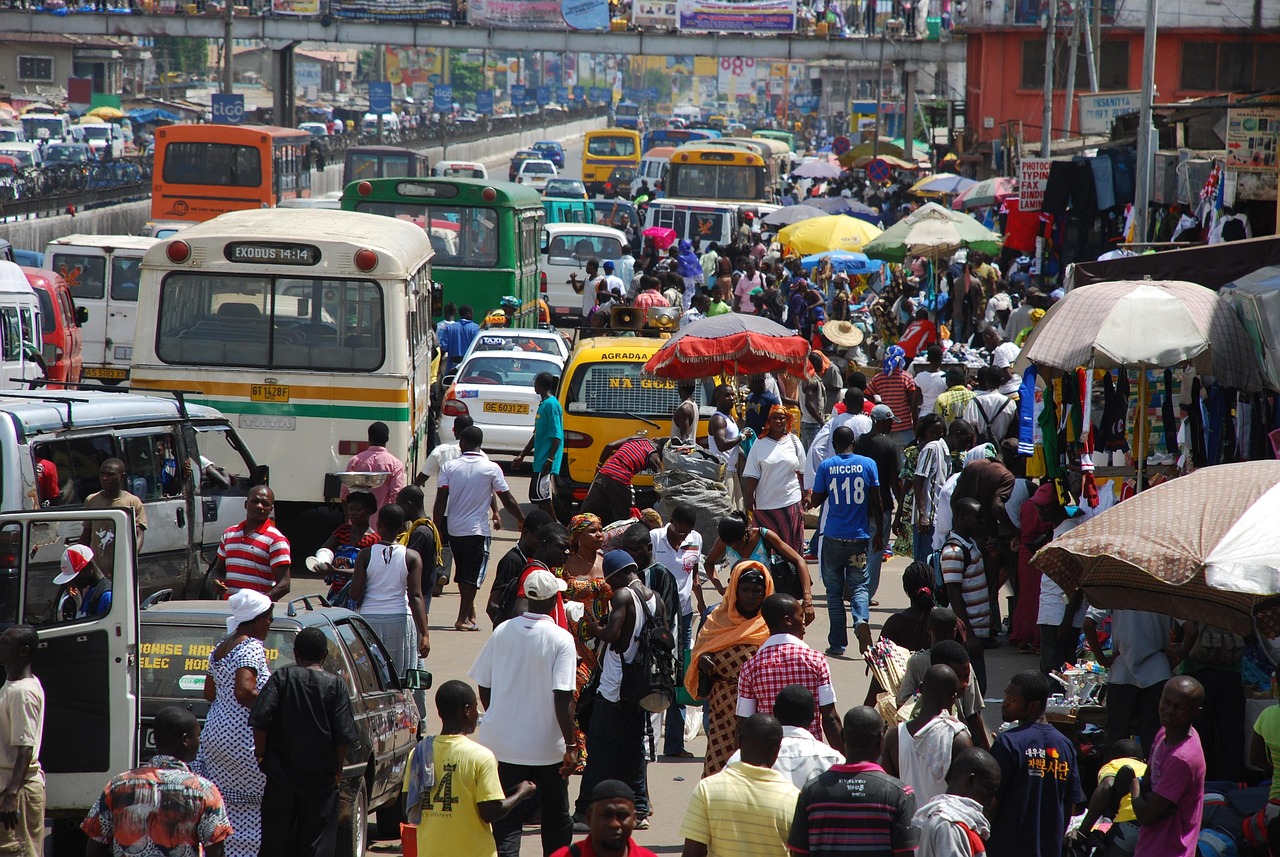
Ghana's annual inflation rate climbed to 5.5% in October 2026, marking the highest level in eleven months and setting the stage for a closely watched monetary policy meeting.
What Happened
Government Statistician Alhassan Iddrisu announced the October figure in Accra, up from 5.2% in September. The rise was fueled by a weaker cedi and higher prices in non-food categories, even as food inflation eased to 2.8% from 4% the previous month. Non-food inflation reached 7.9%, while services inflation accelerated to 11.5%.
- Non-food inflation rose to 7.9% from 6.2% in September.
- Services inflation accelerated to 11.5% from 8.3%.
- Food inflation slowed to 2.8% from 4% in September.
Why This Matters
The data arrives ahead of the Bank of Ghana's November 18 policy meeting, where officials will assess whether to hold the policy rate at 14% or adjust it. With inflation still outside the target range of 6% to 10% and the cedi depreciating by 10% against the dollar this year, pressure persists on price stability. The central bank's decision will depend on whether these trends signal broader economic risk or a temporary spike.
Key Takeaways
- Inflation reached 5.5% in October, the highest since November 2025.
- Non-food and services prices drove the monthly increase.
- Food inflation moderated, offering some relief amid broader price pressures.
- The Bank of Ghana maintains its 14% policy rate as it monitors currency and supply impacts.
- A weaker cedi and global supply constraints continue to influence domestic price levels.
Conclusion
October's inflation spike underscores ongoing challenges for Ghana's macroeconomic stability. As the Bank of Ghana prepares its November decision, the data highlights the delicate balance between supporting growth and anchoring prices. Stakeholders will be watching closely for signals on future rate policy and the broader trajectory of Ghana's inflation outlook.





Discussion
Join the conversation
Thoughtful reactions, questions, and follow-up ideas help shape the next story.