Introduction
The Western genre has long stood as a cinematic cornerstone of American identity, translating the myth of the frontier into stories of honor, conflict, and self-discovery. From early silent oaters to modern revisionist Westerns, these films have shaped how audiences understand masculinity, justice, and the cost of expansion.
What Happened
Emerging from dime novels and Wild West shows at the turn of the twentieth century, the Western quickly became Hollywood’s most enduring homegrown genre. Early classics like Stagecoach and The Searchers established visual language and archetypes that would echo through decades, while later entries such as Unforgiven and No Country for Old Men deconstructed those very myths, revealing the violence and ambiguity beneath the legend.
Why This Matters
More than shootouts and horseback chases, Westerns serve as cultural Rorschach tests, reflecting shifting societal values and personal struggles with duty, morality, and belonging. They’ve influenced countless filmmakers, inspired genre hybrids, and continue to resonate because they frame universal human conflicts through the stark, open landscape of the American West.
Key Takeaways
- The genre evolved from straightforward hero tales to complex narratives that question its own myths and conventions.
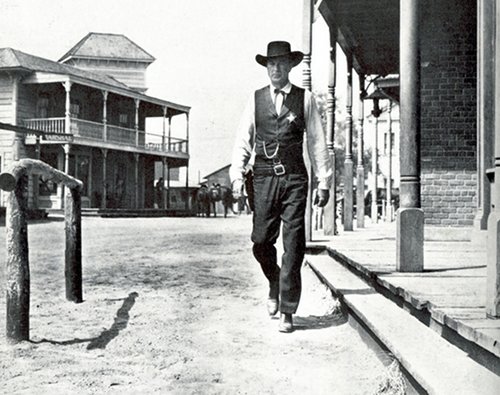
- Iconic films across decades—from High Noon’s tense moral stand to the sprawling scope of epic Westerns—showcase the genre’s adaptability.
- Modern Westerns like 3:10 to Yuma and Bone Tomahawk prove the format can blend traditional elements with fresh tension and psychological depth.
- Beyond entertainment, these films interrogate ideas of honor, legacy, and the often-romanticized price of progress.
Conclusion
Whether you’re drawn to sweeping epics or intimate character studies, the Western canon offers both a mirror and a map of American storytelling’s relationship with its own mythic past. Engaging with these films is as much a journey through cinema history as it is a reflection on the enduring themes that define us.


Discussion
Join the conversation
Thoughtful reactions, questions, and follow-up ideas help shape the next story.