Introduction
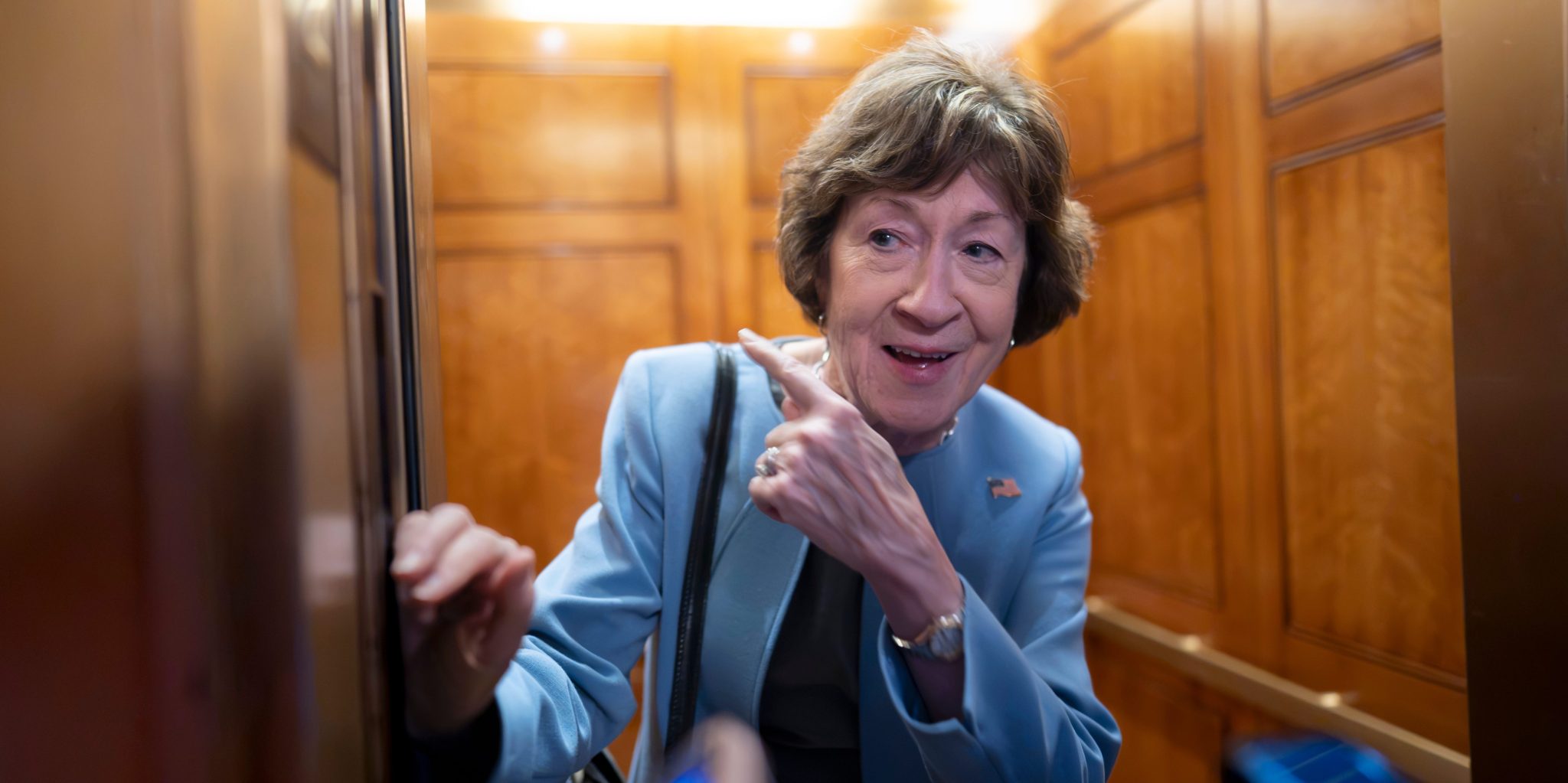
Sen. Susan Collins of Maine and Rep. Ken Calvert of California secured $345 million for a military vehicle program even after the Army declared the model excess. The funding decision triggered a rapid influx of campaign contributions from the vehicle's manufacturer and its executives, drawing fresh attention to the overlap between defense spending and election finance.
What Happened
The U.S. Army last year determined it had sufficient quantities of a specific armored vehicle and flagged further orders as excess. Nevertheless, congressional appropriators pushed through $345 million for the program in the final defense spending bill. In the weeks that followed, employees and the political action committee of AM General the company that produces the Joint Light Tactical Vehicle donated tens of thousands of dollars to Collins Calvert and other members of the appropriations committees. The donations flowed primarily in the days after the appropriations bill cleared Congress.
Why This Matters
The episode highlights a persistent gap in campaign finance rules: while direct donations from government contractors to candidates are restricted, political action committees and individual employees frequently circumvent those limits. Experts warn that when lawmakers who control massive defense budgets also rely on contractor contributions the appearance of influence can outweigh formal restrictions. The case also underscores the political weight of the Joint Light Tactical Vehicle program which supporters say sustains jobs in Indiana and other states even as the military questions its continued need.
Key Takeaways
- Sen. Susan Collins and Rep. Ken Calvert received significant donations from AM General and its parent company KPS Capital after securing $345 million for the Joint Light Tactical Vehicle program.
- The Army had previously declared further orders excess but Congress overrode that decision in the final appropriations bill.
- Donations poured in weeks after the bill's passage, including contributions from the company's CEO and PAC members.
- The case resurfaces long-standing concerns about how campaign finance rules allow government contractors to influence spending decisions.
- Other members of Congress from both parties also received AM General-linked contributions during the same period.
Conclusion
The flow of money from AM General to key appropriators after a controversial defense spending decision reveals the ongoing tension between military priorities congressional authority and campaign finance integrity. As the JLTV program faces renewed scrutiny the episode serves as a reminder of how quickly political support can translate into financial backing why transparency remains a persistent challenge in federal defense spending.


Discussion
Join the conversation
Thoughtful reactions, questions, and follow-up ideas help shape the next story.