Introduction
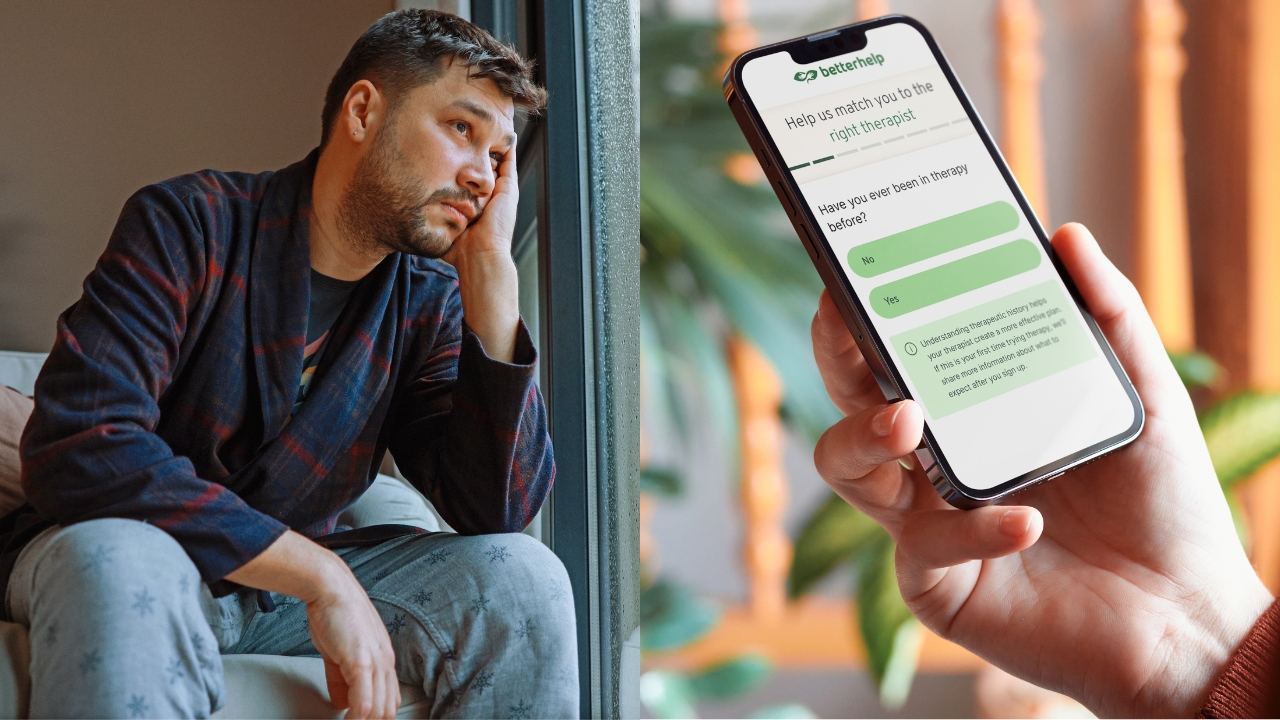
June marks Men's Mental Health Month, a timely reminder that taking care of psychological well-being is just as crucial as physical health. Yet for many men, the decision to seek professional support remains clouded by outdated expectations and silent barriers.
What Happened
A nationwide conversation about men's emotional well-being has gained momentum, driven by a growing recognition that mental health care should be accessible and free from judgment. The piece explores the real-world obstacles men encounter when therapy enters the conversation, from cultural norms to a lack of early guidance on processing emotions.
Why This Matters
When men avoid therapy, the effects often ripple beyond the individual, impacting families, workplaces, and communities. BetterHelp emphasizes that support is available in flexible formats, making it easier than ever to find a match without the logistical stress of traditional scheduling.
Key Takeaways
- Cultural expectations still frame vulnerability as incompatible with masculinity, discouraging many men from speaking openly about feelings.
- Many men report that no one ever gave them permission or space to process emotions, leaving them without a model for healthy emotional expression.
- The misconception that therapy is only for severe mental illness prevents countless men from seeing it as a constructive resource for anyone, regardless of symptom severity.
Conclusion
Therapy isn't a sign of weakness—it's a proactive step toward resilience and balance. With platforms like BetterHelp offering quick matching, multiple communication modes, and affordable entry points, there has never been a more accessible time for men to prioritize their mental well-being. Taking that first step can transform not just an individual's life, but the broader culture around men's health.

Discussion
Join the conversation
Thoughtful reactions, questions, and follow-up ideas help shape the next story.