
Introduction
The Central Bank of Nigeria has made a decisive move to lower its key interest rate, setting the monetary policy rate at 23 percent. The decision, announced after the MPC's latest meeting, signals a shift in the bank's approach to managing inflation and supporting economic growth.
What Happened
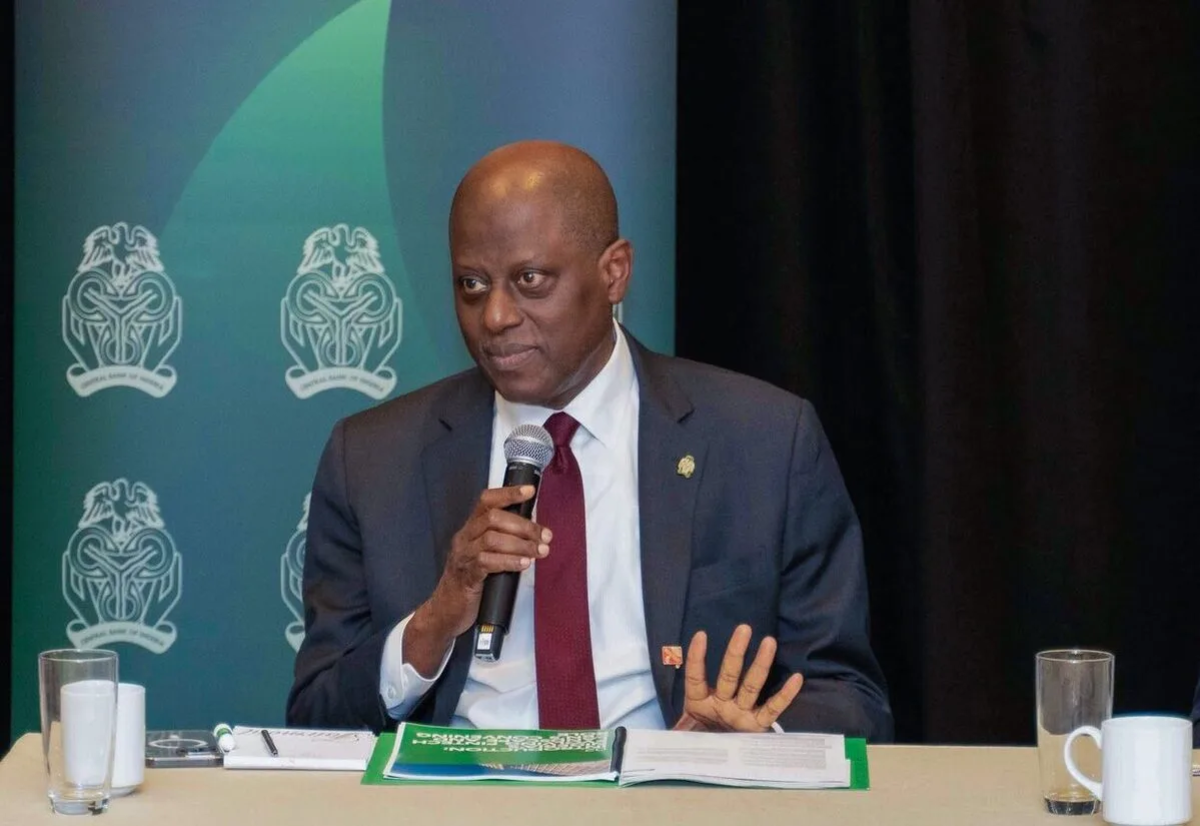
Governor Olayemi Cardoso revealed the outcome of the 307th Monetary Policy Committee meeting held in Abuja on Tuesday. The committee voted to reset the monetary policy rate to 23 per cent, down from the previous level, marking the first major adjustment under the current governance cycle.
Why This Matters
A lower MPR influences borrowing costs for businesses and consumers, potentially stimulating investment while also affecting inflation dynamics. Economists warn that the move must be balanced against Nigeria's persistent price pressures, but proponents argue it will encourage credit access and private sector expansion.
Key Takeaways
- The CBN has reduced its monetary policy rate to 23%, the latest in a series of policy adjustments.
- Governor Olayemi Cardoso announced the decision following the MPC's 307th meeting in Abuja.
- The rate cut aims to improve credit availability and support economic activity.
- Stakeholders will be watching inflation trends and exchange rate movements in the coming months.
Conclusion
CBN's rate reduction to 23 percent represents a pivotal moment for Nigeria's monetary policy landscape. As the economy adapts, the focus will shift to how quickly lending rates respond and whether inflation remains within target ranges.

Discussion
Join the conversation
Thoughtful reactions, questions, and follow-up ideas help shape the next story.