Introduction
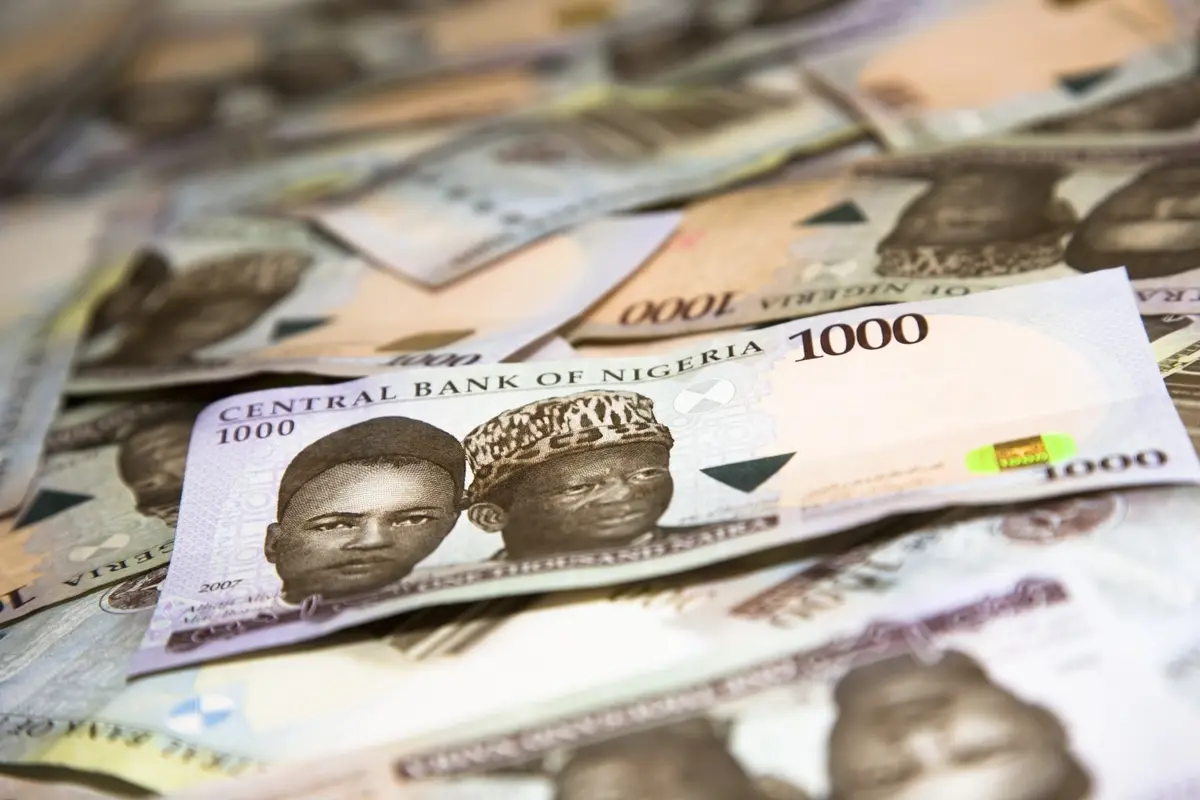
Nigeria's private sector credit continued its upward trajectory in August 2026, reaching a new high of N84.55 trillion. The figure marks the third consecutive monthly gain, reflecting sustained, cautious, expansion in business lending across the continent's largest economy.
What Happened
According to the latest Central Bank of Nigeria CBN data, private sector credit rose from N83.43 trillion in July to N84.55 trillion in August, representing a monthly increase of approximately N1.13 trillion, or 1.35%. Year-on-year, the total credit extended to private borrowers grew by about N8.67 trillion, or 11.4%, compared with N75.88 trillion in August 2025. The upward trend traces back through May and June, when credit stood at N81.04 trillion and N83.26 trillion, respectively.
CBN statistics also reveal a detailed sectoral snapshot from the Q1 2026 Statistical Bulletin. Agriculture received N3.86 trillion in credit by March 2026, while lending to the oil and gas sector slipped from N10.91 trillion in January to N10.58 trillion in March. Manufacturing credit declined from N6.57 trillion to N5.77 trillion over the same period, and power and energy lending rose from N1.30 trillion to N1.61 trillion. Real estate credit climbed from N4.67 trillion to N6.29 trillion, and trade and general commerce reached N6.29 trillion. The finance, insurance, and capital market sector held the largest share at N9.80 trillion.
Why This Matters
The continued rise in aggregate credit signals a recovery in lending activity, but the broader picture reveals significant disparities across industries. High interest rates persist, with the CBN's Monetary Policy Committee holding the rate at 26.50% in July 2026 as part of its inflation-control strategy. Despite the overall increase, manufacturers and other operators have voiced concerns about access to affordable credit. The Manufacturers Association of Nigeria reported that credit to the manufacturing sector fell by N1.92 trillion, from N8.53 trillion in December 2024 to N6.61 trillion in December 2025. Similarly, consumer credit contracted by 19.89% to N3.78 trillion in 2025, marking the first annual decline since December 2019.
Policy watchers note that while more financing is entering the system, the terms and distribution determine the real impact on economic growth. The Centre for the Promotion of Private Enterprise has cautioned the CBN against further rate hikes, warning that additional tightening could strain businesses and households.
Key Takeaways
- Private sector credit reached N84.55 trillion in August 2026, up 1.35% month-on-month and 11.4% year-on-year.
- The CBN's tight monetary policy, with the MPR at 26.50%, continues to shape borrowing conditions.
- Sectoral data shows real estate and power/energy gaining credit traction, while manufacturing and oil and gas face headwinds.
- Consumer credit declined for the first time since 2019, falling to N3.78 trillion in 2025.
- Industry groups warn that elevated interest rates may limit the inclusive benefits of rising credit figures.
Conclusion
Nigeria's private sector credit expansion reflects a complex balance between growing aggregate financing and uneven sectoral distribution. As businesses navigate higher borrowing costs and selective lender appetite, the trajectory of credit growth will likely depend on monetary policy direction, industry-specific demand, and the CBN's ability to balance inflation control with economic stimulus. Stakeholders monitoring the economy should watch for signs of broader credit penetration and whether recent gains translate into sustained industrial activity.


Discussion
Join the conversation
Thoughtful reactions, questions, and follow-up ideas help shape the next story.