Introduction
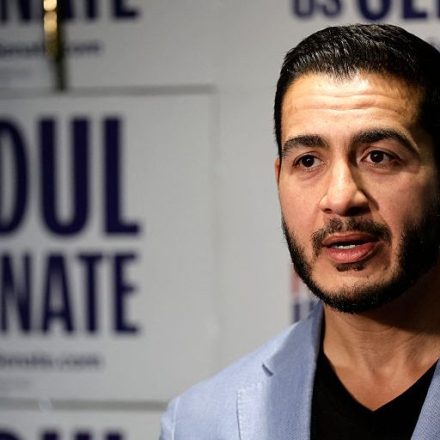
As the 2026 midterms approach, a fierce internal battle is unfolding within the Michigan Democratic primary and spilling into the general election. Centrist party moderates are drawing a hard line against candidate Abdul El-Sayed, insisting he distance himself from criticism of Israel, or face a united Republican opposition. The standoff reveals how deeply the Israel-Palestine issue has fractured the party's path to a Senate majority.
What Happened
Rep. Haley Stevens, who lost to El-Sayed in the August Democratic primary, demanded he apologize for a paid advertisement produced by The Young Turks host Cenk Uygur and his Rebellion PAC. The ad linked rising domestic prices to U.S. military aid to Israel. Though El-Sayed had no role in creating or distributing the spot, his campaign issued a conciliatory statement distancing itself from the message. Stevens rejected that as insufficient, issuing a public denunciation framed as a magnanimous gesture of support, while secretly conditioning her endorsement on El-Sayed meeting her demands.
Stevens went further, effectively labeling El-Sayed an antisemite and a right-wing sympathizer. Her statement, positioned as a celebration of party unity, named Rep. Jim Clyburn as a co-endorser and invoked Michigan's Black and Jewish communities. The move came after her fiancé, donor Jason Turkish, told TMZ he would vote for Republican opponent Mike Rogers if El-Sayed did not comply.
Why This Matters
Establishment Democrats view El-Sayed as an existential threat - not because of his domestic policy record, which mirrors mainstream party figures like Elizabeth Warren, but because of his unyielding stance against Israel's military actions in Gaza. AIPAC and other pro-Israel lobbying groups remain influential, even as voter sentiment shifts left on the issue. Recent polling shows 95 percent of Michigan Democrats support El-Sayed, yet the party's donor class and leadership continue to pressure him, fearing that his election would disrupt established power structures and donor relationships.
The conflict underscores a broader tension: a party base increasingly skeptical of unconditional support for Israel versus a centrist establishment beholden to pro-Israel donors. With Obama and Clyburn backing El-Sayed, the battle is as much about the party's soul as it is about winning a swing seat.
Key Takeaways
- Haley Stevens and centrist allies are using El-Sayed's Israel stance to block his Senate bid, even at the cost of a winnable seat.
- El-Sayed has refused to apologize for ads he did not produce, maintaining his campaign's integrity.
- Voter support in Michigan remains overwhelmingly behind El-Sayed, despite party leadership pressure.
- AIPAC and elite donor influence continue to shape Democratic nominee decisions over grassroots preference.
- The fight signals a deepening rift between the party's progressive wing and its moderate, donor-driven leadership.
Conclusion
El-Sayed has signaled he will not be deterred by last-minute smears, focusing instead on defeating Republican Mike Rogers and advancing his platform on affordability and healthcare. His campaign argues that the party's internal war over Israel policy should not distract from the larger goal of blocking right-wing control of the Senate. As Tuesday's vote approaches, the question remains whether Democrats can set aside ideological purges long enough to secure a majority, or whether centrist calculations will cost them the chamber.





Discussion
Join the conversation
Thoughtful reactions, questions, and follow-up ideas help shape the next story.