
Introduction
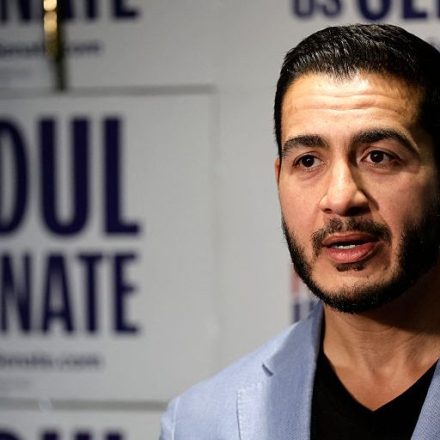
The Democratic Senate race in Michigan has been rocked by a public dispute between candidates Abdul El-Sayed and Haley Stevens, with an advisor to Rep. Jim Clyburn stepping in to block El-Sayed's attempt to disinvite Stevens from a scheduled unity rally this Sunday in Detroit.
What Happened
El-Sayed originally asked Stevens to stay away from his campaign events, seeking to disinvite her from Sunday's church-based gathering. However, Antjuan Seawright, a senior advisor to Clyburn, told The New York Times that the invitation still stands and the event belongs to the broader coalition, not solely to El-Sayed. The move follows a controversial political ad supporting El-Sayed that appeared to place blame for Michigan's cost-of-living challenges on Israel and Jewish communities, prompting Stevens to demand an apology.
Why This Matters
The friction highlights deeper rifts within the Michigan Democratic electorate as the midterms approach, with Israel-related rhetoric becoming a flashpoint. Stevens' willingness to continue backing El-Sayed despite the controversy, along with her fiancé's public withdrawal of support, underscores the high stakes of the Senate race against Republican Mike Rogers. The episode also illustrates how quickly campaign alliances can fracture when foreign policy language intersects with domestic economic messaging.
Key Takeaways
- An advisor to Clyburn has intervened to prevent El-Sayed from removing Stevens from the unity rally.
- The tension stems from a campaign ad that critics say scapegoats Israel for Michigan's economic struggles.
- Stevens has refused to withdraw support, reaffirming her commitment to the Democratic nominee.
- The Senate race remains tightly contested, with recent polls showing a narrow margin against GOP challenger Mike Rogers.
- The situation reflects broader intra-party dynamics as the 2026 midterms approach.
Conclusion
As the Detroit unity event approaches, the focus shifts to whether El-Sayed and Stevens can set aside their public dispute to present a united front against the Republican opponent. The coming days will likely reveal whether this intra-Democratic friction translates into voter impact or resolves behind the scenes.



Discussion
Join the conversation
Thoughtful reactions, questions, and follow-up ideas help shape the next story.