Introduction
The resurgence of the “Party Unity, My Ass” mantra has found a new battlefield in Michigan, where centrist Democrats are mobilizing to suppress a rising DSA-backed progressive.
What Happened
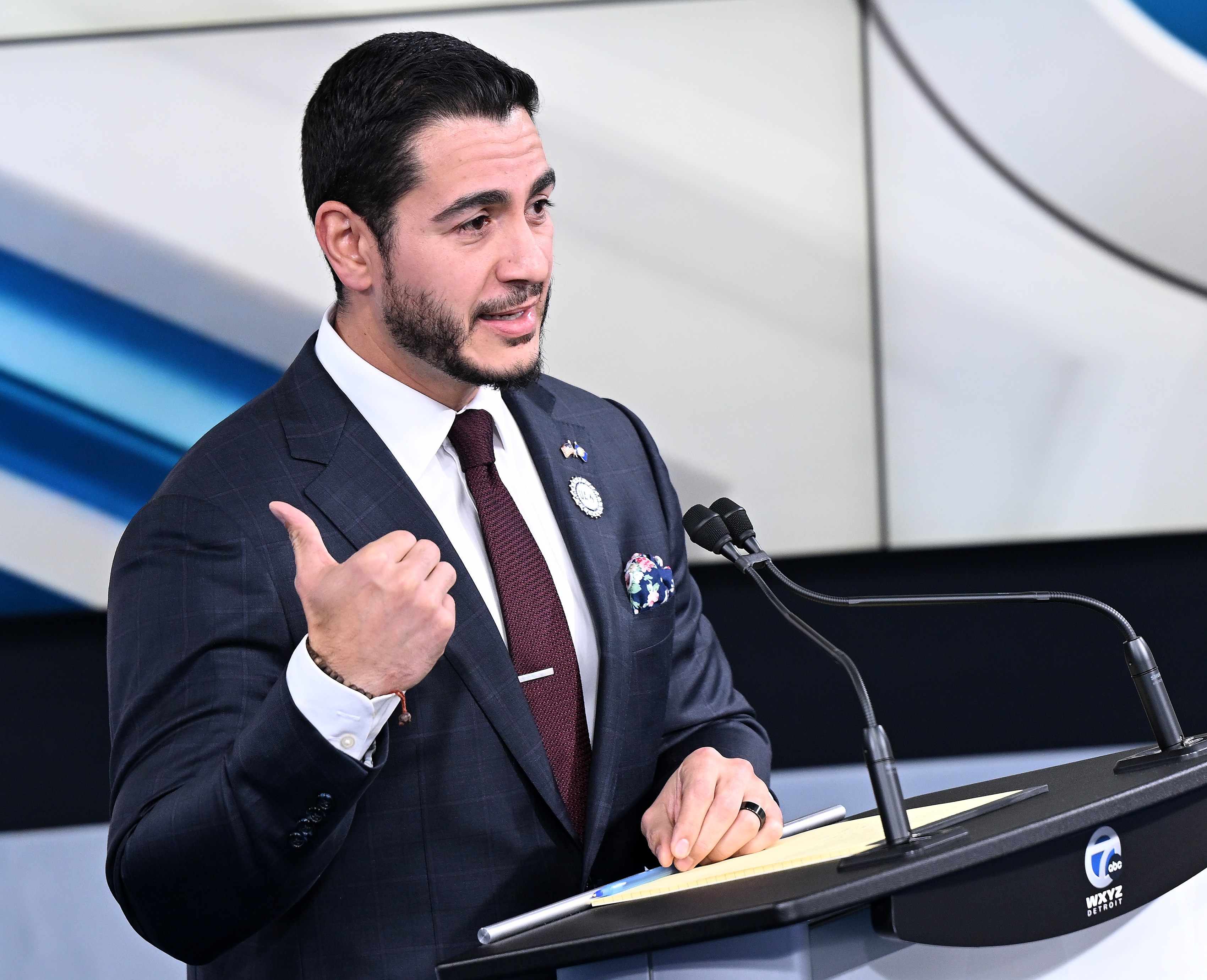
Abdul El-Sayed, a Muslim physician and former health department official, won his party’s primary and now faces a coordinated effort from party moderates to dilute his influence. Citing ideological differences, several Democratic operatives have urged voters to leave his name blank—a tactic that effectively hands the seat to Republican Mike Rogers. The move echoes past attempts to quarantine left-wing voices, rebranded for the current moment.
Why This Matters
What’s at stake extends beyond a single race. El-Sayed’s positions on healthcare, climate, and economic justice align with the broader progressive wing, yet his identity and affiliations have made him a target. Critics have launched attacks linking him to extremist rhetoric, while supporters argue his platform is well within mainstream Democratic territory. The debate reveals a deeper struggle over who truly controls the party’s direction.
Key Takeaways
James Carville’s recent comments—preferring a narrow GOP majority over a Democratic one empowered by the left—highlight the extent to which establishment figures are willing to sacrifice party control to prevent leftward momentum. His stance, and similar efforts from operatives in Michigan, signal that “party unity” is increasingly a weapon rather than a principle.
Despite the pressure, 95 percent of Michigan Democrats say they will vote for El-Sayed in the general election. His campaign argues that the real threat to the party’s future is suppressing voter enthusiasm and driving voters toward the right. As the race moves toward November, the outcome could reshape the balance of power in the Senate and set a precedent for how the party handles its progressive flank.
Conclusion
The fight over El-Sayed encapsulates a larger struggle within the Democratic party over its ideological identity and electoral strategy. The outcome will likely influence how future primaries are contested and whether the party’s progressive wing can translate primary wins into lasting institutional power.






Discussion
Join the conversation
Thoughtful reactions, questions, and follow-up ideas help shape the next story.