Introduction
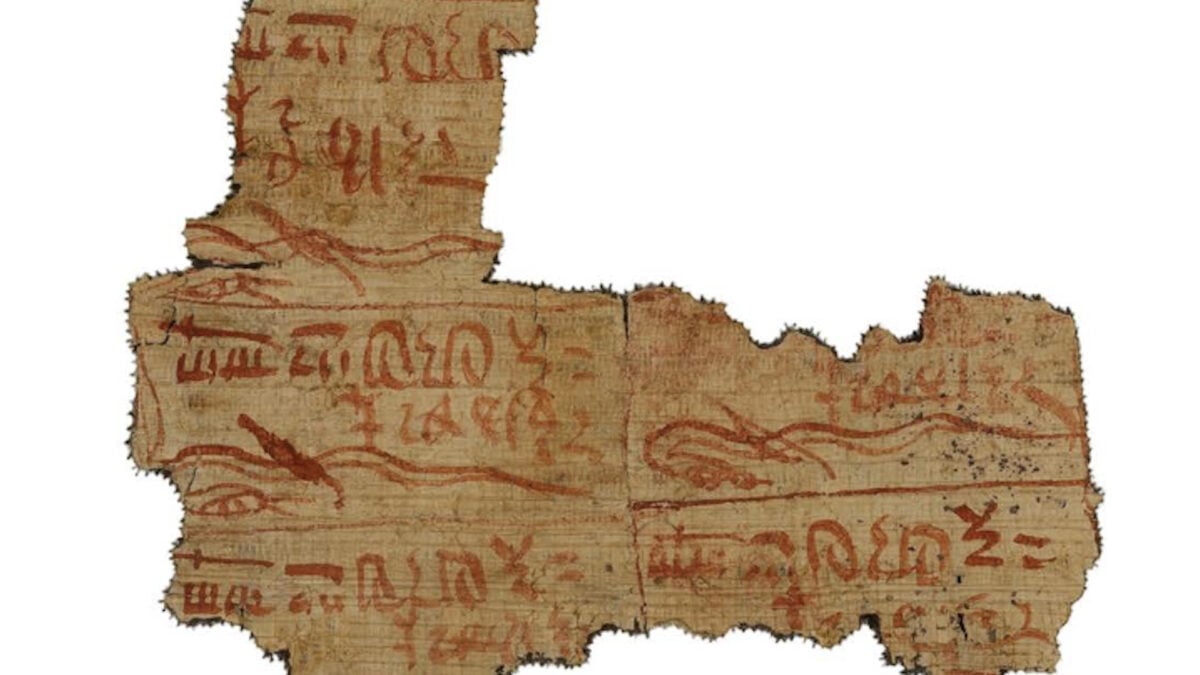
Archaeologists working at an ancient temple in Thebes have uncovered a startling collection of damaged papyrus fragments. Pulled from a trash heap outside the temple’s northern wall, the charred and pierced pieces offer rare physical proof of a ceremony designed to destroy Apophis, the serpent god of chaos in ancient Egyptian belief.
What Happened
A research team recovered 40 papyrus fragments that had been burned and punctured, likely by blades or spears. According to a study published in the Journal of the Egyptian Language and Antiquities, the remnants originate from roughly 3,000 years ago and appear to be leftovers from the so-called Apophis ritual. Fredrik Hagen, an Egyptology professor at the University of Copenhagen who led the study, explained that the destruction of the materials was central to the ceremony’s success.
Ancient instructions describe a multi-step process: priests would spit on images of Apophis, trample them, strike them with spears, stab them with knives, and set them ablaze while chanting spells. The condition of the Thebes fragments closely matches those descriptions, and the researchers estimate the ritual was performed at least 20 separate times at the site.
Why This Matters
Before this discovery, scholars relied mainly on a single manual from the late fourth century B.C. to understand the ceremony. The new fragments suggest the ritual was not confined to priests or limited to temple walls. Instead, it appears to have been a regular feature of religious life and was also known among literate Egyptians who served as scribes, healers, or practitioners of magic.
The find also illuminates the cosmic struggle central to Egyptian theology. In that worldview, the sun god Ra traveled through the underworld each night, battling Apophis to ensure the sun would rise. The conflict symbolized the broader tension between ma’at, representing order and harmony, and isfet, representing chaos.
Key Takeaways
- Forty burned and pierced papyrus fragments were found in a temple trash dump in Thebes.
- The pieces are tied to the Apophis ritual, an ancient ceremony meant to defeat the chaos serpent.
- Researchers believe the ritual was carried out at least 20 times at the location.
- Evidence indicates the practice extended beyond priests to other literate Egyptians.
- The physical damage on the papyri aligns with instructions found in later ritual manuals.
Conclusion
These small, fire-scarred fragments are changing what experts know about magic and religion in ancient Egypt. Far from being an obscure rite reserved for a select few, the Apophis ceremony appears to have been woven into the fabric of temple life and broader society. As Hagen noted, the discovery confirms that curse rituals were far more widespread than the historical record previously suggested.
Discussion
Join the conversation
Thoughtful reactions, questions, and follow-up ideas help shape the next story.