Introduction
In Texas a surprising political current is reshaping the role of faith in public life Three prominent Christian Democrats James Talarico Reverend Frederick Douglass Haynes III and Gina Hinojosa are running for office on platforms that frame spiritual duty as a mandate for progressive policy change Their message challenges the assumption that the Christian vote in Texas is monolithically conservative instead arguing that caring for ones neighbor through legislation is a biblical imperative
What Happened
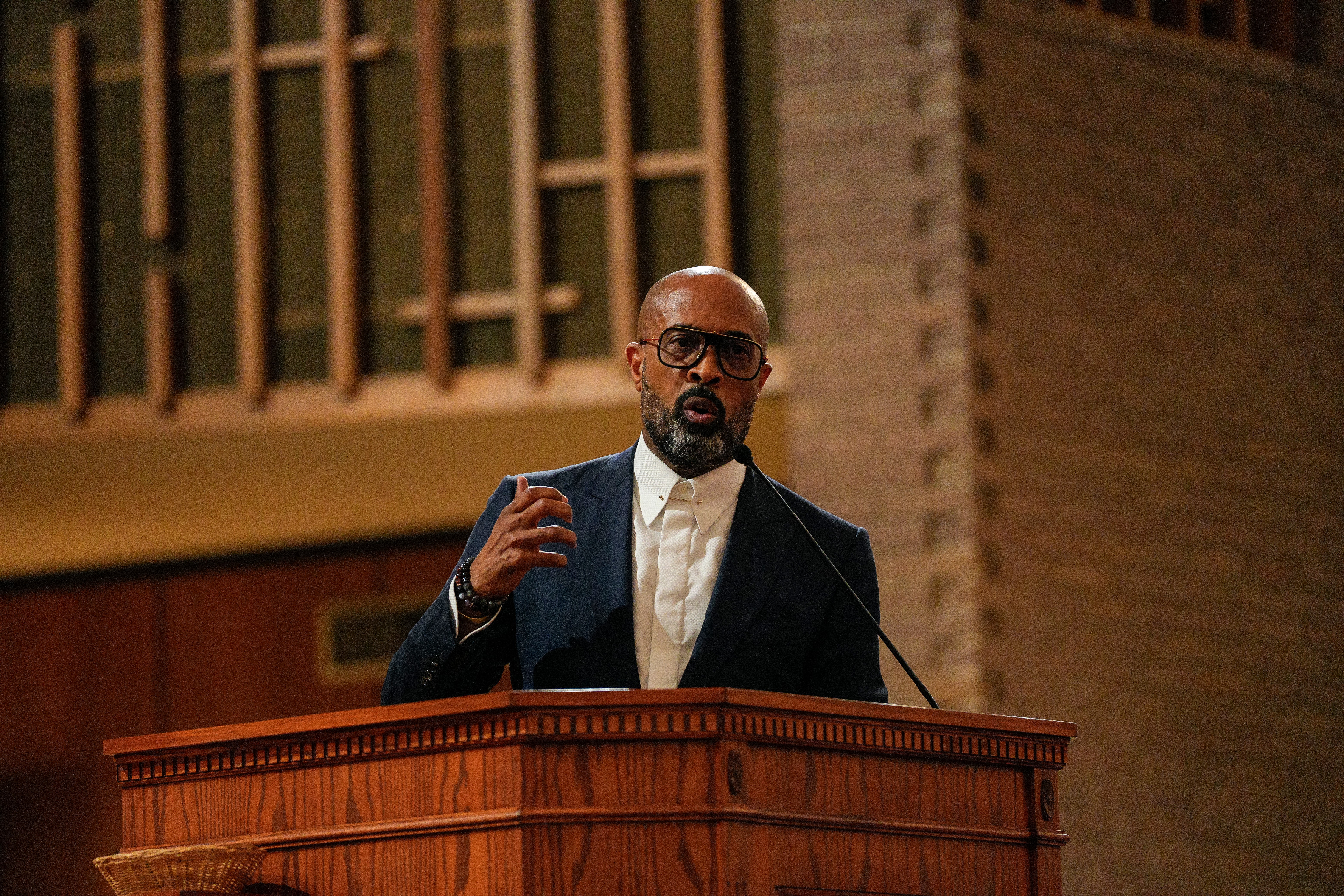
The article follows Haynes pastor at Friendship-West Baptist Church who joined Talarico at a South Dallas food drive questioning the timing of political rallies when families struggle to put food on the table Talarico a Presbyterian seminarian and US Senate candidate told a megachurch congregation that loving ones neighbor means making their lives easier through public policy Both men along with Hinojosa are weaving faith into campaign messaging asserting that when far right policies cause real suffering spiritual obligation demands political action Their efforts unfold against a backdrop of church based community services legal aid immigration advocacy food policy that have long been the connective tissue for communities under political and economic strain
Why This Matters
Texas hosts four of the nations ten most financially distressed major cities and Feeding America reports nearly 1 in 5 Texans experienced food insecurity in 2024 Federal projections suggest Medicaid changes could leave over seven million more Americans uninsured by 2034 Despite Republicans firm grip on the Christian vote PRRI found a majority of Republicans qualify as Christian nationalist adherents or sympathizers polls show significant blocs of Black Protestants seventy-four percent and Hispanic Catholics fifty-nine percent lean Democratic The Christian lefts rise forces a reconsideration of voter alignment particularly as Texas Governor Greg Abbott recently attacked Hinojosa on Sharia law grounds even though she is Catholic The movement also gains traction through clergy led protests interfaith organizing and a PRRI documented surge in progressive Christian resistance across eight states including Texas
Key Takeaways
- Christian Democrats in Texas are redefining faith as a driver for economic justice health access and civil rights
- The Christian left while not growing numerically is gaining visible political momentum through direct action and community networks
- Historical precedent shows religious institutions have long been both instruments of oppression and catalysts for progressive change
- Voter data reveals a complex religious landscape where Black and Hispanic faith voters often break from white evangelical trends
- The 2026 Texas races illustrate that framing policy through a moral faith based lens can resonate even in deeply red territory though election margins remain tight
Conclusion
Whether Tuesdays results translate into victory or not the emergence of a vocal Christian left in Texas signals a shift in how faith politics can be deployed These candidates argue that the true test of faith isnt rhetorical alignment with power but tangible service to neighbors facing real hardship As campaign cycles fade and promises dissolve the enduring commitment to showing up for others through policy or community work may prove the most resilient political proposition of all




Discussion
Join the conversation
Thoughtful reactions, questions, and follow-up ideas help shape the next story.