Introduction
The image of a 5,000-pound passenger car hauling a 5-pound takeout order has become a symbol of inefficiency in modern food delivery. Two UCLA graduates noticed the mismatch and set out to redesign the system from the ground up.
What Happened
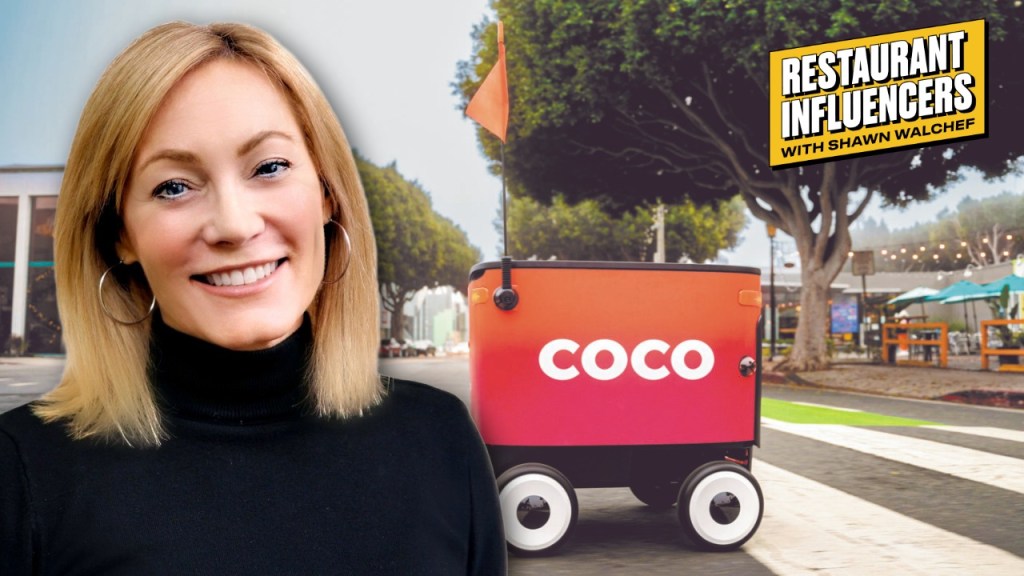
Coco Robotics was born from that insight, founded in 2020 by two UCLA engineers who questioned the logic of using full-size vehicles for short-distance food runs. With guidance from industry veterans like Melissa Fahs, VP of Enterprise Partnerships, the team built autonomous delivery robots designed specifically for restaurant orders. The impact has been significant: the company now completes over 500,000 deliveries across more than one million miles, averaging 1,000 deliveries per day in Los Angeles alone. A notable endorsement came from a Shake Shack regional manager, who praised Coco as their preferred delivery partner. The service has also expanded to 4,500 partner merchants and seven major cities, each presenting unique environmental lessons.
Why This Matters
The current delivery model carries hidden costs that eat into restaurant margins and affect food quality. By replacing oversized cars with purpose-built robots, Coco eliminates the need for consumer tips while keeping meals locked and at the intended temperature during transit. The technology integrates seamlessly with existing platforms like Uber Eats and DoorDash, requiring no extra hardware from restaurant staff. For operators, this means a low-risk way to test autonomous delivery without overhauling operations. As Melissa Fahs notes, the goal is to fit into the restaurant's flow, not force the restaurant to adapt around the technology.
Key Takeaways
- Over 500,000 deliveries completed and more than one million miles logged since launch.
- Operations span seven cities, with each market revealing new operational insights.
- Shake Shack and other major brands have endorsed the system, calling it a preferred delivery partner.
- Restaurants can enable the service through existing delivery apps without purchasing or maintaining robot hardware.
- The model removes the tipping expectation and protects food temperature and presentation from kitchen to door.
Conclusion
Coco Robotics demonstrates that autonomous delivery is already here, not a distant promise. By focusing on simplicity, food safety, and economic efficiency, the company offers restaurants a practical entry point into next-generation logistics. As Fahs says, the technology is already available for restaurants to test. Operators can start with a single location and scale based on guest response.



Discussion
Join the conversation
Thoughtful reactions, questions, and follow-up ideas help shape the next story.