Introduction
The Trump administration is moving forward with a roughly $2.8 billion arms package that would deliver 2,000-pound bombs to Israel, reigniting discussions about U.S. military support and its impact on the ongoing Gaza conflict.
What Happened
The proposed sale encompasses 40,000 2,000-pound bombs divided equally between Mk84 and BLU-117 variants according to U.S. officials familiar with the plan. The package is primarily funded through foreign military financing meaning U.S. taxpayer dollars will flow to Israel to purchase the weapons directly from American manufacturers. This represents a significant escalation from the previous administration's pause on such deliveries which had been prompted by concerns over civilian casualties in densely populated Gaza. Congress has been informally briefed on the pending deal though it has not yet completed its standard review process.
Why This Matters
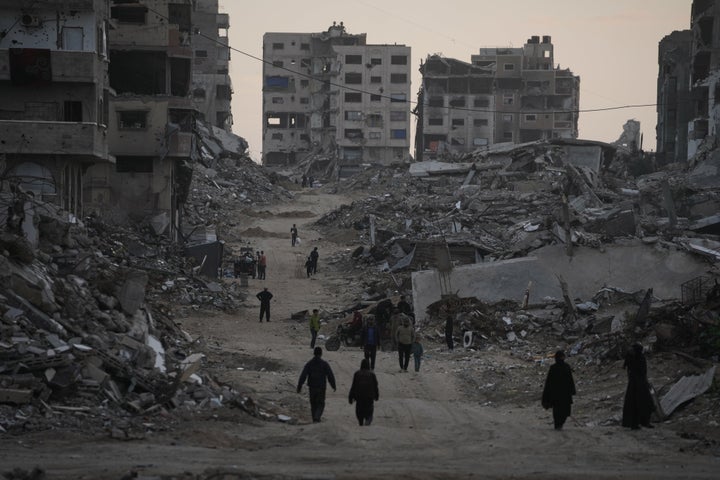
The resumption and expansion of 2,000-pound bomb deliveries underscores a shift in U.S.-Israel military cooperation under the current administration. Critics argue that such heavy munitions when used in populated areas contribute to mass casualties and exacerbate humanitarian conditions in Gaza. Proponents however frame the sale as a necessary component of Israel's defense posture. The deal also revives debates over congressional oversight as the Trump administration previously bypassed standard review channels in previous arms transfers and raises questions about the role of U.S. weapons in ongoing conflict dynamics.
Key Takeaways
- The $2.8 billion package includes 40,000 2,000-pound bombs (20,000 Mk84 and 20,000 BLU-117)
- Funding comes through foreign military financing directing U.S. taxpayer dollars toward the purchase
- The Biden administration had previously paused these deliveries over civilian casualty concerns
- The Trump administration has a history of bypassing normal congressional review for major Israel arms deals
- Experts link U.S.-made 2,000-pound bombs to strikes in Gaza including areas with high civilian presence
- The sale occurs alongside continued Israeli military operations and a fragile ceasefire framework
- International observers continue to monitor the humanitarian impact of heavy bomb usage in Gaza
Conclusion
The proposed $2.8 billion bomb sale highlights the enduring depth of U.S.-Israel military ties even as humanitarian concerns and international scrutiny persist. With 40,000 heavy munitions poised for delivery the deal is likely to fuel further debate over the balance between strategic alliances and civilian protection. As the situation in Gaza evolves the implications of this arms transfer will remain a focal point for policymakers advocates and watchdog groups alike.



Discussion
Join the conversation
Thoughtful reactions, questions, and follow-up ideas help shape the next story.