Introduction
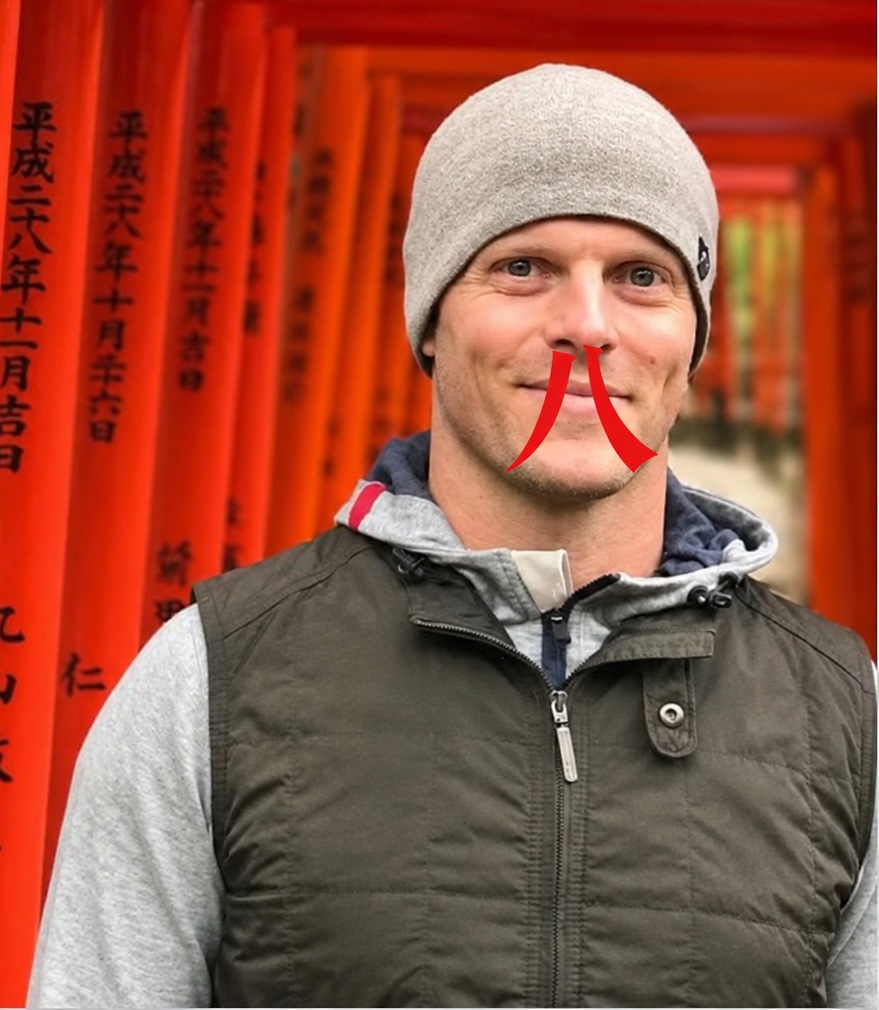
Tim Ferriss's podcast episode #888 becomes a fascinating exploration of how numbers shape culture, design, and perception across East Asia. Using the number eight as a central theme, the episode traverses architectural decisions, linguistic traditions, and economic practices deeply rooted in numerical symbolism.
What Happened
The episode examines concrete examples of number influence including million-dollar license plate auctions in Hong Kong, hotel architects deliberately omitting the fourth floor to avoid bad luck, and casino rooms customized to a single gambler's birthday. It also covers the origins of Toyota's name, the Shikoku 88-temple pilgrimage walked by Craig Mod, and Korean saju readings that frame personal destiny through eight characters derived from birth data.
Why This Matters
Beyond trivia, the episode reveals how numerology permeates everyday infrastructure, business strategy, and personal identity across some of the world's most dynamic societies. Understanding these patterns offers insight into how cultural values shape risk perception, urban design, and even language development across national borders.
Key Takeaways
- The number eight is considered exceptionally auspicious in Chinese culture, influencing everything from phone numbers and Olympic opening times to skyscraper floor counts.
- In Japan, kanji character stroke counts and the Toyota name change from Toyoda demonstrate how visual form and linguistic evolution can encode luck.
- Korean saju (four pillars of destiny) frames personal fate through eight characters derived from birth year, month, day, and hour, while the number 666 carries opposite meanings across cultural boundaries.
- Casino designers and architects actively apply feng shui and number symbolism to create environments perceived as fortunate for high-spending guests.
- The Shikoku 88-temple pilgrimage and similar number-based journeys persist as cultural practices that blend spirituality, tourism, and physical tradition.
Conclusion
Tim Ferriss turns episode #888 into more than a numeric curiosity that serves as a lens into how societies consciously and unconsciously design luck into their built environments, languages, and economies. Whether fascinated by architecture, language, or the psychology of chance, listeners gain a richer understanding of the numbers that structure daily life across East Asia.







Discussion
Join the conversation
Thoughtful reactions, questions, and follow-up ideas help shape the next story.