Introduction
The 2026 midterm elections produced one of the most decisive Democratic performances in recent memory, driven by voter frustration over economic pressure, social policy battles, and a wave of historic firsts that reshaped Capitol Hill.
What Happened
Democrats captured key Senate and House seats across competitive states, defying expectations and securing a governing majority. The night was defined by voter rejection of aggressive anti-trans advertising, historic victories for Muslim and Black candidates, and the defeat of long-standing incumbents who failed to align with voter concerns.
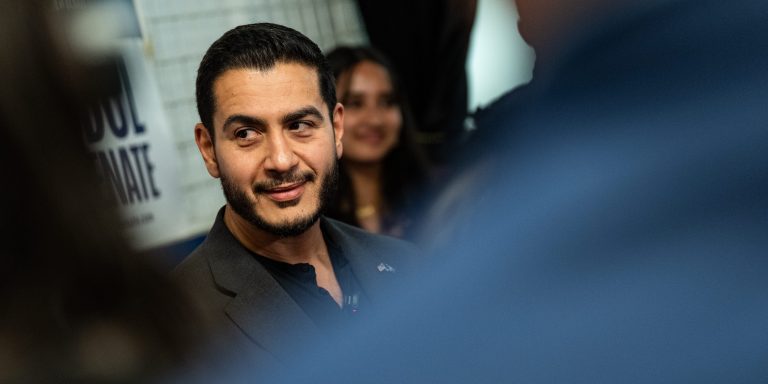
In Michigan, Dr. Abdul El-Sayed made history as the first Muslim U.S. senator, running on a platform that confronted Islamophobia directly. In Texas, progressive challenger James Talarico unseated incumbent Ken Paxton despite a flood of dark-money ads funded by elite donors. Maine saw Troy Jackson unseat Senator Susan Collins after a campaign dominated by voter fatigue over outside spending, while Florida Democrat Keisha Lance Bottoms came within striking distance of a gubernatorial win.
Why This Matters
The results signal a clear voter demand for economic justice, civil rights protections, and an end to fear-based campaign tactics. The rejection of anti-trans and anti-immigrant messaging in swing and red states alike suggests that voters prioritize tangible improvements over culture-war distractions. Additionally, the historic wins expand representation and may influence future legislative priorities on healthcare, voting rights, and foreign policy.
Key Takeaways
- Voter anger over wealth inequality and campaign financing was a dominant theme, with many voters citing out-of-touch spending as a deciding factor.
- Historic firsts included the election of the first Muslim U.S. senator and significant gains in Black and women's representation.
- Anti-trans and anti-immigrant campaign strategies failed to deliver expected results, particularly in Texas and Maine.
- Democratic candidates who focused on kitchen-table issues like health care, housing, and wages outperformed those reliant on negative advertising.
- The party's governing mandate now comes with pressure to deliver on promises without relying on fear-based politics.
Conclusion
As Democrats settle into their new majority, the election results make one thing clear: voters want action, not slogans. The challenge for the party will be translating this midterm momentum into concrete policy wins while maintaining the broad coalition that carried them to victory. How Democrats navigate that balance in the coming years will likely determine the political landscape through the next presidential cycle.





Discussion
Join the conversation
Thoughtful reactions, questions, and follow-up ideas help shape the next story.