Introduction
Prediction markets are stepping into the mainstream, with real-time odds appearing across major news broadcasts. Yet a strong majority of Americans remain skeptical about wagering on election outcomes, according to recent polling.
What Happened
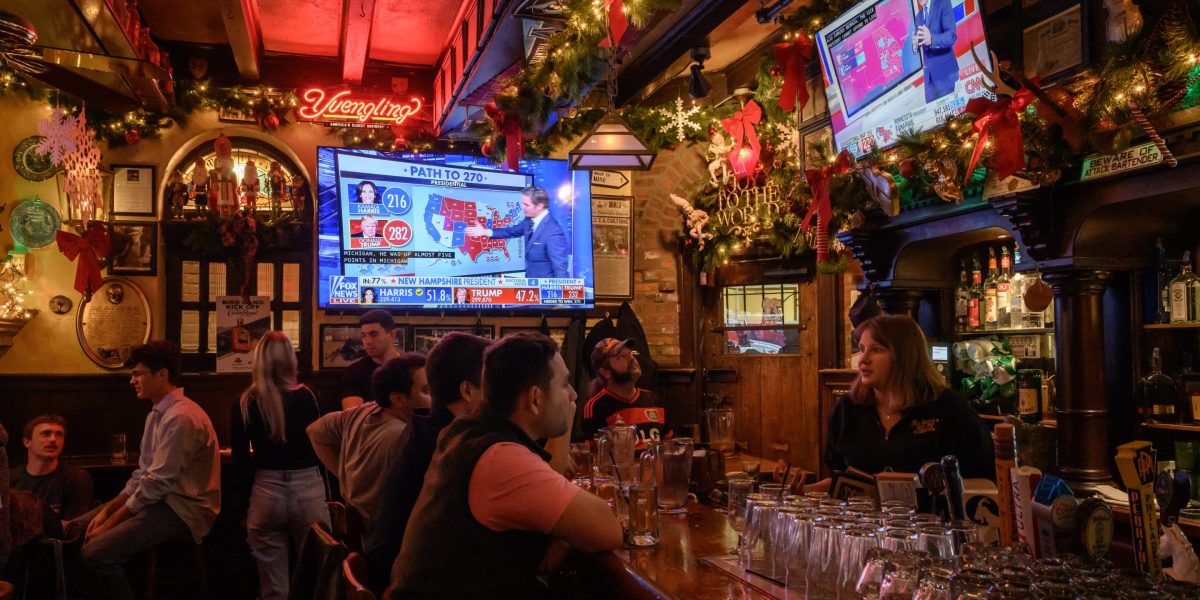
A Reuters/Ipsos survey fielded from Sept. 30 through Oct. 5 shows six in ten U.S. adults reject the idea of betting on election results through prediction markets, with 13% expressing support and roughly a quarter expressing uncertainty. The findings come as CBS News announced it would integrate live Kalshi prices into its midterm election broadcast, joining CNN and CNBC, which already feature the odds. The integration reflects a broader shift as media companies embed probabilistic forecasts into their programming, even as audience resistance persists.
Why This Matters
Poll results indicate 69% of Democrats and 61% of Republicans opposed election betting, reflecting a broad partisan divide. Approximately 75% of participants classify prediction-market wagering as gambling, and just 7% reported having placed a bet on such a market. Despite this resistance, trading activity has surged: combined monthly volume on Kalshi and Polymarket more than doubled from May to July, driven largely by sports markets. Analysts note that while election markets distill polling and news into a single probability, they lack the frequent events and rapid shifts that fuel sustained engagement in sports betting.
Key Takeaways
- Sixty percent of American adults oppose election betting, according to a recent Reuters/Ipsos poll.
- Major news networks including CBS and CNN are integrating real-time prediction-market odds into their election coverage.
- Opposition to election betting spans both major parties, and most respondents classify prediction-market wagering as gambling.
- Trading volume on prediction platforms has grown rapidly, though a small group of accounts drives most activity.
- Experts caution that election odds reflect probabilities, not certainties, and warn against treating high chances as guaranteed outcomes.
Conclusion
As midterms approach and more networks adopt live odds, the tension between public skepticism and market expansion will likely persist. Whether prediction markets become a staple of political coverage or remain a niche feature depends on how audiences reconcile their discomfort with the growing visibility of election probabilities.



Discussion
Join the conversation
Thoughtful reactions, questions, and follow-up ideas help shape the next story.