Introduction
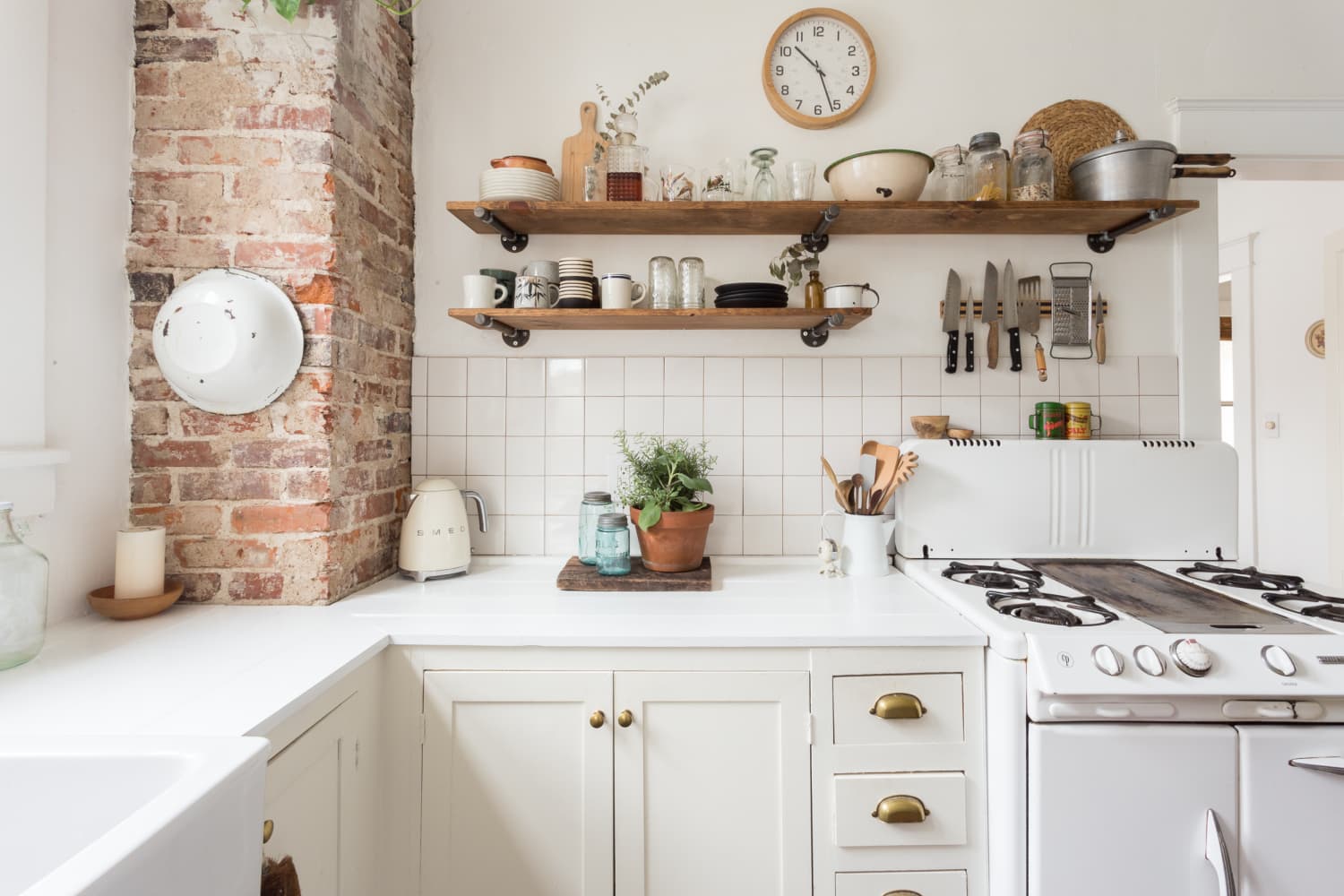
First impressions in the kitchen happen in seconds, and according to psychologists and designers, that initial glance can shape how welcoming and stylish the space feels. Whether you're hosting guests or preparing to sell your home, understanding what captures attention immediately is key to creating a positive impact.
What Happened
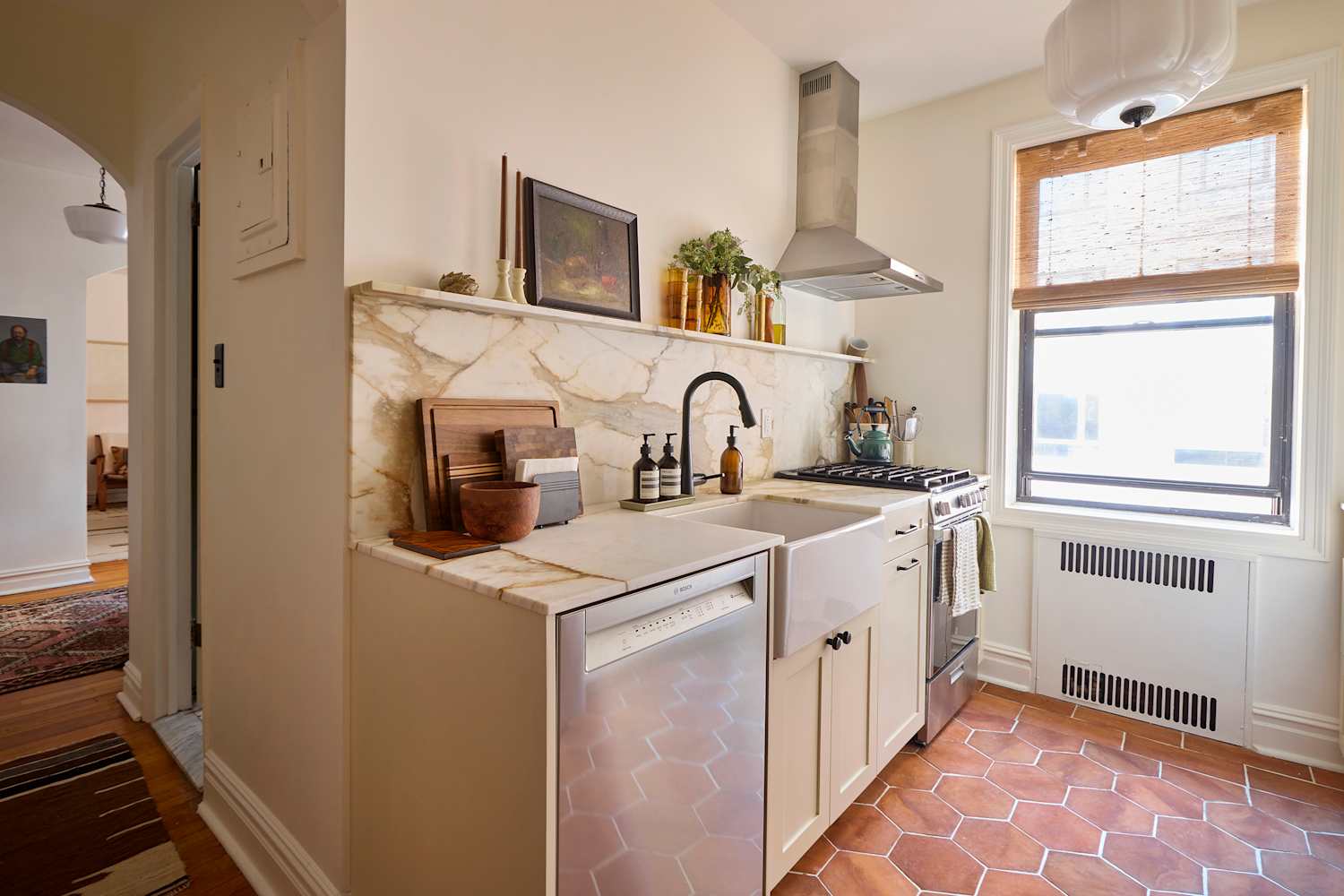
A recent Apartment Therapy feature gathered insights from behavioral specialists and design experts to identify what guests notice first in a kitchen. Psychologist Dr. Leslie Sanders notes that countertop cleanliness often tops the list of immediate observations, as counters serve as a natural focal point. Designer Alecia Taylor agrees, warning that a messy counter can make guests question the space's usability. The article also examines how harsh fluorescent lighting can strip warmth from a room, and how traditionally popular all-white kitchens risk feeling generic rather than personalized. Experts further shared six practical approaches to elevating kitchen appeal, ranging from storage optimization to strategic color choices.
Why This Matters
Beyond aesthetics, the psychological impact of kitchen design influences mood, stress levels, and even social interaction. Environmental psychology suggests that a well-organized, thoughtfully designed kitchen can reduce anxiety and promote a sense of calm. For those preparing to sell, a welcoming kitchen layout can be a decisive factor in buyer perception and overall offer value. The article emphasizes that intentional design choices such as layered lighting, curated decor, and purposeful color palettes translate into tangible emotional benefits for both residents and visitors alike.
Key Takeaways
- Clear countertops reduce visual chaos and make the space feel more open and less stressful.
- Layered lighting, including under-cabinet LEDs and dimmable fixtures, can transform a kitchen's mood from harsh to cozy.
- Smart storage solutions, such as appliance garages and sleek cabinets, keep essentials accessible while maintaining clean sightlines.
- Thoughtful color accents, from soft neutrals to muted earth tones, add personality without overwhelming the room.
- Small aesthetic upgrades, like new hardware, a refreshed backsplash, or a touch of greenery, deliver high visual impact with minimal effort.
Conclusion
Creating a kitchen that feels inviting and psychologically comfortable does not require a full renovation. By focusing on countertop clarity, strategic lighting, and personal design touches, anyone can transform their space into one that welcomes guests and supports daily well-being. As experts confirm, the simplest adjustments often leave the strongest, most lasting impressions.







Discussion
Join the conversation
Thoughtful reactions, questions, and follow-up ideas help shape the next story.