Introduction
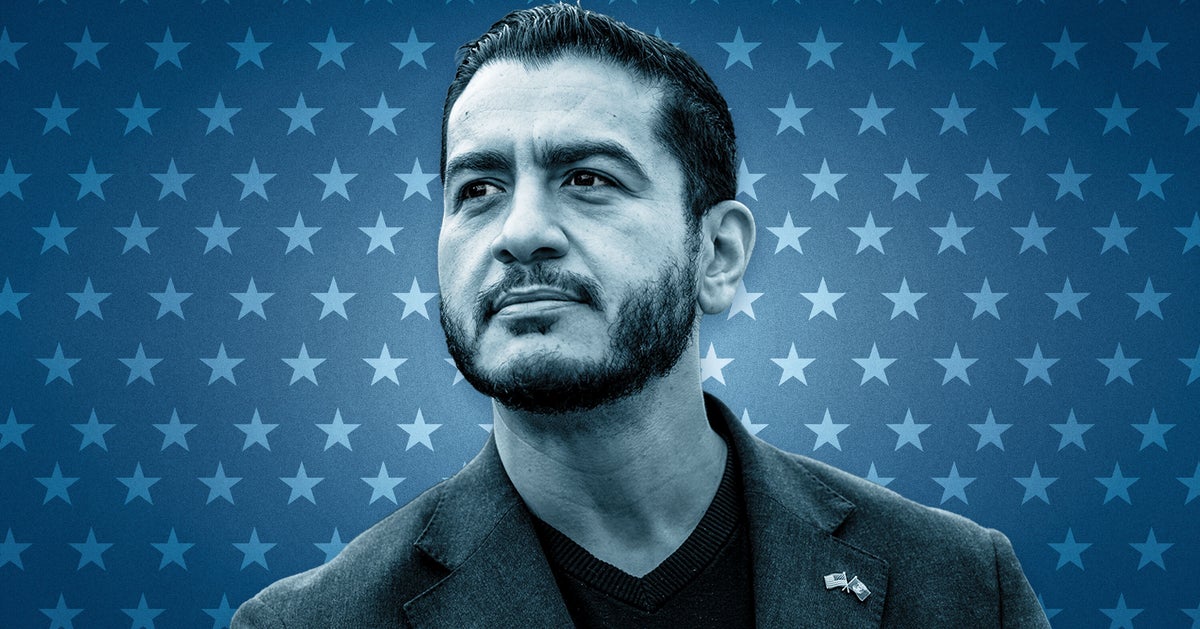
The 2026 Michigan Senate race became a defining moment for the Democratic Party, highlighting deep fractures over identity, ideology, and loyalty. Abdul El-Sayed's unexpected victory over Republican Mike Rogers reshaped the upper chamber's composition while exposing intense internal party conflict.
What Happened
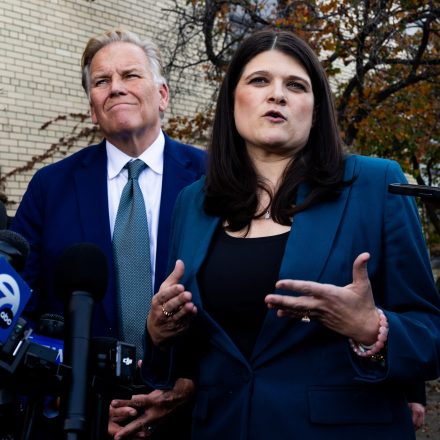
El-Sayed secured a hard-fought win after months of sustained anti-Muslim rhetoric from opponents and, unexpectedly, from within his own party. Haley Stevens, once seen as a rising Democratic star, withdrew her endorsement and threw her support behind Rogers in the final days, a move that sparked outrage across the caucus. Despite the hostility, El-Sayed prevailed, becoming the first Muslim elected to the U.S. Senate and securing Democratic control of the chamber.
Why This Matters
The race underscored how quickly partisan loyalty can override principle, and how Islamophobia remains a potent, undercurrent force in American politics. Stevens' abrupt pivot drew sharp rebukes from colleagues and activists alike, revealing a rift between the party's progressive wing and its centrist establishment. The outcome signals that voters prioritized representation and integrity over establishment calculations, potentially reshaping Democratic strategy for future cycles.
Key Takeaways
- El-Sayed's victory marks a historic first for Muslim representation in the Senate.
- Stevens' endorsement of Rogers triggered a swift and severe backlash from party leaders and grassroots supporters.
- The contest laid bare ongoing tensions within the Democratic Party regarding Islam, Israel, and electoral strategy.
- Voters rejected overt bigotry, sending a clear message about the political cost of Islamophobic rhetoric.
- The race's outcome may influence how the party navigates future candidatures from marginalized communities.
Conclusion
El-Sayed's win is more than a single-seat gain; it's a testament to the power of perseverance against entrenched prejudice and political betrayal. As the Democratic Party grapples with its identity post-midterms, the events in Michigan offer a stark reminder that unity built on exclusion is unsustainable. The party's next steps will determine whether it can reconcile its progressive aspirations with its centrist realities, or whether internal divisions will continue to undermine its electoral prospects.




Discussion
Join the conversation
Thoughtful reactions, questions, and follow-up ideas help shape the next story.