Introduction
A federal judge didn't hold back when the Justice Department appeared before her Monday over a controversial tree-cutting at a historic Washington, D.C., golf course. The ruling highlights a growing clash between executive action and preservation efforts.
What Happened
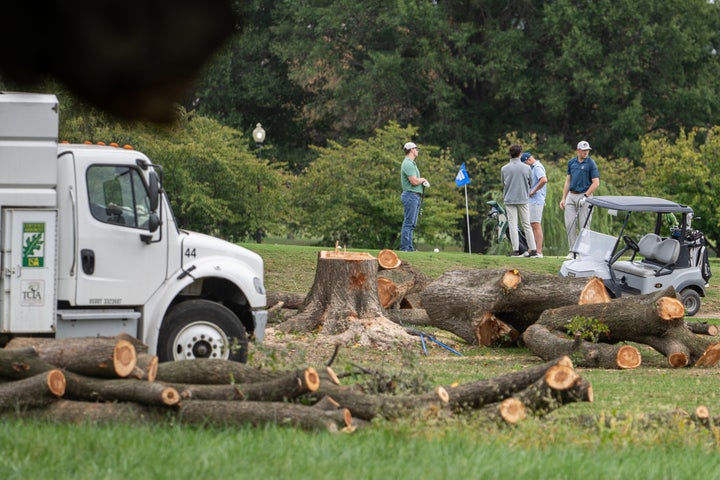
During a hearing for a temporary restraining order, Judge Ana Reyes expressed fury that the government removed 529 trees at East Potomac Golf Links over the weekend without adequate notice. The felling occurred just days after the administration announced plans to transform the century-old public course into a championship showcase.
Reyes told DOJ lawyers she had repeatedly trusted the government not to proceed without warning plaintiffs, only to discover the tree removal had already happened. She imposed a temporary pause on further cutting, warning that even a two-second violation could trigger contempt proceedings.
According to reporting, DOJ attorneys admitted they first learned of the plan on Wednesday before the Saturday removal, raising questions about communication and transparency.
Why This Matters
The tree removal is part of a broader effort by the Trump administration to overhaul the historic golf course, which is owned by the federal government and managed by the National Park Service. Preservationists argue the project violates environmental laws and threatens a priceless piece of American history.
Kevin Greiss, a Biden-appointed superintendent with the National Park Service, testified that the cutting was part of a 2019 plan predating the current administration's golf course project, suggesting the timing may have been politically accelerated.
The D.C. Preservation League filed the original lawsuit in February, accusing the administration of destroying historical integrity under the guise of development.
Key Takeaways
- Judge Reyes temporarily halted further tree removal and warned the government of strict consequences if the order is breached.
- The DOJ acknowledged delayed notification, having learned of the specific removal date only days in advance.
- The preservation lawsuit claims the project would irreparably destroy a historic site, while officials argue it is a long-planned renovation.
- The case underscores tensions between executive-led site changes and institutional preservation mandates.
Conclusion
The judge's sharp rebuke signals that procedural failures will not be tolerated, especially when dealing with federally protected historic sites. As the legal battle continues, observers should watch whether the preservation league can sustain its injunction and what the final outcome means for future federal park and golf course projects.
Readers following the story should keep an eye on court filings and any further notices from the National Park Service regarding the site's future.








Discussion
Join the conversation
Thoughtful reactions, questions, and follow-up ideas help shape the next story.