Introduction
The Federal Government of Nigeria has taken significant steps to expand last-mile electricity access in Gombe State, commissioning a 1-megawatt solar mini-grid with battery storage while breaking ground on four new mini-grid projects totaling 16 megawatts. The initiatives target rural communities and aim to link reliable power with local economic activity.
What Happened
On Saturday, the government commissioned a 1MW solar mini-grid equipped with a 2.4MWh battery energy storage system in Tallasse, Balanga Local Government Area. The project includes productive-use assets such as electric tricycles, an electric groundnut processing plant, a modular rice mill, and electric flour grinders. Simultaneously, construction began on four interconnected mini-grid projects across Dukku, Bajoga, Kumo, and Kaltungo, bringing a combined 16MW of capacity to underserved areas.
Why This Matters
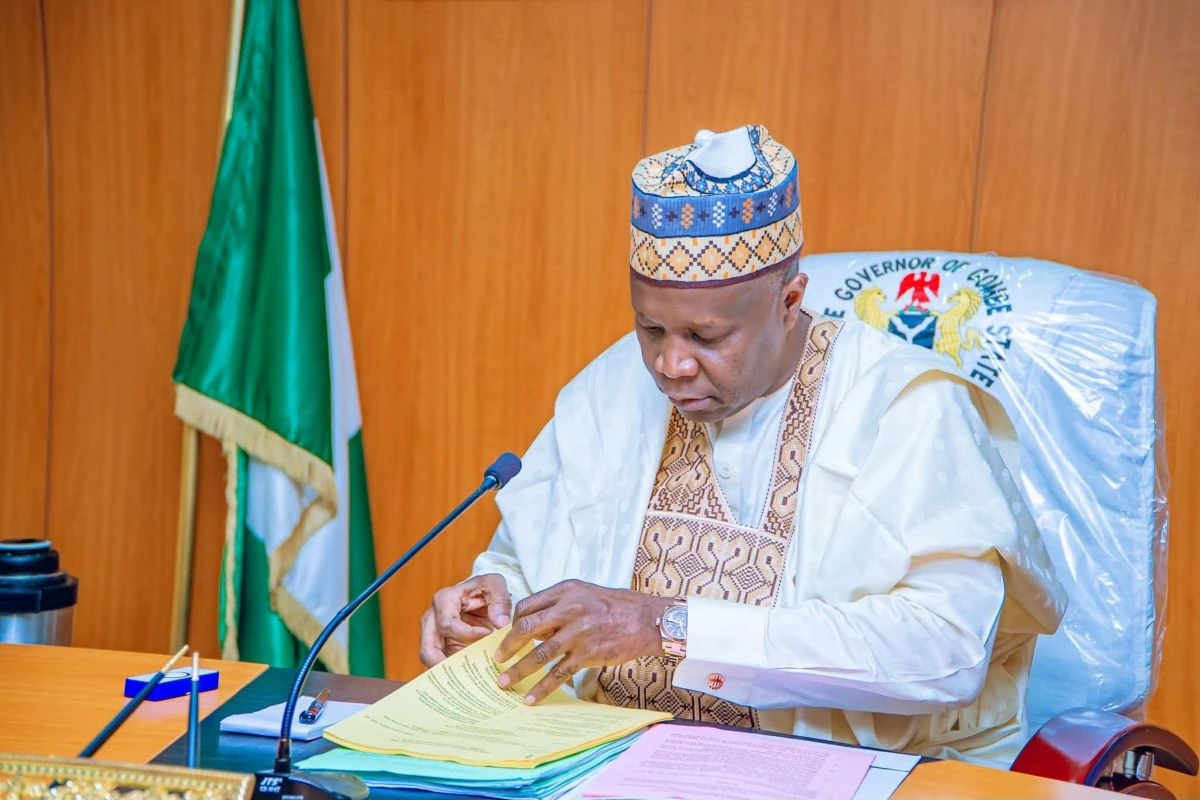
Beyond simply adding megawatts, the projects focus on turning electricity into economic opportunity. Governor Muhammadu Inuwa Yahaya emphasized that reliable power combined with agricultural processing can strengthen local businesses and create jobs. REA Managing Director Abba Aliyu noted the shift from measuring connections to measuring real-world impact, highlighting how storage and productive equipment improve reliability and income for farmers and entrepreneurs. The initiatives align with President Tinubu's Renewed Hope Agenda to extend prosperity beyond urban centers.
Key Takeaways
- A 1MW solar mini-grid with 2.4MWh battery storage was commissioned in Tallasse, Gombe State.
- Four new mini-grid projects with 16MW total capacity will serve Dukku, Bajoga, Kumo, and Kaltungo.
- Productive-use equipment including electric tricycles, rice mills, and processing plants will connect electricity to agriculture and small businesses.
- REA is shifting focus from connection counts to economic outcomes and reliability.
- The initiatives support the federal government's goal of expanding electricity access to underserved communities.
Conclusion
The simultaneous commissioning and groundbreaking in Gombe signal a renewed commitment to distributed renewable energy as a tool for rural development. By pairing infrastructure with productive equipment and storage, the government aims to ensure that electricity directly translates into economic growth, improved productivity, and better quality of life for communities that have long waited for reliable power.







Discussion
Join the conversation
Thoughtful reactions, questions, and follow-up ideas help shape the next story.