Introduction
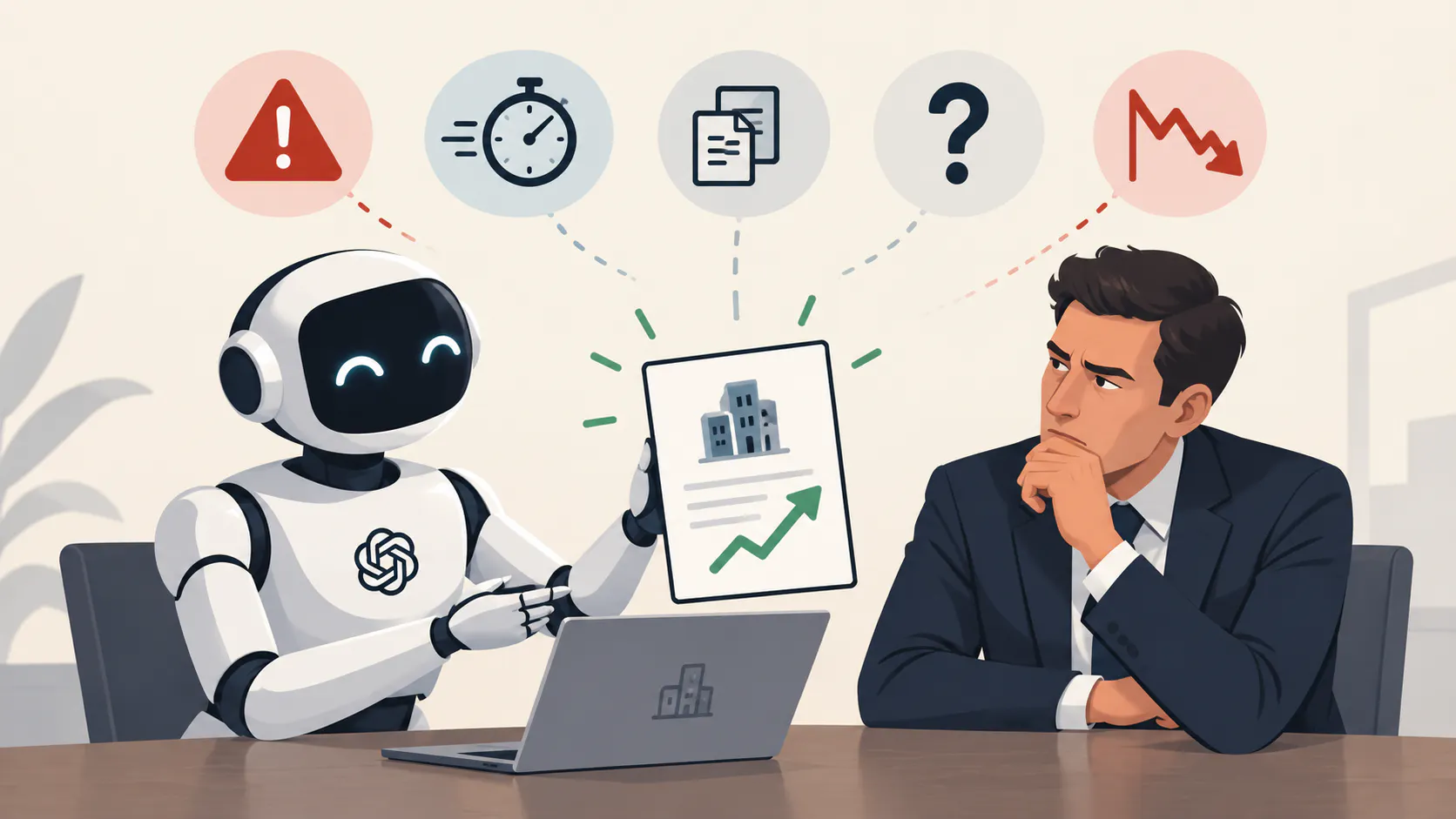
Artificial intelligence is reshaping venture capital, introducing both speed and new blind spots into deal-making. While AI agents can process vast amounts of data in seconds, the rush to automate diligence has outpaced the safeguards meant to keep decisions reliable.
What Happened
AI adoption in venture capital accelerated rapidly. In the first quarter of 2026, AI startups captured roughly 80 percent of global venture funding. Tools that scan deal flow, draft summaries, and flag opportunities have become common across firms. However, the speed of adoption outpaced the development of safeguards, leaving many decisions vulnerable to unseen errors.
Why This Matters
The consequences of unchecked AI influence in investing are significant. A Stanford study found error rates of 69 to 88 percent on complex legal questions, yet models deliver answers with the same confident tone whether they are right or wrong. When research that once took weeks now completes in minutes, fewer eyes review the material before decisions are made. Regulators have taken note, with FINRA 2026 oversight report warning about accuracy and the risk of agents acting beyond the scope anyone actually intended.
- Reduced oversight Faster research means fewer reviewers.
- Convergent conclusions Similar data sources lead to similar outcomes across funds.
- Explainability gap Many agents cannot clarify why they reached a specific recommendation.
Key Takeaways
Five distinct risks shape the current landscape. First, confidence does not equal correctness; models can state incorrect information with calm assurance. Second, speed removes the friction that used to catch mistakes, compressing review cycles and reducing human scrutiny. Third, when multiple funds use agents trained on similar data, their conclusions converge, creating unintentional groupthink that funnels capital toward the same companies. Fourth, the lack of transparent reasoning means the model recommended it is not a defensible justification. Fifth, models trained on normal market conditions often fail when stress appears, exactly when sound judgment matters most.
Conclusion
AI agents can save valuable time on research, and that benefit should not be dismissed. Yet every risk outlined above stems from the same root: treating a fast answer as a finished one. The decision to commit capital remains a human responsibility, and due diligence should never be outsourced entirely. The tools will keep evolving, but the need for careful oversight has not changed.







Discussion
Join the conversation
Thoughtful reactions, questions, and follow-up ideas help shape the next story.