Introduction
S., a woman in her thirties, grew up in Canada after fleeing violence in Pakistan and Somalia. Her early life was marked by loss and a search for belonging, which led her toward religion and, eventually, toward the shadows of extremism. What began as a quest for community and peace would become a dangerous journey into the heart of the Islamic State and ultimately, a path back home.
What Happened
In 2014, seeking refuge and a chance to practice her faith freely, S. traveled to Turkey and was smuggled into ISIS-controlled territory in Syria. She arrived in Raqqa, the group's self-declared capital, where she witnessed public executions and lived under strict extremist rule. Forced into marriage and confined against her will, she plotted an escape with another woman, fleeing into conflict zones and surviving amid brutal fighting, including the final siege of Baghuz, where ISIS made its last stand.
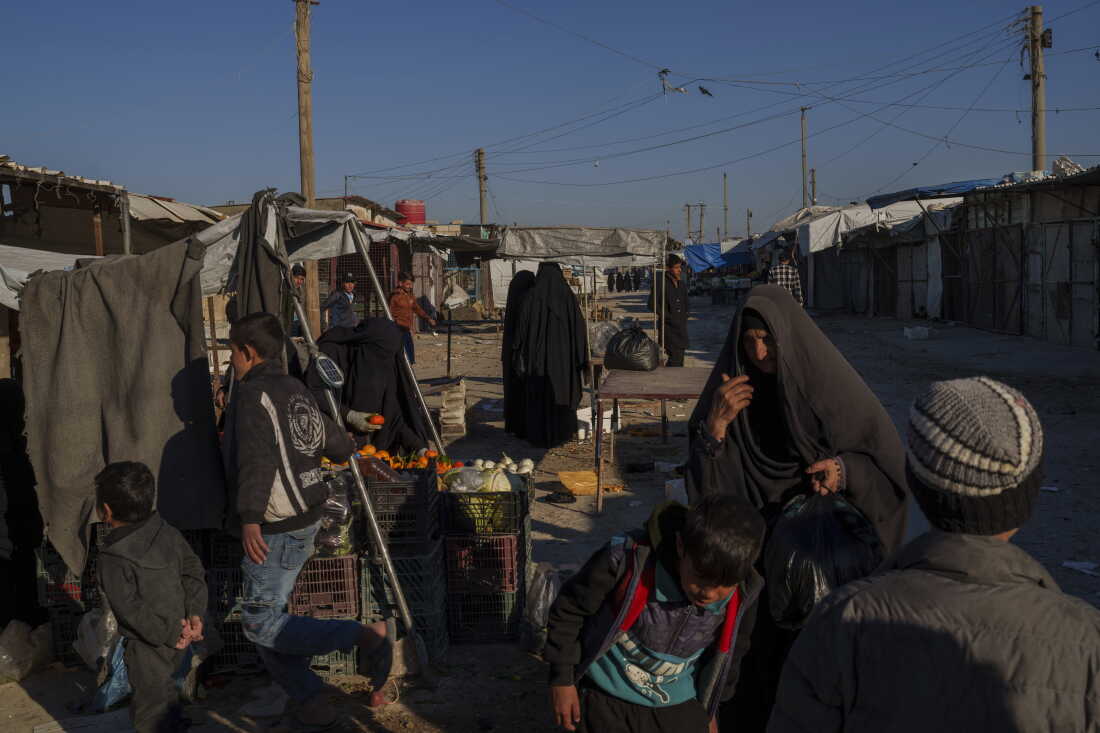
After surrendering to Kurdish forces, she was transferred to al-Hol detention camp, where tens of thousands of women and children linked to ISIS were held. There, she made a pivotal decision to cooperate with authorities, working undercover as an informant to help identify and rescue children trapped in the camp's extremist environment.
Why This Matters
S.'s transformation from ISIS bride to informant highlights the complex realities of extremism, radicalization, and recovery. Her firsthand account offers rare insight into how recruitment happens, how families are affected, and how intelligence cooperation can lead to the rescue of vulnerable children. Her cooperation helped secure the release of an American child and others, demonstrating the impact a single individual can have on global counter-extremism efforts.
Key Takeaways
- S. joined ISIS in 2014 under the belief she was seeking a Muslim utopia, but instead faced violence, confinement, and abuse.
- She escaped with her daughter during the fall of Raqqa and endured the final battles of ISIS in Baghuz.
- Inside al-Hol camp, she became an informant, risking her life to help authorities identify and free children held by extremists.
- Her efforts contributed to the release of an American girl and facilitated her own return to Canada after a year-long separation.
- Today, S. lives under a new identity, works in skincare, and refuses to engage with her past, focusing instead on a future she once thought impossible.
Conclusion
S.'s story is a testament to the possibility of redemption and the power of individual action in the face of extreme radicalization. Her journey from a young woman seeking purpose to a cooperative witness for justice underscores the importance of compassionate de-radicalization and the ongoing need to protect children from exploitation by extremist groups. While her past remains controversial to some, her current work and commitment to safety reflect a profound personal transformation.



Discussion
Join the conversation
Thoughtful reactions, questions, and follow-up ideas help shape the next story.