
Introduction
Reporting from the ground during the final days before the 2026 midterms, this post captures the evolving atmosphere at campaign rallies and voting sites where former President Donald Trump remained a central figure. Correspondents documented voter interactions, campaign dynamics, and the palpable shift in tone across key battleground regions.
What Happened
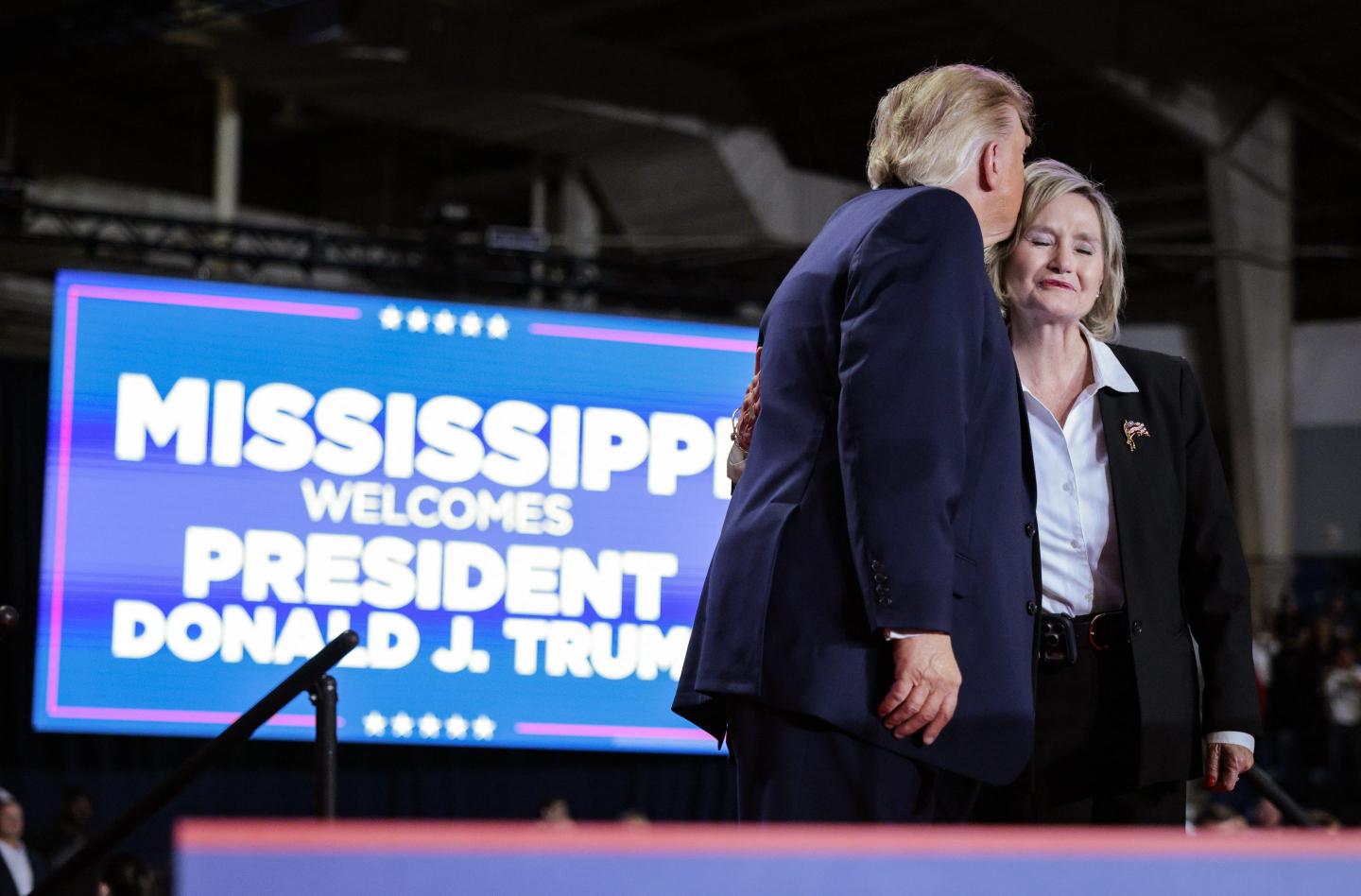
At a rally in Chillicothe, Ohio, held six days before the midterms, supporters gathered in a venue designed for 2000 attendees. Veteran backer Jacob Hawk, a self-employed landscaper, shared his struggles with rising fuel costs and caring for his autistic son, while Republican candidate Vivek Ramaswamy nodded along before heading to a stage shared with President Donald Trump. Trump's remarks meandered from body commentary on Senate candidate Jon Husted's physique to tangents about the White House renovation, the Haitian community in Springfield, and controversial figures like Jeffrey Epstein. Protesters inside and outside the arena shouted back and forth, and a brief altercation saw a supporter knock a protester to the ground. By the event's end, the lawn had emptied, vendors discounted MAGA merchandise, and many attendees left with a sense of unresolved tension.
Why This Matters
The Ohio rally illustrated a broader pattern: even in states Trump won decisively two years prior, the enthusiasm gap was evident. Voters cited high gas prices, inflation, and foreign policy decisions particularly the U.S. involvement in conflict with Iran as pressing concerns. Some blamed market forces; others pointed to congressional limits on domestic drilling. The smaller crowd size and the mix of steadfast and uncertain supporters reflected a shifting dynamic as the midterms approached.
Key Takeaways
- Voter sentiment at Trump rallies has grown more uncertain, with personal economic concerns outweighing the fervor of earlier events.
- Key issues driving voter anxiety include fuel costs, inflation, and foreign policy decisions regarding Iran.
- Republican candidates in Ohio and Pennsylvania faced an uphill battle as the anticipated red wave failed to materialize, and Democrats flipped key seats.
- Personal stories from autistic children to disabled benefit cuts intersect with broader political shifts, highlighting the human side of the 2026 results.
- Even in reliably red states, the 2026 midterms revealed a noticeable erosion of the previous electoral momentum.
Conclusion
The ground reporting from Ohio and Pennsylvania captures a political moment where long-time Trump supporters grapple with new anxieties, and the anticipated red wave fell short across multiple states. As the dust settles, the 2026 midterms stand as a testament to how quickly voter sentiment can shift when economic and foreign policy concerns take center stage.







Discussion
Join the conversation
Thoughtful reactions, questions, and follow-up ideas help shape the next story.