Introduction
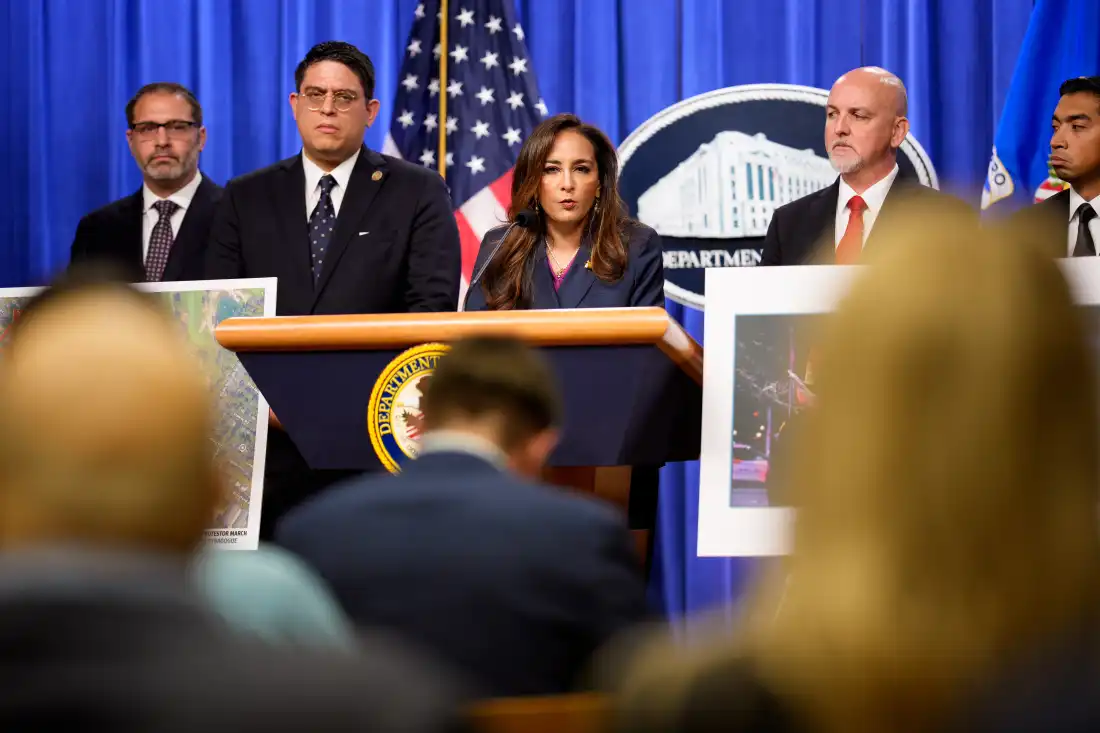
\nHarmeet Dhillon has resigned as the head of the Justice Department's Civil Rights Division, concluding an 18-month tenure marked by sweeping policy shifts and intense controversy. Her departure comes amid a broader realignment within the federal government following recent midterm elections.
\nWhat Happened
\nDhillon announced her resignation in a statement to department staff, citing a desire to return to private practice after advising former President Donald Trump. Attorney General Todd Blanche confirmed the news on X, praising Dhillon's service and emphasizing the division's continued mission. The resignation follows a period in which Dhillon redirected the Civil Rights Division toward conservative priorities, including aggressive enforcement against what she described as gender ideology extremism and antisemitism.
\nDuring her time in office, Dhillon oversaw the departure of approximately 300 career attorneys, replacing them with ideological allies, and pursued numerous lawsuits against states and universities. Her agenda focused on ending what she termed woke policies, protecting women's sports, and challenging perceived anti-Christian bias.
\nWhy This Matters
\nThe Civil Rights Division, established nearly 70 years ago, has historically defended constitutional rights across housing, employment, education, and policing. Dhillon's leadership represented a dramatic pivot, narrowing the division's focus and drawing sharp criticism from former staff and voting rights advocates. Her departure may signal a shift back toward the division's traditional mission, though the long-term impact of her policy changes remains under evaluation.
\nFormer division attorney Stacey Young called Dhillon the most destructive, lawless, and hateful head of the Civil Rights Division in DOJ history, arguing that the tenure weakened the office's credibility and operational capacity.
\nKey Takeaways
\n- \n
- Dhillon resigned after 18 months leading the Civil Rights Division under the Trump administration. \n
- She oversaw the exit of roughly 300 career attorneys and replaced them with ideological allies. \n
- The division redirected its enforcement toward conservative priorities, including school policies and campus antisemitism cases. \n
- Attorney General Todd Blanche and Dhillon both issued public statements thanking her for her service. \n
- Her resignation marks the first senior DOJ departure since Democrats regained control of Congress in the midterms. \n
Conclusion
\nDhillon's resignation closes a contentious chapter at the Justice Department's Civil Rights Division. As the agency moves forward, the balance between its historic civil rights mandate and the policy shifts of recent months will likely shape its future direction. Observers will be watching how the division rebuilds its workforce and restores its traditional mission in the coming months.






Discussion
Join the conversation
Thoughtful reactions, questions, and follow-up ideas help shape the next story.