Introduction
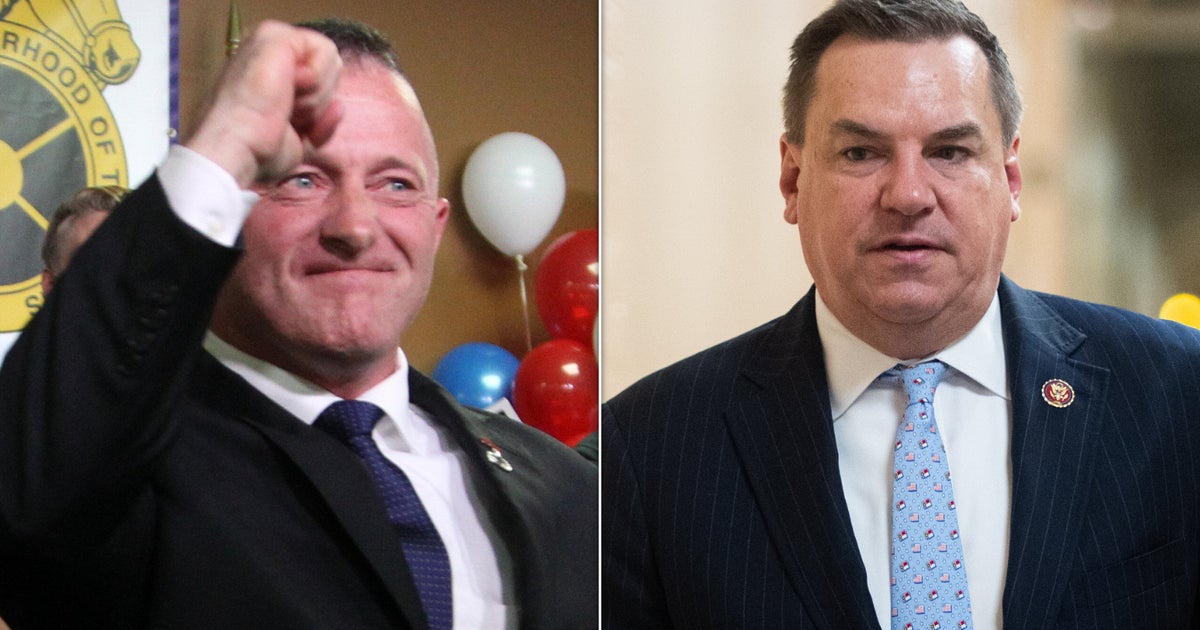
In a surprising turn that reshapes North Carolina's political landscape, Democrat Richard Ojeda has defeated Republican Richard Hudson, chair of the National Republican Congressional Committee, in the state's 9th Congressional District. The victory ends decades of Republican hold on the seat.
What Happened
Republican Rep. Richard Hudson, who had led the NRCC since 2013, conceded defeat to Ojeda Wednesday afternoon, calling the challenger to concede. Ojeda, a retired Army major and former West Virginia state senator who briefly ran for president in 2020, held a narrow lead of roughly two percentage points according to NBC News and The Associated Press. His win marks the first time a Democrat has represented the district since 1963.
Why This Matters
The flip represents a significant shift in a district long considered a Republican stronghold. Ojeda's victory could influence party strategy in future congressional contests and underscores the changing demographics and voter sentiment in key swing areas of North Carolina. It also highlights the challenges facing party leadership in maintaining congressional seats against well-funded, high-profile challengers.
Key Takeaways
- Ojeda becomes the first Democrat to hold North Carolina's 9th District since 1963.
- The race was decided by approximately two percentage points, according to NBC News and The Associated Press.
- Hudson, as NRCC chair, played a central role in Republican campaign infrastructure nationwide.
- Ojeda's background as a retired Army major and 2020 presidential candidate brought national attention to the contest.
- The victory signals potential headwinds for Republican incumbents in competitive North Carolina districts.
Conclusion
Richard Ojeda's win over Richard Hudson marks a historic shift in North Carolina's congressional landscape. As the new representative for the 9th District, Ojeda will face the task of delivering for his constituents while navigating a highly polarized political environment. The outcome may also prompt both parties to reassess strategies in upcoming election cycles.





Discussion
Join the conversation
Thoughtful reactions, questions, and follow-up ideas help shape the next story.