Introduction
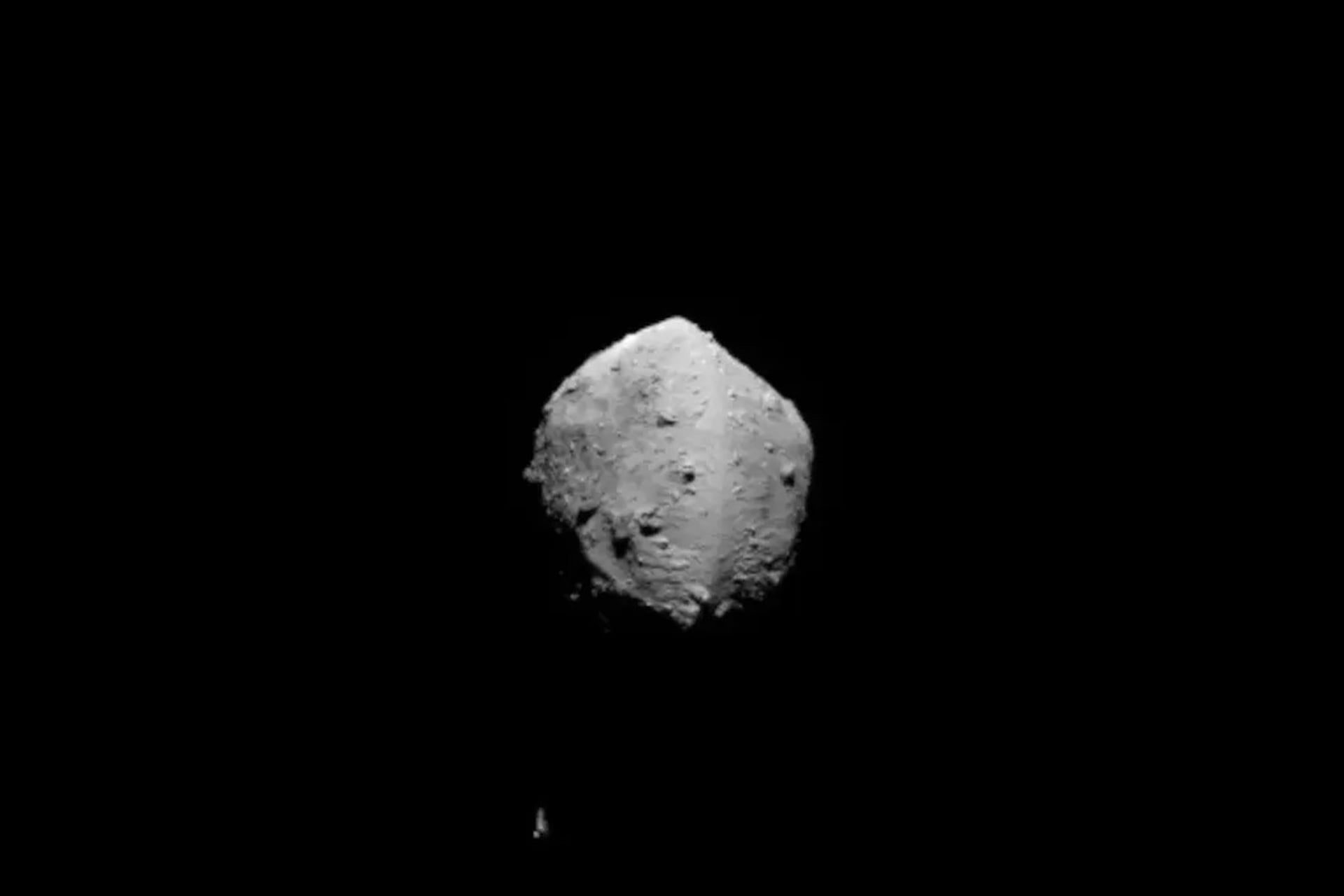
Europe's Hera mission has returned the first close-up images of Didymos, revealing the asteroid's hidden side for the first time since NASA's DART spacecraft impacted its companion two years ago.
What Happened
In September 2022, NASA deliberately crashed a 1,260-pound spacecraft into Dimorphos, the 558-foot moonlet orbiting the larger 2,625-foot asteroid Didymos. The impact shortened Dimorphos's orbital period and created a dramatic new landscape. Two years later, Hera is now mapping the aftermath from just 60 kilometers away.
Why This Matters
The data Hera gathers will help scientists determine whether asteroid deflection can become a reliable planetary defense strategy. By studying the surface changes caused by the collision, researchers hope to refine models for protecting Earth from future threats.
Key Takeaways
- The first close-up image shows Didymos' hidden side, featuring a central equatorial ridge, numerous boulders, craters, and linear grooves or ridges.
- Features may have been shaped by debris ejected across the 0.6-mile gap between the two asteroids during the DART impact.
- Only a tiny sliver of Dimorphos is visible in the new photo, but future passes will provide a full view of the moonlet.
- Hera will spend at least six months surveying the Didymos system, systematically mapping all changes identified since the impact.
Conclusion
Hera's close-up views mark a new chapter in asteroid science, turning a one-time experiment into a long-term research opportunity. The mission's findings will help validate whether kinetic impact can serve as a dependable method for deflecting hazardous near-Earth objects.





Discussion
Join the conversation
Thoughtful reactions, questions, and follow-up ideas help shape the next story.