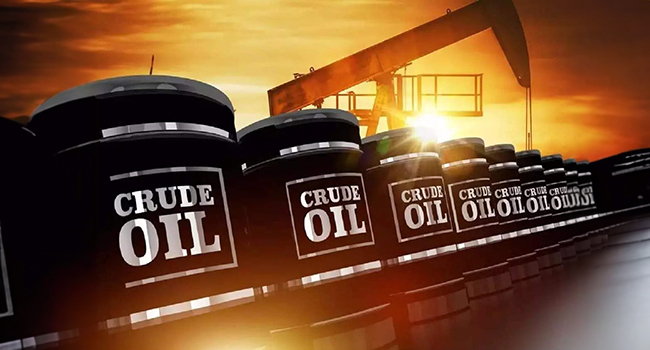
Introduction
The International Energy Agency and its member nations have drawn down a significant portion of global strategic oil reserves, releasing 325 million barrels to stabilize markets disrupted by recent geopolitical shocks.
What Happened
Over the past weeks, IEA countries coordinated a major oil release totaling 325 million barrels, falling short of the 400 million barrels pledged earlier this year. The move came alongside a G7 agreement to immediately dispatch an additional 100 million barrels of diesel and crude to counter supply concerns sparked by the US-Iran conflict.
Why This Matters
Strategic reserves serve as a critical buffer against supply disruptions. This latest release, coming short of earlier promises, highlights the difficulty of balancing immediate energy security needs with long-term reserve management. The G7's coordinated step underscores how quickly governments act when geopolitical instability threatens fuel availability.
Key Takeaways
- IEA members have so far released 325 million barrels, down from a 400 million barrel March commitment.
- A G7-led supplemental release of 100 million barrels aims to ease immediate diesel and crude shortages.
- The extent to which the new release overlaps with prior pledges remains unclear.
- Markets are closely watching whether additional releases will follow to maintain stability.
Conclusion
The latest IEA release signals continued reliance on strategic reserves as a short-term tool for energy market stabilization. As geopolitical tensions persist, the sustainability of such measures and their impact on global supply dynamics will remain a focal point for policymakers and investors alike.


Discussion
Join the conversation
Thoughtful reactions, questions, and follow-up ideas help shape the next story.