Introduction
The U.S. military is confronting an unprecedented crisis as the Iran conflict enters a new phase, with officials warning the war effort has pushed forces to the brink of breakdown. Relentless attacks, depleted resources, and stretched logistics have combined to threaten operational readiness across the Middle East.
What Happened
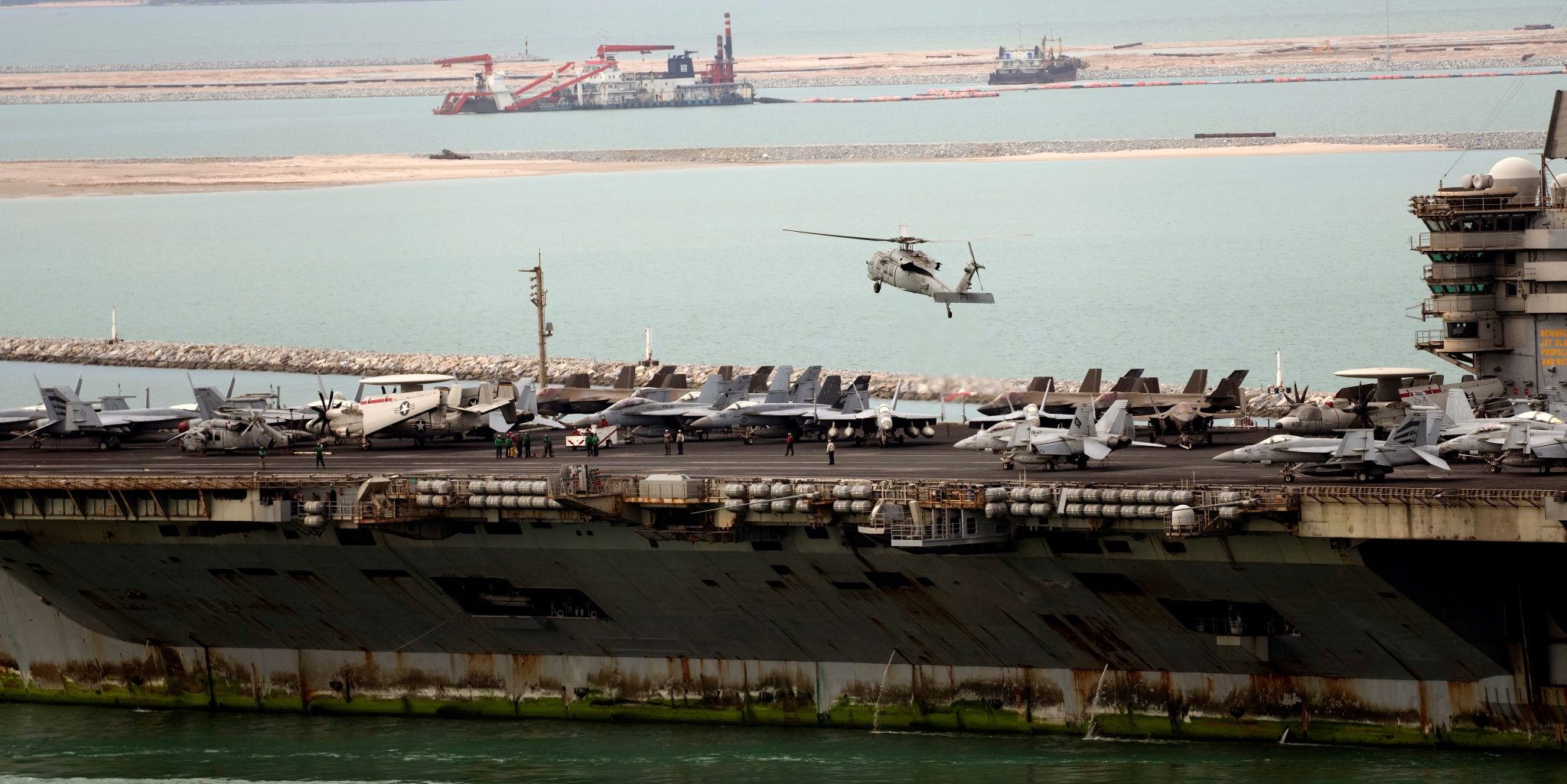
Since the conflict escalated, Iranian forces have targeted over a dozen U.S. installations across the Middle East, including naval bases, airfields, and warships. Attacks have ranged from ballistic missile strikes to drone swarms, overwhelming defense systems in several instances. The U.S. Navy's headquarters at NSA Bahrain was severely damaged, with officials admitting the facility was blown to pieces. Aircraft carriers such as the USS Abraham Lincoln and USS Nimitz have operated for months without port calls, forcing crews to endure extended deployments under persistent threat.
Logistics have collapsed under the weight of extended sea transits. With the Fifth Fleet base knocked out, the Navy has relied on Diego Garcia, resulting in 14- to 18-day supply cycles that have stretched crews and supply chains. A War Department inspector general report flagged the shift in support infrastructure as a major vulnerability.
Munitions stocks have been depleted at an alarming rate. U.S. forces burned through more than 11,000 munitions in the war's first 16 days, leaving Patriot and THAAD interceptors critically low. Central command officials have downplayed the shortfalls, but Pentagon inspectors confirm strategic inventory gaps and industrial base bottlenecks.
Why This Matters
The strain on U.S. forces has implications that extend beyond the Middle East. A military unable to sustain operations in the region risks broader strategic setbacks, especially as allies and partners monitor U.S. reliability. The situation also highlights the limits of current defense production, with advanced interceptor stocks dwindling faster than new supply chains can replenish them. Political leaders have clashed over the war's cost, with estimates suggesting the conflict could reach trillions of dollars by its conclusion.
Troop morale and health have also suffered. Carriers like the USS Gerald R. Ford and USS Abraham Lincoln have reported mechanical failures, unsanitary conditions, and rising mental health crises aboard ship. Families have voiced concerns over extended deployments, and some sailors have faced suicide risks, prompting warnings from naval leadership.
Key Takeaways
- U.S. officials confirm the Iran war has pushed the military to the brink of operational breakdown.
- More than a dozen U.S. bases and warships have been hit by Iranian missiles and drones since the conflict began.
- NSA Bahrain, the Fifth Fleet's headquarters, remains non-operational after severe damage, with repair costs estimated over $400 million.
- Carrier strike groups are operating far beyond normal deployment limits, with some crews enduring 11-month deployments without port visits.
- Defensive missile stocks such as Patriot and THAAD have been drastically reduced, leaving U.S. forces vulnerable to future attacks.
- Logistical reliance on Diego Garcia has created 14- to 18-day supply cycles that strain fleet readiness.
- Pentagon inspectors warn of strategic inventory shortfalls and industrial base bottlenecks that could affect future contingency operations.
Conclusion
The Iran conflict has revealed significant vulnerabilities in U.S. military planning, sustainment, and regional posture. As the war continues, the gap between official assessments and on-the-ground reality widens, raising urgent questions about sustainability, cost, and the long-term readiness of U.S. forces. Officials and lawmakers will need to confront these gaps if the military is to maintain credible deterrence in the region.



Discussion
Join the conversation
Thoughtful reactions, questions, and follow-up ideas help shape the next story.