Introduction
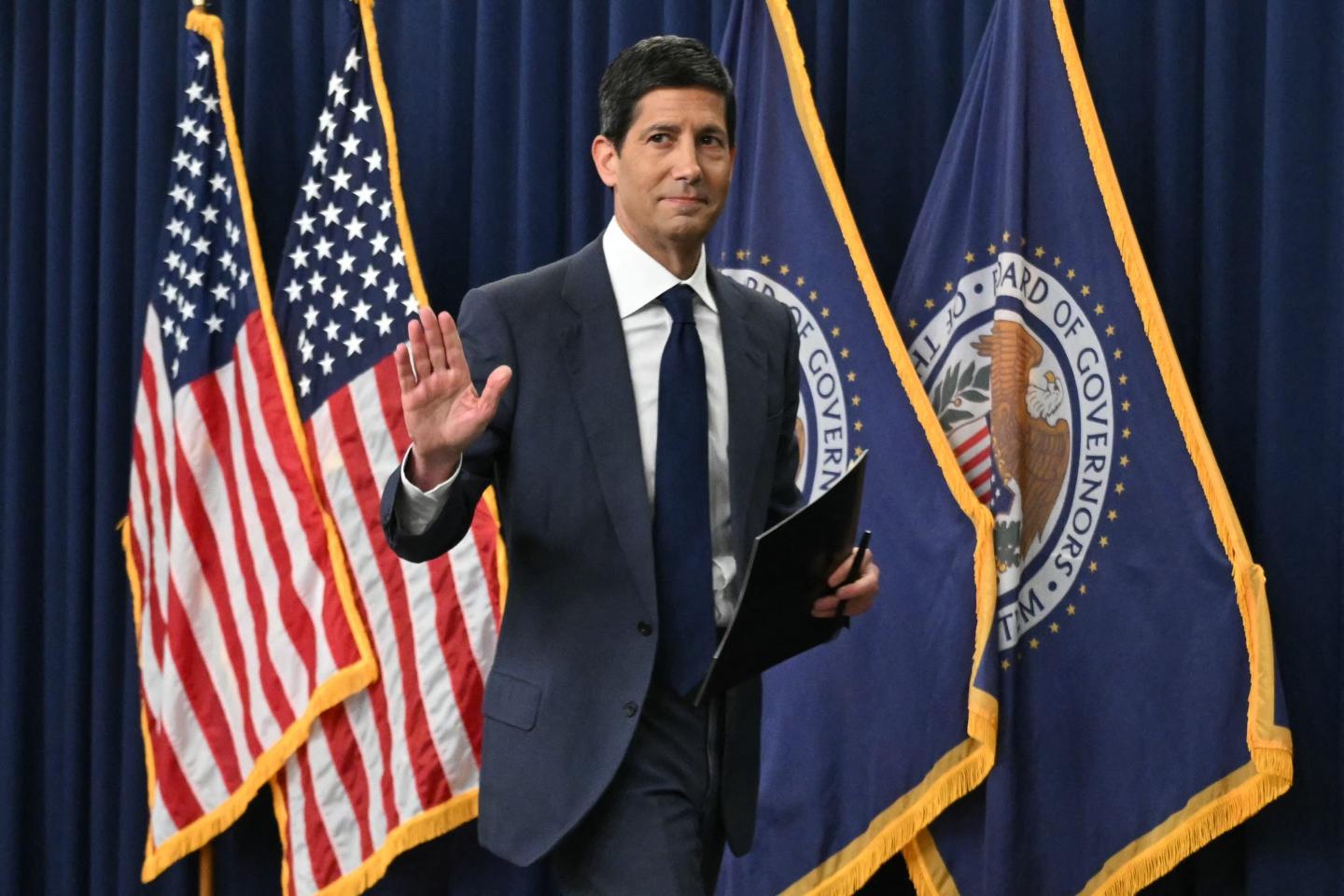
Federal Reserve Chair Kevin Warsh has been characterized as both hawk and dove but economist Robin Brooks argues the label misses the point. What matters most is how Warsh is managing long-term Treasury yields to keep U.S. debt costs from spiraling rather than focusing solely on inflation targets.
What Happened
Warsh's tenure has been defined by mixed signals. Expected to ease monetary policy he suggested the bond market could do the Fed's tightening work and explored alternative inflation gauges. After a hawkish Jackson Hole speech and a September rate hike he recently held off on another increase despite rising inflation leaving markets uncertain about the next policy decision.
Why This Matters
The real concern is the U.S. debt trajectory with gross debt above $40 trillion and publicly held debt at 100% of GDP. Interest payments already topped $1 trillion in fiscal year 2026 exceeding defense spending. Rising Treasury yields threaten to push interest costs above nominal GDP growth risking fiscal dominance where debt costs override the Fed's ability to fight inflation.
Key Takeaways
- Warsh's policy shifts reflect debt-cost management not a traditional inflation fight
- Rising yields could push effective interest rates above nominal GDP growth as early as fiscal year 2028
- Fed and Treasury appear coordinated to keep borrowing costs stable even if it means accepting higher inflation readings
- Fiscal dominance poses a long-term risk if debt costs outpace economic growth
- Temporary relief from the AI boom and strong nominal growth may not be enough for long-term sustainability
Conclusion
Warsh is neither hawk nor dove Brooks declared instead like Treasury Secretary Scott Bessent he's just trying to keep long-term yields manageable. Such management risks putting the U.S. on the path toward fiscal dominance where high debt and deficits override the Fed's ability to independently manage monetary policy and fight inflation. Economists point out that as long as nominal GDP growth remains above interest rates the U.S. can avoid a debt spiral where borrowing costs pile up faster than the economy expands.





Discussion
Join the conversation
Thoughtful reactions, questions, and follow-up ideas help shape the next story.