
Introduction
Markets are bracing for a pivotal week as oil prices retreat amid renewed diplomatic efforts around Iran. With a packed calendar of earnings, elections, and economic data, investors are recalibrating risk ahead of November's turning point.
What Happened
Brent and WTI crude both slipped over 4% in early trade after negotiators circulated a draft proposal following another round of talks in Doha. The de-escalation signals come as U.S. and Israeli officials weigh military options, but diplomatic channels remain active. Goldman Sachs raised its December forecasts to $105 for Brent and $94 for WTI, citing a 1mb/d global supply disruption allowance through 2027. S&P Global's Dan Yergin warned against expecting a return to previous norms, describing the Iran situation as a historic inflection point in global energy dynamics.
Why This Matters
Oil price movements ripple through inflation, transportation costs, and consumer spending. A sustained shift could influence Federal Reserve policy, impact gasoline prices heading into winter, and shape the energy landscape as the world navigates ongoing geopolitical volatility. The new normal description means markets must adapt to persistent uncertainty rather than temporary shocks.
Key Takeaways
- Brent and WTI both dropped over 4% on diplomatic progress with Iran
- Goldman Sachs priced in a 1mb/d supply disruption risk through 2027
- Yergin warns of a structural shift away from past normal in global oil markets
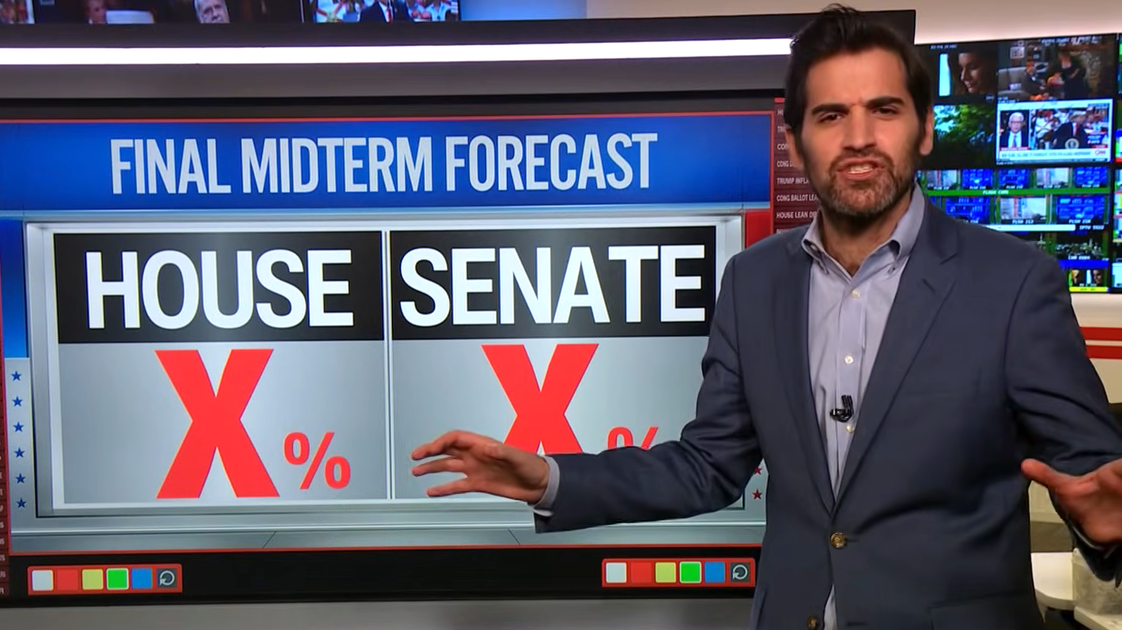
- Markets are simultaneously tracking Apple earnings, midterm election dynamics, and chip sector momentum
- The week ahead will likely hinge on how geopolitical developments translate into actual supply changes
Conclusion
As the week unfolds, the intersection of diplomacy, energy policy, and market sentiment will determine whether today's dip proves temporary or signals a longer shift. Investors should stay alert to both diplomatic updates and upcoming earnings that could redefine sector momentum.






Discussion
Join the conversation
Thoughtful reactions, questions, and follow-up ideas help shape the next story.