Introduction
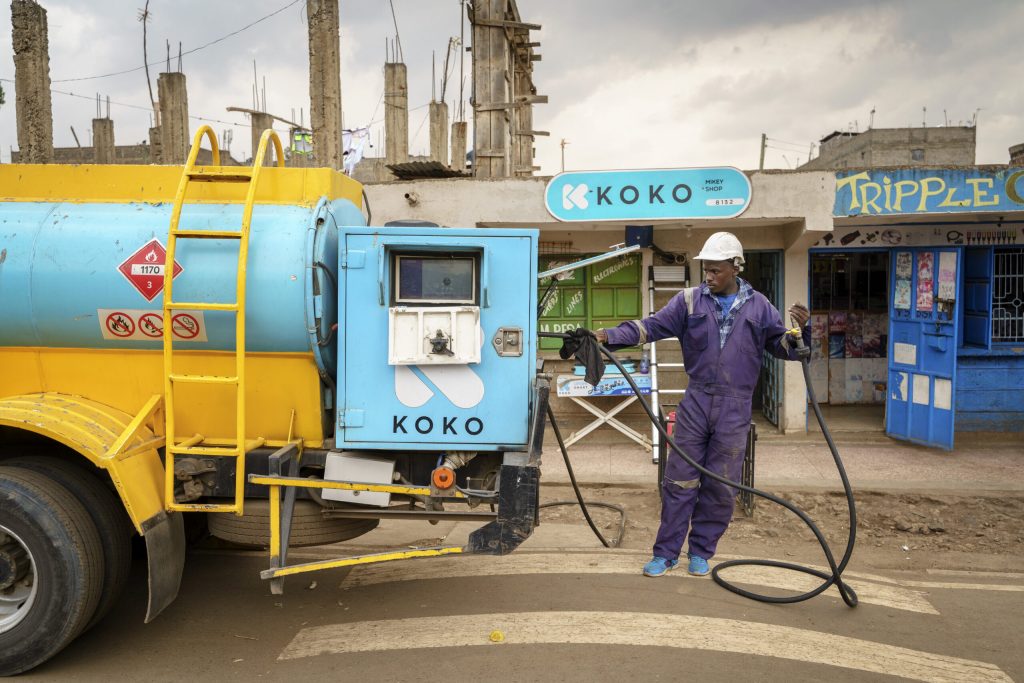
Koko Networks, the clean-cooking company that provided subsidised bioethanol fuel to over one million Kenyan households, faces a collapse of its carbon-credit model as creditors finance a UK wind-down with no buyer in sight.
What Happened
The Kenyan government declined to issue the authorisation letters required to sell carbon credits into international compliance markets, cutting off a key revenue stream. This forced the Kenyan operating company into administration in February, followed by the UK subsidiary, Koko Networks (UK) Limited, on February 19. PwC was appointed administrator to oversee the sale of assets, including the carbon credits, which remain the UK arm's primary asset. The sale process, which began in July, initially sought buyers for the wider business, including technology, manufacturing operations and fuel distribution platform, in deals worth more than $15 million. Despite holding talks with three potential purchasers and five brokers, the administrators concluded that current offers would not generate a meaningful return to the estate.
Why This Matters
The failure to sell the credits at a fair price means FirstRand Bank, owed $60 million, and other unsecured creditors totaling about £126 million ($167 million) are unlikely to recover their investments. Creditors are currently funding the closure process, injecting roughly $659,000 into the UK operation, while the company holds only about £280,000 ($379,000) in cash. Administration costs are projected near £880,000 ($1.19 million), excluding PwC's own fees. Koko's largest receivable, a £1.1 million debt from its Rwandan subsidiary, is expected to be written off due to that company's insolvency. FirstRand Bank's collateral does not cover the company's main assets, so recovery for the bank and other unsecured creditors appears improbable.
Key Takeaways
- The carbon credits, generated from Koko's clean-cooking fuel distribution, are central to the UK entity's value but have attracted no viable offers.
- Administration costs are projected near £880,000 ($1.19 million), excluding PwC's own fees.
- Koko's largest receivable, a £1.1 million debt from its Rwandan subsidiary, is expected to be written off due to that company's insolvency.
- FirstRand Bank's collateral does not cover the company's main assets, so recovery for the bank and other unsecured creditors appears improbable.
- PwC continues marketing the credits, but administrators state current offers would not generate a meaningful return to the estate.
Conclusion
Koko Networks' struggle highlights the risks facing clean-energy startups that depend on carbon-credit revenue when regulatory approvals fail. For creditors, the outlook is bleak, with minimal expected recovery and the wind-down already funded by those same creditors.


Discussion
Join the conversation
Thoughtful reactions, questions, and follow-up ideas help shape the next story.