Introduction
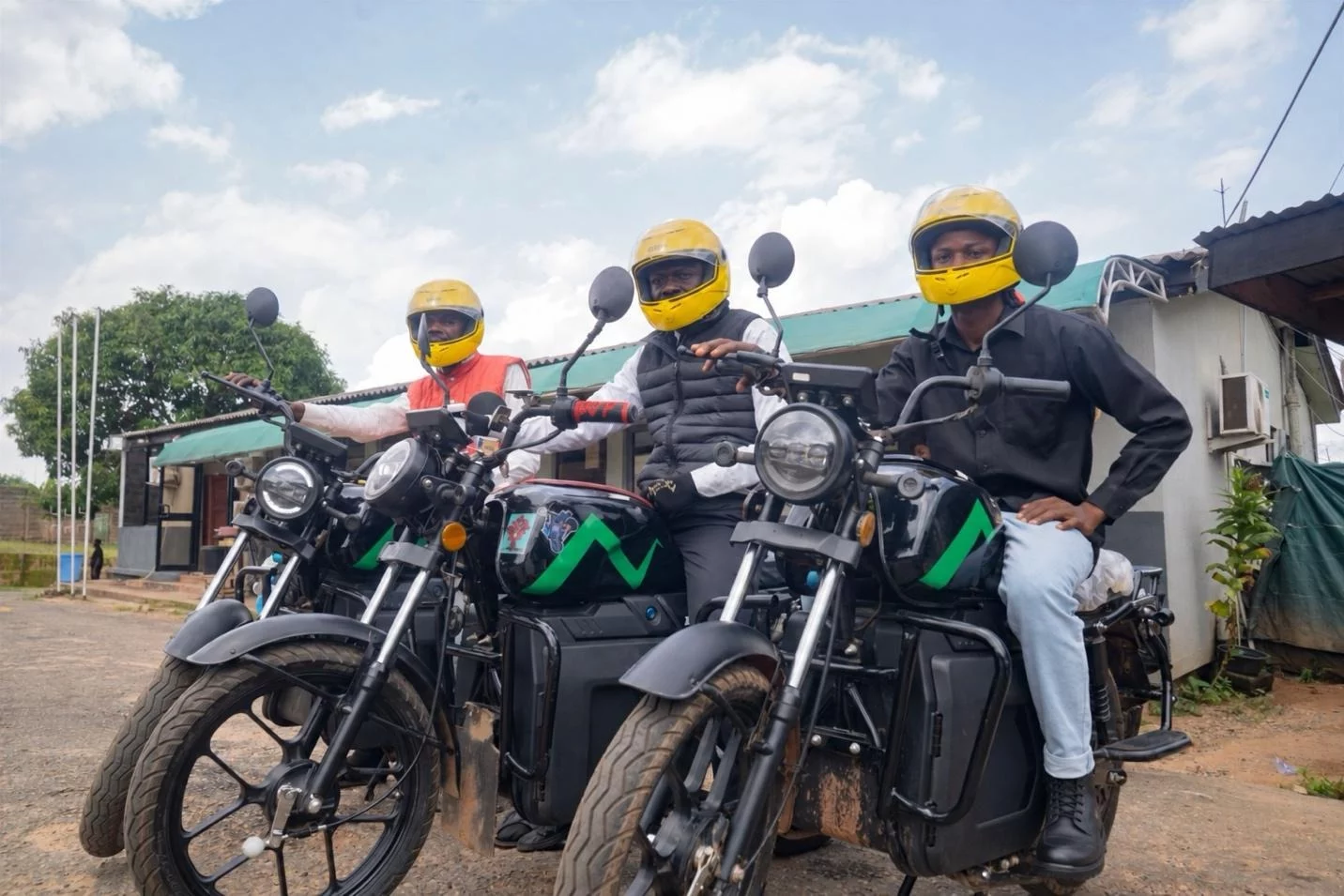
MAX has crossed a major milestone with over 6,000 electric vehicles on roads across West Africa. But the real story isn't just the fleet size—it's the comprehensive infrastructure built to keep those vehicles productive, from battery swapping stations to solar-powered energy systems.
What Happened
The Nigerian electric mobility company MAX has deployed more than 6,000 electric vehicles across cities including Lagos, Ibadan, Sango Ota, Sagamu, and Abeokuta, as well as Accra. The network has facilitated over 350,000 battery swaps and installed more than 1MWp of solar capacity to support daily operations. A network of minigrid communities in Ogun, Niger, and Kano states further extends coverage.
- Over 6,000 electric vehicles deployed across West Africa
- More than 350,000 battery swaps facilitated
- Over 1MWp of installed solar capacity
- EV network spans key cities and minigrid communities in three Nigerian states
Why This Matters
For commercial riders, downtime directly translates to lost income. MAX's battery-swapping model allows Champions to exchange depleted batteries for charged ones in seconds, keeping vehicles operational throughout the day. Complementing this, the company's 1MWp solar installation generates over 200,000 kWh of energy, reducing dependence on unreliable grid power. The model also expands economic opportunity, with more than 60,000 Champions—including women—using electric vehicles as income-generating assets.
Key Takeaways
MAX's success shows that sustainable EV adoption depends on integrated infrastructure, not just vehicle numbers. Battery swapping directly tackles recharge downtime. Solar capacity adds energy resilience. A growing rider base demonstrates how electric mobility can drive inclusive economic access across the region.
Conclusion
MAX's vision of Powering Africa's Forward Movement positions electric vehicles as part of a larger, people-centered system. By combining vehicle deployment with battery swapping, solar energy, and rider-focused financing, the company is establishing a scalable blueprint for electric mobility that prioritizes productivity, reliability, and inclusive economic growth.


Discussion
Join the conversation
Thoughtful reactions, questions, and follow-up ideas help shape the next story.