Introduction
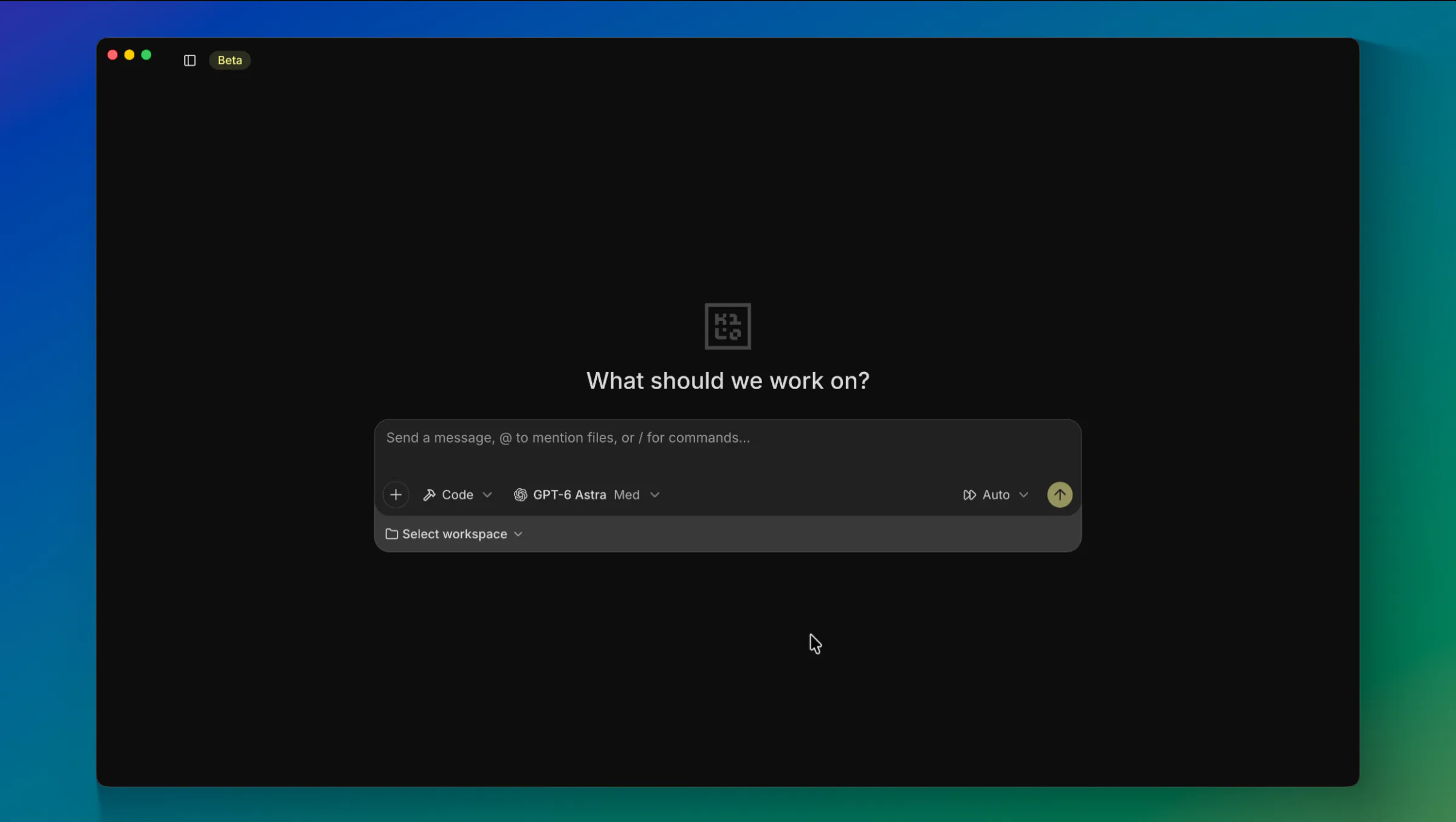
Kilo Desktop emerges as Anaconda's latest step toward unifying AI development. The platform brings together model access, environment management and workflow orchestration under one interface, targeting developers who need more than just code completion. With this launch, Anaconda positions the tool as the central hub for AI-native builders moving from prototype to production.
What Happened
The release stems from Anaconda's acquisitions of Kilo Code, Enkrypt AI and Outerbounds, each contributing pieces to a fragmented AI development landscape. Teams reported that agents outgrew isolated tools, requiring separate logins, permission sets and context switches. Kilo Desktop consolidates these demands, offering a single surface where model selection, environment setup and agent coordination happen without leaving the app. The platform also introduces a governance layer that lets administrators enforce model access, geography restrictions and agent capabilities across the organization.
Why This Matters
AI development has shifted from isolated coding assistance to multi-agent workflows that manage notebooks, environments and deployment pipelines. Kilo Desktop addresses this gap by integrating conda environment creation from a catalog of 19,000+ vetted packages, direct notebook editing with live cursor tracking and workspace groups that span multiple repositories. The inclusion of parallel sub-agents and an auto-efficient model router means teams can scale output without proportional cost increases. Security features, including policy-enforced model and provider limits, respond to findings that 73% of agent tools examined contained vulnerabilities.
Key Takeaways
- Access to over 500 models through a single interface, with auto-routing to the most cost-effective option per task.
- Native notebook editing where agents modify cells in real time, within managed conda environments.
- Workspace groups that let agents read from one repository and write to another, keeping related projects and dependencies linked.
- Built-in governance that lets teams define which models, providers and MCP servers agents can use, with enforcement at the tool level.
- Integration with the broader Anaconda Platform, enabling seamless transition from desktop experiments to production containers and workflows.
Conclusion
Kilo Desktop is available for download now, with a live launch event scheduled for October 15 at Anaconda Scale. The platform represents a shift toward unified, governed and scalable AI development environments. Developers can download the app today and start directing agents that write, analyze and test within a single, secure interface.



Discussion
Join the conversation
Thoughtful reactions, questions, and follow-up ideas help shape the next story.