
Introduction
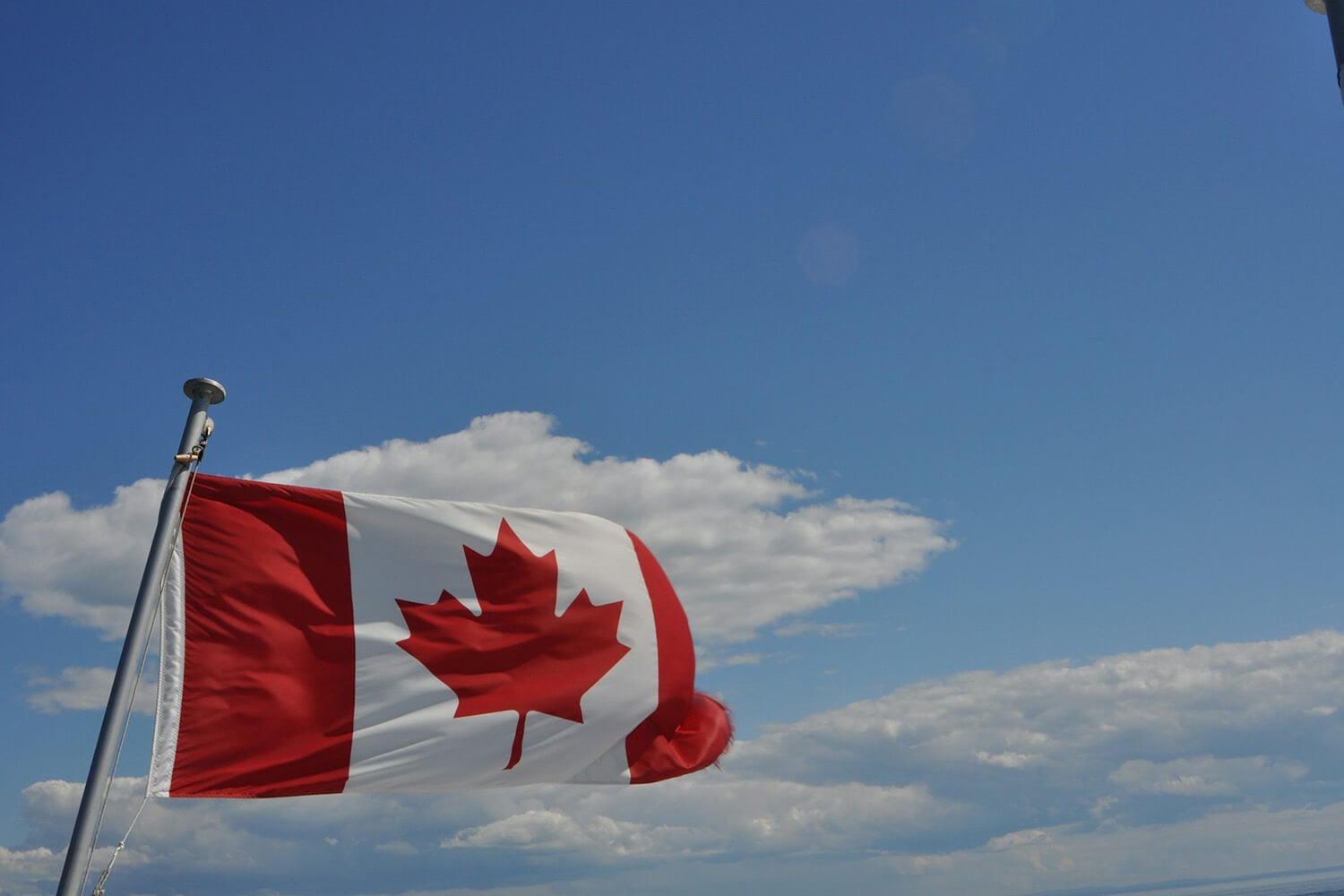
As trade tensions between the United States and Canada escalate, Michigan voters are feeling the pinch. A new series of focus groups reveals that key swing voters are bracing for higher costs on everyday items, from household staples to fuel, reflecting broader anxiety ahead of the 2026 midterms.
What Happened
NPR hosted two online focus groups with 13 Michigan residents who supported Joe Biden in 2020 and switched to Donald Trump in 2024. Eleven of the 13 participants argued the Canada trade war would harm the state, and none identified a benefit. The discussions highlighted how Trump's tariff policies are already raising costs for common products. Voters reported sticker shock on items ranging from Canadian-made household goods to alcohol and lumber, with several noting they are adjusting their spending habits as a result.
Why This Matters
With the 2026 midterm elections underway, these voter perspectives carry weight in closely watched Senate and House races. Rich Thau of the messaging firm Engagious emphasized that Michigan's border with Canada makes the financial impact feel immediate and personal. Voters worry that sustained tariff pressure will deepen the affordability crisis already shaping this election cycle, potentially influencing turnout and candidate support in key districts.
Key Takeaways
- Eleven of 13 swing voters viewed the Canada trade war negatively, with no participants citing a positive outcome.
- Nine voters said tariffs would increase their personal spending on everyday goods like shampoo and alcohol.
- Several participants noted reduced traffic at Michigan's international bridges, including the newly opened Gordie Howe Bridge.
- Many voters expressed disappointment that 2024 promises of lower prices have not materialized, feeling their economic situation has worsened.
- Eight of 13 participants reported feeling more financially anxious now than before the current administration took office.
Conclusion
The focus group data illustrates how quickly trade policy translates into pocketbook concerns for ordinary voters. As the midterm campaign season progresses, Michigan's border economy and voter sentiment toward tariff policies will likely remain central themes. Analysts should watch whether these economic anxieties actually reshape electoral dynamics in the coming months.
Discussion
Join the conversation
Thoughtful reactions, questions, and follow-up ideas help shape the next story.