Introduction
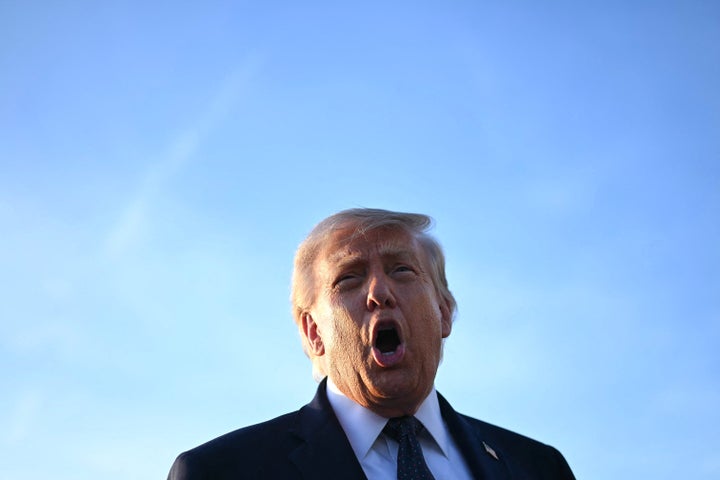
President Donald Trump has reignited debate over international trade with a sweeping threat to cut economic ties with nations running a U.S. trade deficit. The proposal, if implemented, would reshape global commerce and trigger significant economic consequences at home.
What Happened
Trump first raised the idea on his social media platform in early September, claiming that ending trade with deficit-running nations would generate massive federal revenue. He reiterated the threat at airports and campaign events, suggesting it would help balance the budget. The proposal quickly drew sharp criticism from across the economic spectrum.
Why This Matters
Experts argue the plan reflects a fundamental misunderstanding of how international trade functions. Cutting off trade would not automatically fill government coffers; instead, it would raise costs for American households, disrupt supply chains, and damage export-dependent industries. The 95 countries and territories affected represent a vast portion of U.S. global commerce.
Key Takeaways
- Ending trade with deficit-running nations would not reduce the federal deficit and could worsen it.
- Economists warn the policy would trigger a recession and hurt U.S. manufacturing and agriculture.
- The affected countries account for roughly 80% of total U.S. trade, including $3 trillion in imports and $1.5 trillion in exports.
- Trade is not a zero-sum game; reduced imports do not equate to direct government savings.
- Analysts say the proposal highlights the gap between political rhetoric and economic reality.
Conclusion
As the debate unfolds, the consensus among economists is clear: severing trade ties would inflict more damage than benefit. The plan would likely raise prices, slow growth, and leave the nation in a weaker fiscal position.


Discussion
Join the conversation
Thoughtful reactions, questions, and follow-up ideas help shape the next story.