Introduction
Prime Video's take on Stephen King's Carrie has divided horror fans for one major reason: its central character survives. Showrunner Mike Flanagan recently explained the thinking behind that departure, while confirming that work on a second season is moving forward with production targeted for next year.
What Happened
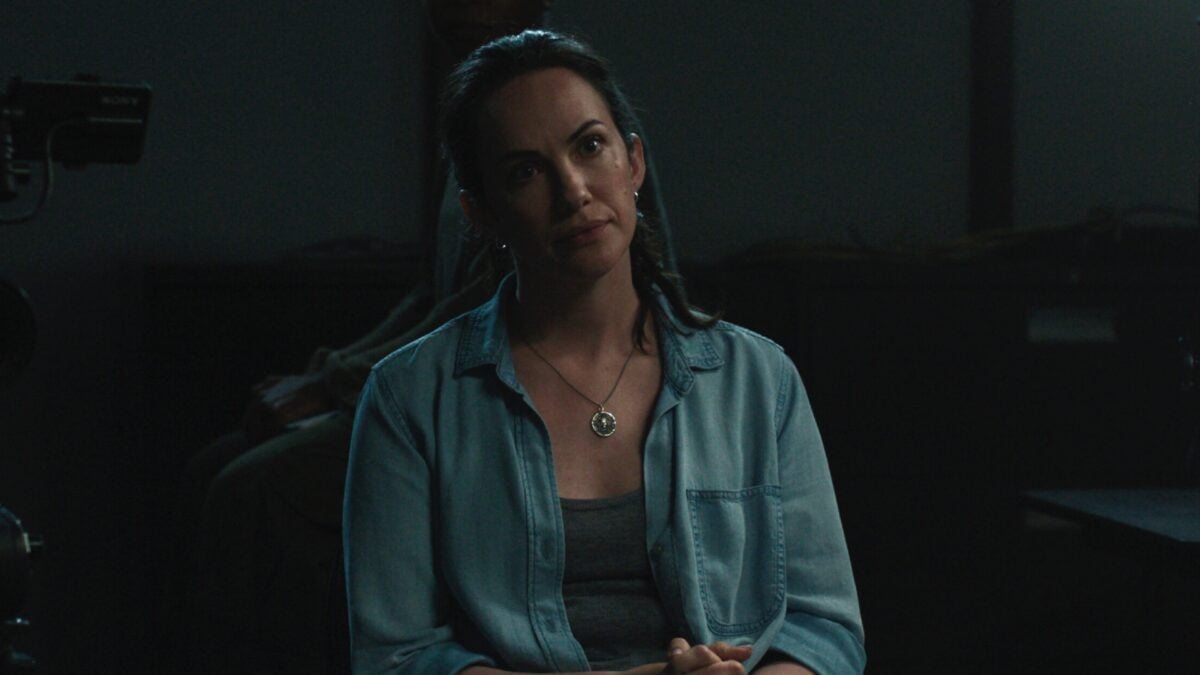
Flanagan said keeping Carrie White alive was not an afterthought. Even when the project was envisioned as a limited series, he planned for the character to make it through prom night and step into an unknown future. In this version, played by Summer H. Howell, Carrie escapes the violence rather than causing it. Much of the destruction is instead linked to Emaline, portrayed by Thalia Dudek, a mysterious figure who astral-projects into Carrie's life, encourages her telekinetic abilities, and ultimately takes control during the prom. Adelaide, played by Kate Siegel, handles Margaret White. The finale leaves Carrie fleeing town, setting up a second chapter Flanagan hopes to shoot soon.
Why This Matters
Speaking with The Hollywood Reporter, Flanagan said the traditional ending—where Carrie unleashes revenge on her classmates, kills her mother, and then dies—did not fit the story they wanted to tell. He described this Carrie as earnest, kind, and curious, adding that it broke his heart to imagine her not surviving. The revenge tragedy, he noted, has already been told beautifully and preserved in amber. For a story about cruelty, school violence, and the struggle between empathy and cruelty, he felt the message of killing your tormentors and then dying was the wrong one to send into the world.
Key Takeaways
- Mike Flanagan confirms Carrie season two is in active development, with production hoped for next year.
- Carrie White survives the prom massacre in Prime Video's version, departing from Stephen King's novel and most prior adaptations.
- Emaline, played by Thalia Dudek, is responsible for much of the prom violence, while Adelaide, played by Kate Siegel, deals with Margaret White.
- Flanagan said killing Carrie or reducing her to a killer would have undermined the story's emotional core.
- The creative team, including Stephen King, wanted to avoid the message that revenge ends in death.
Conclusion
By letting Carrie walk away, Flanagan is reframing a familiar horror story as a survival tale. With season two on the horizon, viewers may soon learn how Carrie learns to control her abilities and what role Adelaide's group of women plays in her future. Whether the story connects to other Stephen King adaptations remains uncertain, but the door is open for a very different kind of Carrie narrative.
Discussion
Join the conversation
Thoughtful reactions, questions, and follow-up ideas help shape the next story.