Introduction
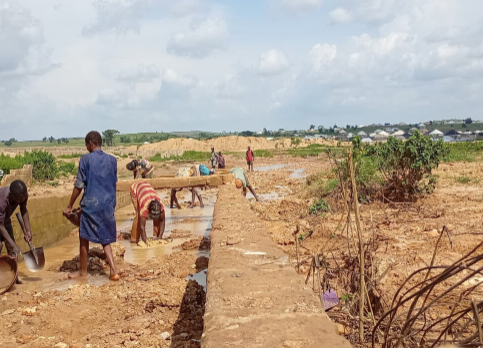
Miners have returned to a site in Minna, Niger State, even after 37 of their colleagues died while in NSCDC custody, insisting they have no other means to support their families. The return underscores the economic desperation driving informal mining despite deadly risks.
What Happened
The Nigeria Security and Civil Defence Corps conducted raids at the M.I. Wushishi mining site in September, arresting scores of suspected illegal miners. In the days following the operation, 37 detainees were found dead, with the NSCDC attributing the deaths to a suspected disease outbreak. Miners described being arrested, detained, and in some cases assaulted, with some alleging demands for payment for release.
Salisu DanMallam, a miner with over 15 years at the site, said he stayed away for two days after the raids but returned because abandoning the site means losing his only source of income. He described the miners as a close‑knit family, noting they avoid deep digging to prevent landslides. Buhari Rabiu, 26, claimed he was beaten during a prior raid, required hospital treatment, and was asked to pay N120,000 for his release after a friend was shot at close range by personnel.
Why This Matters
The miners' return highlights how poverty and lack of alternative livelihoods force communities into dangerous, unregulated mining activities. With no secure jobs available, many view artisanal mining as their only option, even as authorities crack down. The circumstances surrounding the 37 deaths have raised concerns about detention conditions, NSCDC conduct, and the human cost of enforcing mining bans in regions where legal employment is scarce.
CSOs and rights groups have warned that thousands more children and adults remain at risk in similar mining zones across Niger State, urging the government to address root economic drivers rather than relying solely on enforcement.
Key Takeaways
- Over 37 miners died in NSCDC custody following a September raid at the Wushishi site.
- Miners returned to the site shortly after, citing lack of alternative income sources.
- Detainees reported allegations of assault, demands for payment, and poor detention conditions.
- The NSCDC attributes the deaths to a suspected disease outbreak, a claim disputed by families and advocates.
- Economic pressure, not lack of awareness, remains the primary driver of continued informal mining.
- Advocates call for structural interventions to protect miners and provide legal employment alternatives.
Conclusion
Miners' decision to return to a site where colleagues died in custody reveals the stark reality that for many, the immediate need for income outweighs the known risks of informal mining. Without comprehensive policy responses that address poverty, job scarcity, and safety in artisanal mining communities, similar tragedies are likely to repeat. Stakeholders urge authorities to move beyond raids toward sustainable solutions that protect lives and livelihoods alike.



Discussion
Join the conversation
Thoughtful reactions, questions, and follow-up ideas help shape the next story.