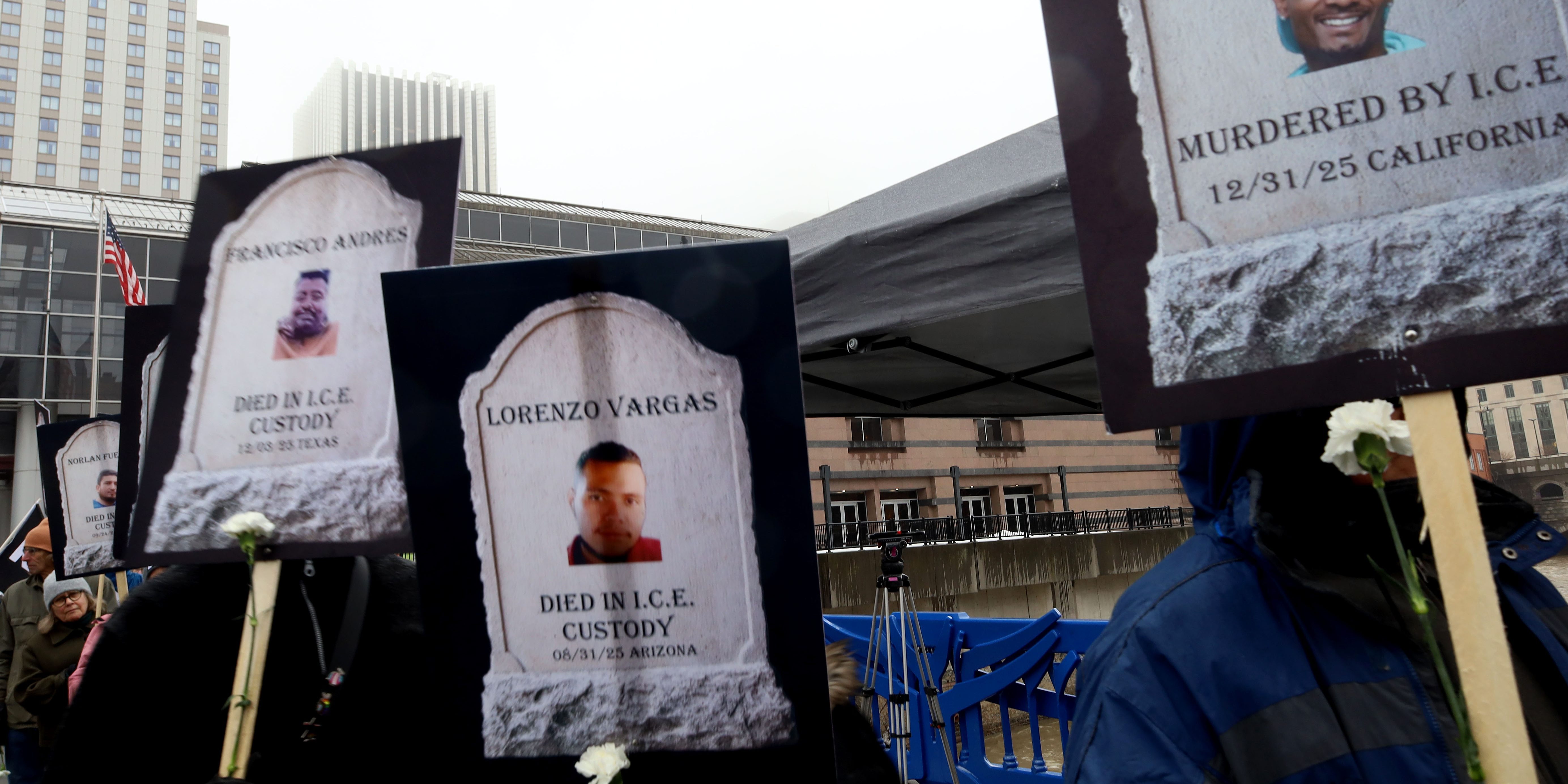
Introduction
Internal ICE mortality reviews meant to evaluate medical care in immigration detention were taken down shortly after appearing online, prompting questions about transparency and accountability. The documents, which detailed systemic failures in the agency’s handling of detainee deaths, were briefly posted on ICE’s public records library before being removed—just days after a lawyer monitoring a FOIA lawsuit flagged their presence.
What Happened
Throughout 2025, ICE conducted mortality reviews following a series of in-custody deaths. Three-quarters of the agency’s own reports flagged substandard or inappropriate care. The reviews uncovered a pattern of medication errors, skipped physical exams, ignored lab orders, and delayed treatments across multiple detention centers. Specific cases highlighted in the documents include a 32-year-old Mexican national who received inadequate treatment for pneumonia despite diabetes signs, a 49-year-old Canadian who died after his seizure medication was confiscated, and a Haitian woman who collapsed and received no CPR. Eight detailed reviews, published Sept. 25, were taken offline within four days.
Why This Matters
The findings reveal a deeply rooted problem in the immigration detention system. With the detained population swelling from about 40,000 in January 2025 to nearly 66,000 by December, and oversight mechanisms dismantled, the risk of preventable deaths has grown. Experts call the pattern “rampant systemic medical abuse,” noting that the review removals undermine public trust and hinder accountability at a time when immigration policy is under intense scrutiny.
Key Takeaways
- Three-quarters of ICE’s 2025 death reviews identified substandard care.
- At least 56 people died in ICE custody under the second Trump administration.
- Specific failures included medication mismanagement, skipped exams, ignored lab results, and lack of emergency response.
- Eight individual case reviews exposed gaps in care for detainees with chronic conditions, mental health needs, and emergency symptoms.
- The reviews were posted online, then removed after a FOIA lawyer’s discovery, raising transparency concerns.
- Detention population surged while DHS cut oversight and transparency tools.
- Advocates say the pattern reflects a systemic failure, not isolated incidents.
Conclusion
The brief availability and subsequent removal of ICE’s mortality reviews highlight a critical gap in detention oversight. Without transparent, independent assessment, preventable deaths are likely to continue. Advocates and experts urge policy reform, restored oversight, and immediate action to ensure detainees receive appropriate medical care.



Discussion
Join the conversation
Thoughtful reactions, questions, and follow-up ideas help shape the next story.