Introduction
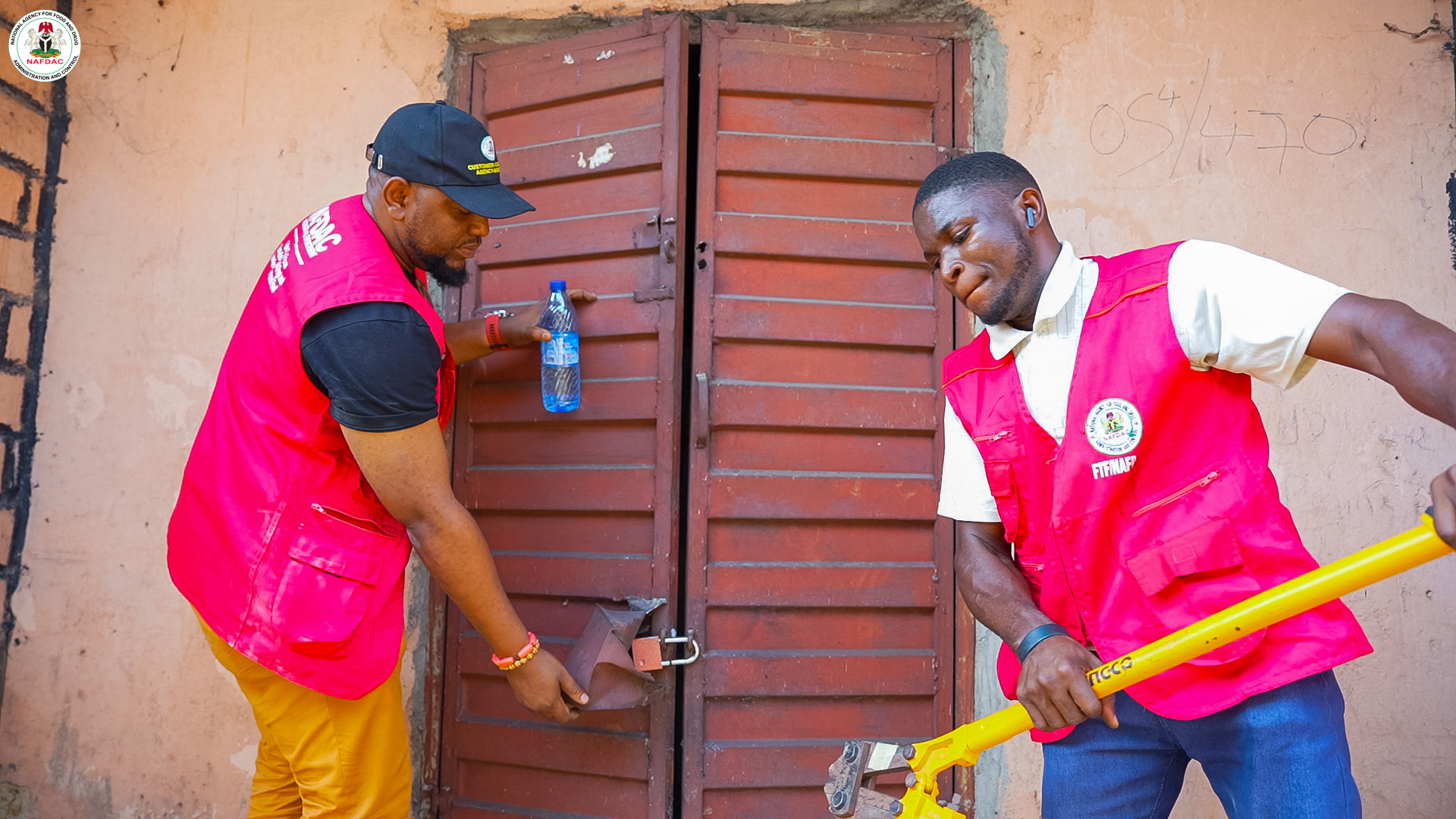
Nigeria’s National Agency for Food and Drug Administration and Control has ordered the closure of Zuba International Market in Abuja. The action follows an enforcement sweep that uncovered counterfeit and unsafe regulated goods valued at more than 300 million naira. The agency said the operation was carried out with support from the Nigeria Police Force and the Department of State Services, and forms part of a broader push to keep dangerous products off shelves before the holiday shopping season.
What Happened
According to a statement released on Friday, NAFDAC officials inspected more than 160 shops at the market in the Federal Capital Territory. Officers seized counterfeit and unwholesome products worth over N300 million. Pharm. Babatunji Omoyeni, who leads the agency’s Investigation and Enforcement Division in the North-Central zone, said the move followed a directive from the Director-General to crack down on counterfeiters and their distributors. The agency specifically cited concerns that traders might exploit increased yuletide demand to sell fake or harmful items. NAFDAC also asked members of the public to report suspicious manufacturing, storage, distribution, or sales of regulated products.
Why This Matters
The shutdown is not an isolated event. It comes amid a series of NAFDAC operations across Nigeria aimed at curbing the flow of substandard medicines, cosmetics, and food items. Earlier this year, the agency confiscated fake malaria drugs and cosmetics worth roughly N3 billion at Lagos’s Trade Fair Market, and it destroyed products valued at about N100 billion at a dumpsite in Ogun State. Between January and August 2026, NAFDAC reported more than 5,500 enforcement actions, hundreds of raids, and dozens of arrests. The Zuba closure signals that regulators are extending that pressure into major retail markets in the capital.
Key Takeaways
- NAFDAC shut down Zuba International Market in Abuja after seizing counterfeit and unwholesome goods worth over N300 million.
- The operation covered more than 160 shops and involved the Nigeria Police Force and the DSS.
- The agency said the action was intended to stop fake products from reaching consumers during the festive season.
- NAFDAC has previously destroyed counterfeit goods worth billions of naira in Lagos, Ogun State, and other locations.
- The regulator cited weak oversight of patent medicine dealers and open drug markets as ongoing challenges.
Conclusion
For consumers, the Zuba market closure is a reminder to scrutinize the source of medicines, cosmetics, and packaged foods, especially during peak shopping periods. NAFDAC has encouraged the public to share credible tips about suspicious products, while continuing its own enforcement campaign nationwide. Whether the closure leads to lasting changes at Zuba will depend on follow-up inspections and whether traders comply with regulatory standards moving forward.
Discussion
Join the conversation
Thoughtful reactions, questions, and follow-up ideas help shape the next story.